
Pests
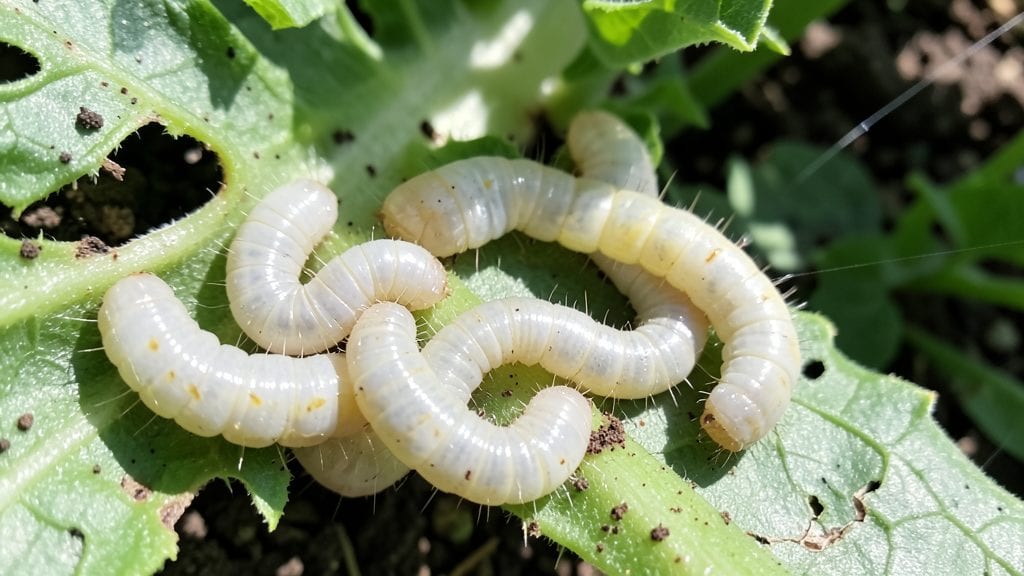
Watermelon seed worms turn your sweet harvest into a chewed-up mess before you even slice them. 🌱 I’ve lost more watermelons to these tiny striped pests than I care to admit, but I’ve also learned how to outsmart them—without reaching for harsh chemicals that ruin your fruit.
The key is acting fast before the damage spreads.
These pests aren’t picky—they’ll munch on cucumbers, squash, and melons too. They hatch from eggs laid by cucumber beetles, and once inside, they’re nearly invisible until you cut open a melon and find tunnels of destruction.
The good news? You can stop them before they ruin your crop with simple, effective methods that protect both your plants and your harvest.
Start with row covers to block adult beetles from laying eggs, then introduce parasitic wasps—nature’s pest control—to keep larvae in check. A neem oil spray disrupts their life cycle, and crop rotation starves them out of future seasons.
The result? Watermelons stay sweet, firm, and free of those nasty little tunnels.
Early intervention is everything—once the worms are inside, there’s no saving that fruit. But with these strategies, you’ll catch them before they get started. Let’s get your melons growing strong and your harvest intact this season.
Root Causes Of Tiny Invaders
Watermelon seed worms—those pesky Diaphania nitidalis larvae—don’t just appear out of nowhere. Their presence is a direct result of environmental, biological, and even human factors that create the perfect conditions for infestation.
Understanding these triggers is key to preventing future outbreaks and protecting your crop. Let’s break down the science behind why these critters target your watermelons.
Seed worms are drawn to watermelons that are ripe, overripe, or physically damaged. Here’s why:
- Sugar Signals: As watermelons ripen, their sugar content increases, releasing volatile organic compounds (VOCs) that moths detect from miles away. These chemical cues act like a dinner bell, luring adult females to lay eggs near the sweetest spots. 🍉🔍
- Soft Entry Points: Bruised, cracked, or punctured fruit provides easy access for larvae to burrow in. Even minor damage from birds, hail, or harvesting tools can turn a healthy melon into a worm buffet.
- Fermentation Smell: Overripe melons begin fermenting, emitting ethanol and other odors that mask the plant’s natural defenses. Seed worms love this fermented scent—it signals decaying organic matter, a prime breeding ground.
Actionable Fix: Harvest watermelons at peak ripeness (check for cream-colored undersides) and remove any damaged fruit immediately from the patch. Store harvested melons in cool, dry conditions to slow sugar breakdown.
The lifecycle of seed worms hinges on adult moths, and their numbers surge under specific conditions:
- Warm Nights: Moths are most active when temperatures hover between 75–85°F (24–29°C) at night. Heat triggers their mating and egg-laying behaviors. If your growing season aligns with these temps, expect a moth invasion. 🌡️
- Lack of Predators: Natural enemies like Trichogramma wasps (parasitic wasps) and birds keep moth populations in check. But if you’ve used broad-spectrum pesticides or lost habitat (e.g., no nearby wildflowers for birds), moths thrive unchecked.
- Monoculture Farming: Planting only watermelons (or other cucurbits like cucumbers/squash) creates a moth buffet. Without crop diversity, adult females have no reason to leave your patch.
Actionable Fix:
- Install UV or blacklight traps near your garden to monitor and reduce moth numbers.
- Encourage biodiversity by planting marigolds, dill, or basil nearby—their scents repel moths and attract beneficial insects.
- Avoid late-season harvests if moths are active; prioritize picking ripe fruit before egg-laying peaks.
Seed worms need moisture to survive. Their eggs and larvae desiccate quickly in dry conditions, but excess humidity creates a worm paradise:
- High Humidity (>60%): Eggs laid on watermelon rinds or leaves hatch faster in humid air. The larvae then migrate to fruit, where the moist flesh provides ideal growing conditions. 🌧️
- Overwatered Soil: Soggy soil weakens watermelon vines, making them more susceptible to cracks and bruises—inviting larvae. It also attracts slugs/snails, which also damage fruit and create entry points for worms.
- Morning Dew: Dew droplets on leaves or fruit can drown eggs, but they also create a film that traps heat, accelerating larval development. Think of it as a natural incubator.
Actionable Fix:
- Water watermelons deeply but infrequently—aim for 1–1.5 inches of water per week—and avoid overhead sprinkling.
- Use drip irrigation or soaker hoses to keep foliage dry.
- Space plants 3–4 feet apart to improve airflow, reducing humidity around fruit.
Seed worms and their moth counterparts are soil-borne in their early stages. Neglecting soil health or skipping crop rotation sets the stage for reinfestation:
- Larval Overwintering: Some larvae burrow into the soil and survive winter, emerging the next season to attack new crops. If you’ve grown watermelons (or cucurbits) in the same spot yearly, the soil is a larval reservoir. ❄️🐛
- Nutrient Imbalance: Over-fertilizing with nitrogen (especially synthetic types) produces lush, tender vines that attract more moths. Meanwhile, phosphorus-deficient soil weakens plant defenses, making fruit easier targets.
- Weed Chokepoints: Weeds like morning glory or cucurbitacin-producing vines act as alternative hosts for moths. If your garden is overrun, they’ll lay eggs on weeds before your watermelons.
Actionable Fix:
- Rotate crops annually—avoid planting watermelons, cucumbers, or squash in the same bed for 3+ years.
- Test soil pH and amend with compost or aged manure to boost organic matter and beneficial microbes.
- Mulch with straw or wood chips to suppress weeds and improve soil structure.
Natural Ways to Remove Seed Worms
Now that you understand why those pesky seed worms invade your watermelons, it’s time to act! The good news? You can tackle them without harming your fruit or the environment. Below are practical, step-by-step solutions tailored to the root causes—whether it’s infested soil, poor hygiene, or late-season neglect.
If your garden soil is already hosting worms or their eggs, prevent further damage with these organic fixes:
🔥 Rotate Your Planting Zones
Seed worms thrive in soil where cucurbits (watermelons, cucumbers, squash) have grown before. Break the cycle by:
- Moving watermelon patches to a new spot every 2–3 years.
- Avoid planting melons in the same family (like pumpkins) consecutively.
- Pro tip: 💡 Keep a simple garden map to track rotations—it saves headaches later!
🍳 Boost Beneficial Microbes & Fungi
Healthy soil crowds out pests naturally. Feed your soil with:
- Compost tea (brewed from worm castings or aged compost) to introduce nematodes (natural worm predators).
- Mycorrhizal fungi (available as powders) to strengthen plant roots and deter larvae.
- Neem cake (ground neem seeds) mixed into soil—it’s a double win: repels worms and enriches soil.
👨🍳 Solarize the Soil (For Severe Cases)
If your patch is heavily infested, solarization can kill larvae and eggs without chemicals: 1. Wait until soil temps hit 100°F+ (late summer/early fall).
- Cover beds with clear plastic (1–2 mil thickness) for 4–6 weeks, securing edges with soil.
- Sun + heat = death for worms and weeds. Remove plastic, till, and replant.
A cluttered garden = worm buffet. Eliminate hiding spots with these easy habits:
🥘 Remove & Destroy Infested Fruit Immediately
- Do NOT compost watermelons with worms—bury them deeply (12+ inches) or bag and trash them.
- Check vines daily during peak season (July–August). Squash larvae you find on the spot (wear gloves!).
- Pro tip: ✨ Use a fine mesh bag to collect fallen fruit—worms can’t escape, and you avoid spreading eggs.
🔪 Prune & Sanitize Tools
- Clean pruners/scoops with 70% rubbing alcohol or a 10% bleach solution between uses.
- Remove old vines at season’s end—burn or bag them (do not leave them in compost piles).
- Pro tip: 🌡️ Boil wooden stakes or trellises used in past seasons to kill lingering eggs.
Stop worms before they even reach your fruit:
🍓 Row Covers & Collars for Seedlings
- Floating row covers (lightweight fabric) over young plants block adult beetles from laying eggs.
- DIY collars: Wrap cardboard or aluminum foil around seedling stems (6 inches tall) to deter egg-laying beetles.
🥗 Mulch Strategically (But Smartly!)
- Straw or grass clippings (not wood chips) smother larvae in the soil.
- Avoid thick mulch near vines—it can trap moisture and attract worms instead of repelling them.
Let Mother Nature’s pest control handle the job:
🐞 Attract Ground Beetles & Parasitic Wasps
- Plant companion flowers like marigolds, dill, or alyssum to lure beneficial insects.
- Leave leaf litter in garden edges—ground beetles (worm hunters) thrive there.
- Pro tip: 🎯 Reduce synthetic pesticides—they kill predators and pests!
🦋 Install Bat or Bird Houses
- Bats eat hundreds of beetles nightly—hang a bat house near your garden.
- Birds like swallows or sparrows snack on adult beetles. A small water source will invite them.
Sometimes, prevention is as simple as good timing:
⏰ Plant at the Right Time
- Start seeds indoors 3–4 weeks before the last frost, then transplant after soil warms (70°F+).
- Avoid late plantings—worms peak in August/September, so harvest before then if possible.
🌱 Choose Resistant Varieties
Some watermelon types tolerate worms better:
- ‘Sugar Baby’ (smaller, fewer seeds = less hiding space).
- ‘Crimson Sweet’ (thicker rinds deter larvae slightly).
- Heirloom varieties often have tighter vines, making them less appealing to beetles.
Final Reminder: 💡 Consistency is key—combine 2–3 methods (e.g., solarization + row covers + predator plants) for the best results. With these steps, you’ll keep your watermelons worm-free—and enjoy sweet, blemish-free slices all season!
Frequently asked questions
What do watermelon seed worms look like?
These tiny pests are 1/4-inch to 1/2-inch long, pale green or white with a dark brown head. They resemble tiny caterpillars and are often found inside watermelons, creating tunnels. Look for their striped appearance or small holes in the rind as a telltale sign.
How do I know if my watermelon has seed worms?
Check for small holes in the rind or dark tunnels inside the fruit when sliced. You may also see frass (worm droppings) near entry points. A sure sign? Squishy, hollow spots where the worms have eaten the flesh.
Can I still eat watermelons with seed worms?
Yes, but you’ll need to remove the infested sections. Cut out the tunnels and surrounding flesh (1 inch beyond to ensure all larvae are gone). The rest of the melon is safe to eat, though the texture may be slightly compromised.
What’s the best way to prevent seed worms naturally?
Use a combination of row covers to block adult beetles, neem oil sprays every 7-10 days, and crop rotation. Plant marigolds or basil nearby to repel pests and attract beneficial insects like parasitic wasps.
Will seed worms come back next year if I had them this season?
Yes, they can overwinter in the soil. To break the cycle, solarize your soil in late summer or use beneficial nematodes. Avoid planting cucurbits (watermelons, cucumbers, squash) in the same spot for 3+ years.