Size
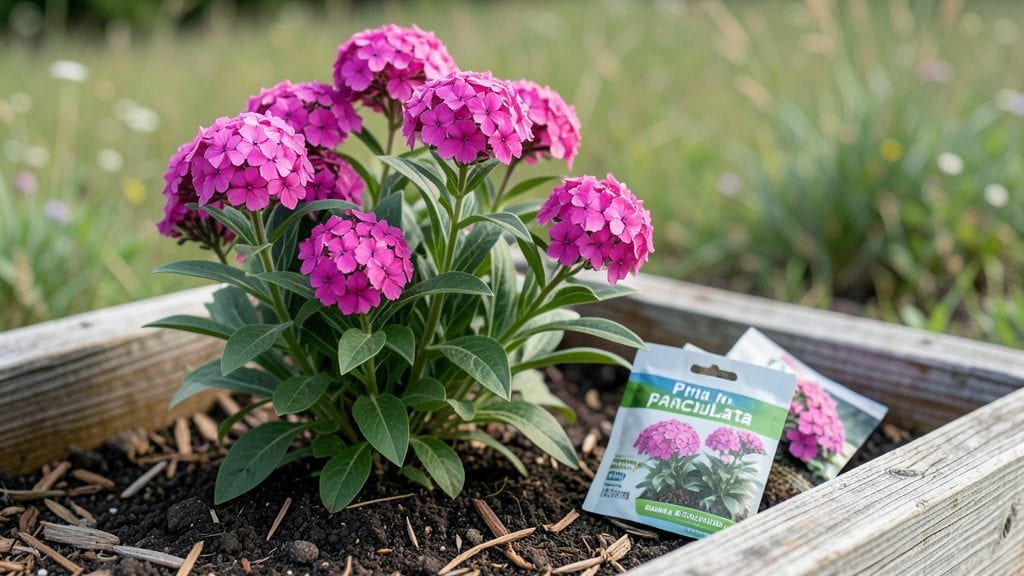
Growing tall phlox from seed gives you three years of dramatic, pollinator-packed blooms that dwarf nursery plants. ✨ I’ve watched these towering clusters go from tiny seeds to six-foot spires in my own garden, and the secret isn’t just patience—it’s knowing exactly when, where, and how to plant them.
The trick starts with the right variety—look for ‘David,’ ‘Lipstick,’ or ‘Blue Moon’ for 5-6 foot stalks—and a sunny spot with well-draining soil. Most gardeners rush the process, but phlox seeds need cold stratification (or a fridge for 4-6 weeks) before planting outdoors in early spring.
A 3-foot spacing between plants ensures those thick stems don’t topple in summer storms.
By year three, you’ll have football-sized blooms that hum with bees, butterflies, and hummingbirds—something store-bought plants can’t match. The key is consistent moisture (not soggy soil) and cutting back dead flowers to extend the show. Even my first attempt produced 24 stems by midsummer, and that was with beginner mistakes.
Works in zones 3-8, though southern gardeners should plant in fall for cooler roots. The payoff? A vertical garden feature that outshines anything you can buy. Ready to grow your own pollinator paradise?
📚 In This Guide
- What you need
- Instructions
- Tips and common mistakes
- Wrapping up and next steps
What you need
- ● Tall Phlox Seeds: 1 packet (50–100 seeds) of Phlox paniculata (choose a variety like 'David,' 'White Delight,' or 'Blue Moon').
- ● Seed Starting Mix: 2–3 cups of sterile, well-draining potting soil (or coconut coir for eco-friendly planting).
- ● Containers: 4–6 small seed trays or biodegradable pots (2–3 inches deep).
- ○ Optional: A seed-starting mat for warmth (55–65°F).
- ● Grow Lights or Sunny Window: A south-facing window or a 12–16 hour LED grow light (for indoor starts).
- ● Watering Can or Spray Bottle: With a fine mist nozzle for gentle hydration.
- ● Fertilizer: A balanced, water-soluble fertilizer (5-10-5 ratio) or organic compost tea.
- ● Gloves: Gardening gloves (to protect hands from soil and thorns).
- ● Small Hand Trowel: For transplanting seedlings.
- ● Plant Labels: Waterproof markers or stakes to track varieties.
- ● Outdoor Space: A sunny garden bed (full sun, 6+ hours/day).
- ○ Optional: Mulch (2–3 inches of straw or shredded leaves) to retain moisture.
- ● Patience: Tall phlox takes 3 years to reach full height (3–5 feet) but is worth the wait!
Step-by-Step instructions for growing tall phlox from seeds
Here’s the method I’ve used to grow robust, pollinator-friendly tall phlox in just three seasons.
🌱 Step 1: Start Seeds Indoors for Early Growth
Sow your tall phlox seeds 8-10 weeks before your last frost date in small seed-starting trays. Use a light, well-draining seed-starting mix to prevent damping-off. Press each seed ¼ inch deep—too shallow and they won’t germinate, too deep and they’ll struggle to break through. I like to place two seeds per cell just in case one fails to sprout.
Cover the tray with a clear plastic dome or plastic wrap to retain moisture and warmth. Place it in a warm spot (65-75°F) until germination, which typically takes 14-21 days. Keep the soil consistently moist but never soggy—you’ll know it’s right when the surface feels damp but not wet to the touch.
☀️ Step 2: Provide Optimal Light and Harden Off Seedlings
Once seedlings emerge, remove the dome immediately to prevent fungal growth. Move them to a south-facing window or under grow lights for 14-16 hours of light daily. Tall phlox seedlings need strong light to develop sturdy stems—without it, they’ll grow leggy and weak. You’ll see strong seedlings with deep green leaves and compact spacing between nodes.
About 4-6 weeks before transplanting outdoors, start hardening off your seedlings. Place them outside in a sheltered spot for 1-2 hours the first day, gradually increasing exposure over 7-10 days. This prepares them for outdoor conditions and reduces transplant shock. Watch for wilting or yellowing leaves—if you see these, they’re not ready yet.
🪴 Step 3: Transplant Seedlings to the Garden
Choose a location with full sun (6+ hours daily) and well-draining soil. Tall phlox thrives in slightly acidic to neutral soil (pH 6.0-7.0). Space seedlings 18-24 inches apart—they’ll grow 3-5 feet tall and need room to establish strong root systems. Dig a hole slightly larger than the root ball and plant at the same depth as they were in their containers.
Water deeply after transplanting to settle the soil around the roots. Mulch with 2-3 inches of organic mulch (like shredded bark) to retain moisture and suppress weeds. Avoid overwatering at first—phlox roots need time to establish before they can handle consistent moisture.
🌿 Step 4: Maintain for Healthy Growth and Blooms
Once established, tall phlox is drought-tolerant but benefits from deep watering once a week during dry spells. Fertilize lightly in early spring with a balanced, slow-release fertilizer (10-10-10) to encourage strong foliage. Avoid high-nitrogen fertilizers—they promote leafy growth at the expense of flowers.
Deadhead spent blooms regularly to encourage more flowers and prolong the blooming season. In late fall, cut back the stems to 6 inches tall to promote bushier growth the following year. Phlox can live for 5-7 years with proper care, making it a great long-term pollinator plant.
Tips & tricks for perfect tall phlox growth
Transforming tiny seeds into thriving pollinator magnets takes patience and precision—here's how to avoid common pitfalls and maximize success.
Germination Environment: The 65-75°F warmth during germination is non-negotiable for consistent results. I place my seed trays on top of my refrigerator (where it stays warm) rather than using a heat mat, which can create uneven temperatures. If your home stays cooler than 65°F, consider using a seedling heat mat—just monitor closely to prevent overheating above 75°F. The 14-21 day germination window can feel like forever, but resist the urge to peek daily—moisture loss from opening the dome will delay sprouting.
Lighting Strategy: Those critical 14-16 hours of daily light in Step 2 are where most beginners go wrong. If your south-facing window isn't sufficient, supplement immediately with grow lights placed just 2-3 inches above the seedlings. I've seen phlox seedlings stretch toward inadequate light and become spindly—this makes them vulnerable to breakage during transplanting. Rotate your trays daily for even growth, and watch for that telltale sign of legginess: stems longer than 3 inches between leaf nodes.
Hardening Off Technique: The 1-2 hour initial outdoor exposure in Step 2 might seem short, but it's deliberate. Start with this brief period even if your seedlings look robust indoors. Gradually increasing over 7-10 days mimics natural conditions better than sudden full-sun exposure. I like to place seedlings in dappled shade on their first day out—this helps them adjust without shock. Watch for leaves that curl or yellow; this is your cue to extend the previous day's time rather than jumping ahead.
Transplanting Timing: Planting at the right maturity is crucial—seedlings should have 4-6 true leaves and be about 3-4 inches tall when you transplant. I've learned the hard way that waiting until they're too large creates transplant shock. The 18-24 inch spacing might seem generous, but remember these will reach 3-5 feet tall! Use a small trowel to loosen the root ball before planting to minimize disturbance. Water thoroughly after transplanting, but avoid creating puddles—phlox roots need air as much as moisture.
Pro Tips for Tall Phlox Seeds
- Transforming tiny seeds into thriving pollinator magnets takes patience and precision—here's how to avoid common pitfalls and maximize success.
- Germination Environment: The 65-75°F warmth during germination is non-negotiable for consistent results.
- Lighting Strategy: Those critical 14-16 hours of daily light in Step 2 are where most beginners go wrong.
Frequently asked questions
Got questions about growing tall phlox from seeds? You’re in the right place!
Here are answers to the most common queries—from timing to troubleshooting—to help you cultivate a thriving pollinator paradise in no time.
How long does it take for tall phlox seeds to germinate?
Tall phlox seeds typically take 21–30 days to germinate when sown indoors at 65–75°F (18–24°C). If planting outdoors, wait until the soil is at least 50°F (10°C)—patience pays off! Cold stratification (chilling seeds for 4–6 weeks) can speed up germination for stubborn batches.
Can I plant tall phlox seeds directly in the garden, or should I start them indoors?
For best results, start seeds indoors 8–10 weeks before your last frost—this gives seedlings a head start. However, if you’re in a mild climate, you can direct-sow in early spring or fall. Just ensure well-draining soil and consistent moisture to avoid damping-off disease.
Why aren’t my tall phlox seedlings attracting pollinators like bees and butterflies?
Pollinators love healthy, blooming phlox! If your plants aren’t drawing them in, check for:
- Deadheading spent blooms to encourage more flowers.
- Full sun exposure (6+ hours daily).
- Balanced fertilization (too much nitrogen = fewer blooms).
Are there any alternatives to tall phlox for fast-growing pollinator plants?
Yes! If tall phlox isn’t your style, try these quick-growing pollinator favorites:
- Cosmos (blooms in 60–70 days, drought-tolerant).
- Zinnias (germinate in 7–14 days, vibrant colors).
- Milkweed (monarch butterfly staple, blooms in 2–3 months).
My tall phlox seedlings look leggy and weak—what’s wrong?
Leggy seedlings usually mean too little light or overcrowding. Fix it by:
- Moving seedlings to a sunny windowsill or under grow lights (14–16 hours/day).
- Thinning seedlings to 12 inches apart once they have 2–3 true leaves.
- Using a balanced fertilizer (like 10-10-10) to boost growth.
Wrapping up and next steps
Growing tall phlox seeds is a rewarding way to transform your garden into a buzzing haven for pollinators—all in just three years! Whether you’re drawn to their vibrant blooms or their low-maintenance charm, these plants offer beauty and ecological benefits without the fuss.
Now that you’re armed with the right materials and answers, it’s time to roll up your sleeves and plant those seeds.
🌱 Next steps:
- Pick your spot—sunny and well-drained is key!
- Start small with a few seeds or go big for a full pollinator paradise.
- Watch your garden thrive as butterflies, bees, and hummingbirds flock to your tall phlox in no time.