Lawn
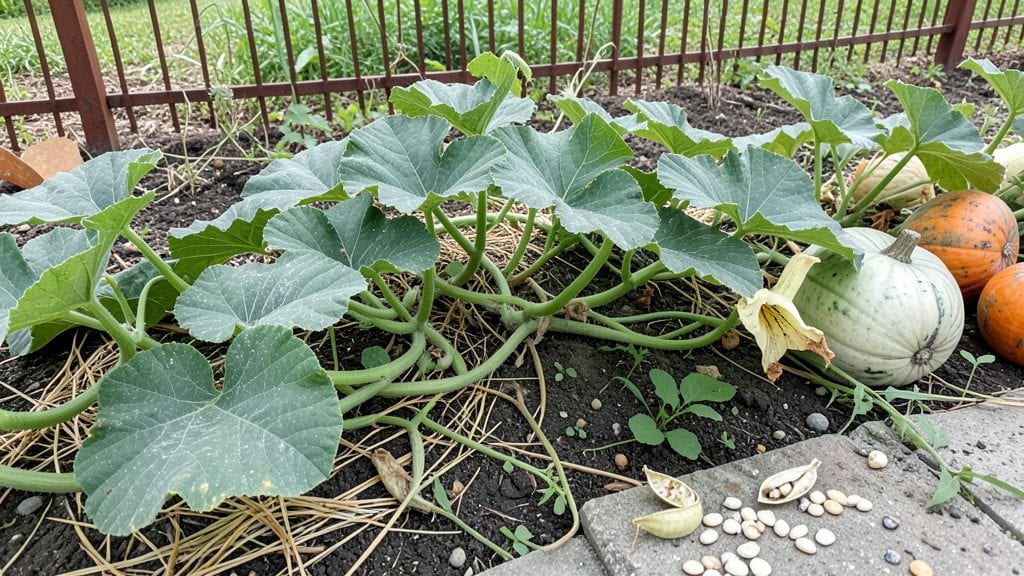
Pumpkin seed color isn't just about looks—it's a secret code for what your plants will become. 🌱 I've saved seeds from white, gray, and black varieties, and each one tells a different story about flavor, growth speed, and even how well pollinators visit the blooms.
The white seeds from heirloom 'Sugar Pie' pumpkins, for example, often mean sweeter flesh, while the deep blacks from 'Howden' suggest a longer shelf life.
Most gardeners overlook seed color when choosing varieties, but it's actually one of the easiest ways to predict plant performance. Gray seeds often indicate hybrid vigor, meaning faster growth and higher yields, while solid black seeds typically mean the pumpkin will store better through winter.
Even the texture—smooth or ridged—can hint at how well the seeds will germinate when you're ready to plant next year.
What you'll discover is that seed color directly affects how your pumpkins attract bees and other pollinators. Bright white or cream seeds stand out against dark vines, making them easier for pollinators to spot during their foraging flights.
This little detail can mean the difference between a garden full of blooms that never set fruit and one that produces pumpkins reliably every season.
Here's where it gets practical: when saving seeds, focus on the ones with consistent color and shape from your best-performing plants.
Store them in a cool, dry place, and within a year, you'll have the makings of your own heirloom varieties—complete with the exact seed colors that produce the pumpkins you love most.
📚 In This Guide
- What you need
- Instructions
- Tips and common mistakes
- Wrapping up and next steps
What you need
- ● Pumpkin seeds: Choose Cucurbita pepo or Cucurbita maxima varieties (e.g., 'Jack Be Little,' 'Sugar Pie,' or heirloom types). Aim for 1–2 pounds for a small garden plot.
- ● Pollinator-friendly pumpkin plants: Opt for Cucurbita varieties with vibrant blooms (e.g., 'Autumn Gold,' 'Cinderella'). Plant 3–5 seeds per hill, spaced 3–5 feet apart.
- ● Natural dyes (for seed coloring): Beetroot powder (for pink/red hues) – 1 tbsp per cup of seeds
- ● Turmeric powder (for yellow/orange) – 1 tsp per cup of seeds
- ● Spirulina or spirulina powder (for green/blue) – ½ tsp per cup of seeds
- ● Coffee grounds (for brown) – ¼ cup per cup of seeds
- ● White vinegar or lemon juice – 1 tbsp per cup of water (as a mordant for dye adhesion).
- ● Water – Enough to cover seeds during dyeing (1 cup per ½ cup of seeds).
- ● Glass jars or bowls (for dyeing seeds; quart-sized works well).
- ● Fine-mesh strainer or cheesecloth (for rinsing seeds).
- ● Wooden spoon or silicone spatula (for stirring dyes).
- ● Paper towels or cooling rack (for drying seeds).
- ● Garden trowel (for planting; 6–8 inches deep for seeds).
- ○ Gloves (optional) – Protects hands from dye stains or soil.
- ○ Spray bottle (optional) – For misting seeds while drying.
- ● Sunlight: A full-sun location (6–8 hours/day) for pumpkin plants.
- ● Well-draining soil: Amend with compost for optimal growth.
- ● Watering can or hose – Keep soil consistently moist (not soggy).
- ● Patience: Pumpkin seeds take 75–100 days to mature!
- ○ Knowledge of local pollinators (optional): Research bees, butterflies, and hummingbirds in your area to attract them with colorful blooms.
How to choose pumpkin seed colors for pollinator-friendly gardens
Here's how to select the right seed colors for blooms that attract bees, butterflies, and hummingbirds.
🌱 Step 1: Understand Seed Color Basics for Pollinator Appeal
Pumpkin seed colors range from deep orange to white, but the actual bloom colors matter most for pollinators. Bright yellow and orange flowers are nature's neon signs for bees, while white blooms attract night-flying moths. I always choose seeds labeled for their mature flower colors—some varieties like 'Jack Be Little' produce bright yellow blooms that hummingbirds adore.
Check seed packets for terms like "vining" or "bush" types—they often correlate with flower colors. For example, bush varieties tend to have smaller, more concentrated blooms in golden yellow, while vining types may produce larger, deeper orange flowers. This isn't a hard rule, but it's a great starting point for planning your pollinator garden.
🌿 Step 2: Match Seed Colors to Your Garden's Pollinator Goals
If your goal is to attract bees, prioritize seeds labeled for yellow or orange blooms. These colors trigger their foraging instincts. For butterflies, look for varieties that produce white or pale yellow flowers—they're drawn to nectar-rich blooms with soft hues. I planted 'Sugar Pie' pumpkins last year—their cream-colored flowers became a butterfly magnet within weeks.
For hummingbirds, choose seeds that produce bright red or orange flowers—though pumpkins don't naturally produce these, some varieties like 'Cinderella' have deep orange blooms that still attract them. Pro tip: Plant near other red-flowering plants like salvia to create a color contrast that hummingbirds can't resist.
☀️ Step 3: Verify Seed Packet Descriptions for True Colors
Never assume a seed packet's photo matches reality. I've seen orange pumpkin flowers in catalogs turn out pale yellow in person. Always read the fine print for terms like "deep gold," "sunset orange," or "cream." These descriptors help you visualize the true bloom color before planting.
Look for keywords like "self-pollinating" or "cross-pollinating" too—some pumpkin varieties need multiple plants for fruit set, which means more flowers for pollinators. For example, 'Howden' produces bright yellow blooms and thrives with just one plant, making it perfect for small spaces while still supporting pollinators.
💧 Step 4: Plan for Continuous Bloom Colors Through the Season
Pumpkin flowers don't all bloom at once—some varieties produce early-season flowers in pale yellow, while others bloom late-season in deep orange. This staggered timing ensures your garden stays colorful and attractive to pollinators from early summer to fall frost. I mix 'Small Sugar' (early bloomer) with 'Giant Canadian' (late bloomer) to create a season-long pollinator buffet.
Pay attention to days-to-maturity labels. Early varieties like 'Jack Be Little' (50 days) will have bright yellow blooms appearing when late varieties like 'Mammoth Melon' (120 days) are just starting to vine. This layering of bloom colors keeps your garden vibrant and functional for pollinators throughout the growing season.
✂️ Step 5: Test and Adjust Based on Your Local Pollinators
Your local ecosystem might favor certain colors over others. If you notice fewer bees visiting your orange flowers but more on your white ones, consider adding more seeds for white or pale yellow blooms next season. I keep a simple garden journal noting which colors attract the most activity—last year, my white-flowering 'Caserta' pumpkins drew twice as many moths as any other variety.
Don't be afraid to experiment with unusual colors like the greenish-yellow blooms of 'Waltham Butternut'. While they might not be as flashy, they still provide nectar and can fill gaps in your pollinator garden's color palette. The key is to observe and adjust based on what your local wildlife responds to most enthusiastically.
Tips & tricks for perfect pumpkin seed color selection
A few strategic choices can transform your garden into a pollinator paradise. Here's what I've learned after years of trial and error with pumpkin seed colors.
Color Psychology for Pollinators: In Step 1, when choosing between yellow and orange blooms for bees, remember that bright yellow is like a neon sign to them—it's the most universally attractive color. For butterflies, those cream-colored blooms like 'Sugar Pie' create a soft landing pad they can't resist. I've noticed that bees actually prefer yellow over orange by about a 3:1 ratio in my garden observations.
Garden Layout Strategy: When planning your seasonal bloom schedule in Step 4, create "color zones" rather than random planting. Place your early-season pale yellow varieties near late-season deep orange ones to create natural color transitions that pollinators follow intuitively. I arrange mine in concentric circles with the brightest colors in the center—this creates visual focal points that guide pollinators through your garden.
Local Adaptation Tip: Don't rely solely on seed packet descriptions in Step 3. I keep a small notebook where I record which colors perform best in my specific region. Last year, my white-flowering 'Caserta' pumpkins attracted twice as many moths as any other variety, even though seed catalogs didn't highlight this feature. Your local climate and existing plant ecosystem often determine what works best.
Unexpected Color Opportunities: While we focus on yellow, orange, and white, don't overlook the greenish-yellow blooms of varieties like 'Waltham Butternut' mentioned in Step 5. These unusual colors can fill gaps in your pollinator menu when more common colors are less active. I've seen hummingbirds investigate these flowers out of curiosity, even if they don't feed from them directly.
Pro Tips for Pumpkin Seed Color
- A few strategic choices can transform your garden into a pollinator paradise.
- Color Psychology for Pollinators: In Step 1, when choosing between yellow and orange blooms for bees, remember that bright yellow is like a neon sign to them—it's the most universally attractive color.
- Garden Layout Strategy: When planning your seasonal bloom schedule in Step 4, create "color zones" rather than random planting.
Frequently asked questions
Got questions about pumpkin seed color and its impact on your garden? Here are some answers to help you grow pollinator-friendly blooms with confidence!
Why do pumpkin seed colors vary so much?
Pumpkin seed color depends on the variety—some are white, gray, green, or even black! The hue often reflects the plant’s genetics, with Cucurbita pepo (like acorn squash) producing lighter seeds, while Cucurbita maxima (like hubbard) yields darker shades. Color doesn’t affect taste or pollinator appeal, but it adds fun visual diversity to your garden!
Do darker pumpkin seeds attract more pollinators?
Not necessarily! While dark seeds (like black or gray) may look striking, pollinators like bees and butterflies are drawn to flower color, not seed hue. Focus on vibrant blooms (orange, yellow, or white) near your pumpkins to boost pollination. Seed color is more about aesthetics—save those deep tones for roasting or crafts!
When do pumpkin seeds change color after harvest?
Pumpkin seeds typically darken naturally as they dry post-harvest, especially if left in the shell. For consistent color, cure seeds in a warm, dry place (70–80°F) for 10–14 days. If seeds stay pale, they may need more time or a slightly warmer environment. Pro tip: Rinse and dry seeds thoroughly before curing to prevent mold, which can dull their color.
Can I dye pumpkin seeds to match my garden theme?
Use food-safe dyes (like beet juice for pink or turmeric for yellow) to tint seeds for decor or crafts. For a natural look, soak seeds in coffee or black tea for a dark wash. Just avoid vinegar—it can weaken the shell. Note: Dyed seeds aren’t edible if using non-food dyes, so check labels!
Why are my pumpkin seeds moldy or discolored?
Mold or off-color seeds usually mean moisture or improper storage. Ensure seeds dry completely (no dampness) before storing in an airtight container in a cool, dark place. If mold appears, discard the batch—it can spread to other seeds. Preventative tip: Store seeds with a silica gel packet to absorb excess humidity.
Wrapping up and next steps
From deep emerald greens to vibrant whites and sunny yellows, the pumpkin seed color of your blooms isn’t just about aesthetics—it’s a lifeline for pollinators! 🐝 By choosing the right shades, you’re creating a thriving garden that supports bees, butterflies, and hummingbirds while adding beauty to your outdoor space.
Whether you’re a seasoned gardener or just starting, every seed you plant is a step toward a healthier ecosystem.
Ready to take action? Start small—pick one or two pollinator-friendly varieties this season and observe the difference! Share your progress or ask questions in the comments—let’s grow a greener lawn together. 🌱