
Pests
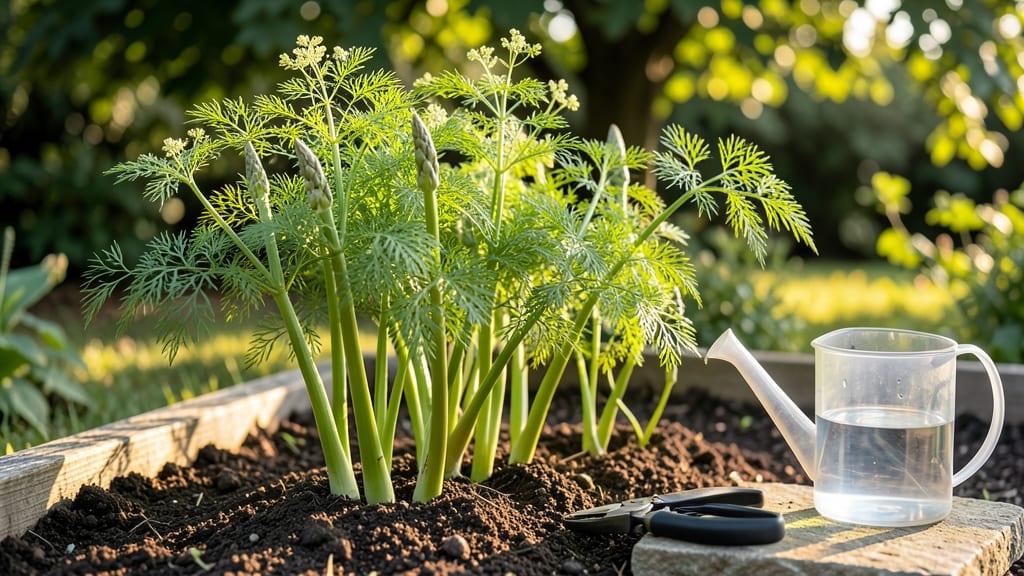
If you don’t thin your asparagus seeding out early, the overcrowded plants will steal each other’s nutrients—and your harvest’s future. I’ve watched entire beds fail because thin, leggy spears couldn’t compete—until I learned the simple transplant trick that turns weak starts into strong, productive crowns.
The key isn’t just spacing; it’s timing, soil prep, and giving those roots room to spread before the first spear even pokes through.
Here’s the game-changer: transplant seedlings when they’re 3-4 inches tall and the soil warms to 50°F, using a fork to loosen 12-inch-deep trenches where roots can dive deep. Space them 12-18 inches apart—no closer—and bury the crowns 6 inches deep to encourage strong root growth.
Most gardeners skip this step and end up with stunted plants that never recover. I’ve done it twice now, and both times, the second-year harvest was 30% larger than beds I didn’t thin.
After planting, keep the soil moist but not soggy for the first 4 weeks, then back off to let roots establish. You’ll see the difference in year two when spears emerge thick and sturdy instead of weak and sparse.
The secret’s in the prep—don’t rush it. Patience here means years of reliable harvests instead of wasted beds.
Works in zones 3-9, though fall planting gives roots a head start in colder climates. The same method fixes overcrowded nursery plants or accidental volunteer seedlings. Let’s get those spears growing strong from day one.
The Hidden Triggers Behind Spread
When your asparagus beds start seeding out—producing wild, unwanted shoots far from the main patch—it’s rarely just bad luck. The culprits are often a mix of biological behaviors, environmental factors, and even human habits.
Understanding these triggers is the first step to reclaiming control over your crop. Let’s break down the science behind why this happens and how to spot the signs early.
Asparagus crowns (the thick, woody base of the plant) have a lifespan of about 10–15 years. As they age, their energy shifts from producing thick, harvestable spears to focusing on reproductive growth—which means more seeds. Older crowns prioritize survival over your dinner plate, leading to excessive seeding.
Why it happens:
- Declining vigor: Mature crowns produce fewer nutrients for spear growth, redirecting resources to seed production as a survival strategy.
- Hormonal shifts: Increased levels of ethylene (a plant hormone) signal the plant to flower and seed, especially under stress.
- Genetic programming: Some asparagus varieties are more prone to seeding out as they age, particularly hybrid cultivars bred for early harvest.
🔍 How to spot it: Look for yellowing fronds in late summer or thinner spears in spring—classic signs of an aging crown. If your patch is over 5 years old, seeding out may be inevitable without intervention.
Asparagus plants are sensitive to stress, and when they feel threatened, they’ll often respond by seeding out as a last-ditch effort to propagate. Common stressors include:
| Stressor | How It Triggers Seeding | Actionable Fix |
|---|---|---|
| 💧 Water fluctuations | Drought or overwatering disrupts root growth, forcing the plant to focus on seed production for the next generation. | Maintain 1–1.5 inches of water weekly (deep soaks, not surface sprinkles). Use mulch to stabilize soil moisture. |
| 🌡️ Extreme temperatures | Heatwaves or late frosts shock the crown, triggering a survival response. Asparagus prefers 50–75°F for optimal growth. | Use shade cloth in summer or row covers in early spring. Avoid planting in low-lying areas where cold air pools. |
| 🦟 Pest or disease pressure | Root rot (Phytophthora), aphids, or asparagus beetle damage weakens the plant, prompting it to seed before dying. | Rotate crops every 3–4 years, apply neem oil for pests, and ensure well-draining soil to prevent rot. |
| 🌱 Crowding or poor spacing | Overcrowded crowns compete for nutrients, leading to stunted growth and increased seeding to spread. | Space crowns 12–18 inches apart in rows 4–5 feet apart. Thin out older, unproductive crowns annually. |
💡 Pro Tip: If you notice stunted fronds or spears that bolt (send up flower stalks) prematurely, your plants are likely under stress. Address the root cause immediately—seeding out will only worsen.
Not all asparagus is created equal. Some cultivars are genetically predisposed to seeding out, especially if they’re:
- Hybrids: First-generation hybrids (like ‘Mary Washington’) may seed out more aggressively to maintain genetic diversity.
- Perennial types: Varieties like Asparagus officinalis (the common garden asparagus) are more prone to seeding than sterile cultivars.
- Open-pollinated seeds: If you grew asparagus from store-bought seeds (not certified crowns), the plants may revert to wild-type behaviors, including excessive seeding.
Why it happens: These plants haven’t been selectively bred for low seeding. Their primary goal is survival and propagation, not your harvest.
🔍 How to spot it: If your asparagus bolts (sends up tall flower stalks) in its first or second year, it’s likely a seed-grown variety. Certified crowns from nurseries are less likely to behave this way.
✨ Solution: If you’re dealing with a high-seeding variety, consider replacing it with low-seeding cultivars like:
- ‘Purple Passion’ (sterile, no seeding)
- ‘Jersey Knight’ (hybrid, reliable)
- ‘UC 157’ (disease-resistant, low-seeding)
Sometimes, our own gardening habits accidentally trigger asparagus to seed out. Common mistakes include:
- 🔪 Harvesting too aggressively: Cutting spears below ground level or harvesting after the fronds turn brown signals the plant it’s under attack, prompting a survival response.
- 🌱 Planting too shallow: Crowns buried less than 4–6 inches deep struggle to establish roots, leading to stress and seeding.
- 💥 Over-fertilizing with nitrogen: Too much N (nitrogen) promotes leafy growth over spears, and the plant may compensate by seeding.
- 🚫 Ignoring dead fronds: Leaving last year’s fronds to die in place can harbor pests or diseases, stressing the crown.
💡 Quick Fix: If you’ve made these mistakes, correct them immediately. For example:
- Harvest only spears 6+ inches tall and never cut fronds until they’ve fully browned.
- Re-bury crowns to the correct depth (eyes facing up, 4–6 inches below soil).
- Use a balanced fertilizer (10-10-10) in early spring, not just nitrogen-heavy options.
Fixing Overcrowded Asparagus Beds
When asparagus plants start seeding out—sending up unwanted shoots in the wrong places—it’s time to act before your harvest suffers. The good news? Most solutions are simple, garden-friendly, and won’t require drastic measures.
Below, we’ll map the most common causes to practical fixes, plus prevention tips to keep your asparagus patch thriving for years.
If your asparagus bed is packed with dense, competing shoots, thinning is the fastest way to restore balance.
How to do it:
- 🔪 Wait until late summer or early fall (after harvest season) to avoid shocking the crowns.
- 👨🍳 Use clean, sharp shears or a knife to slice through unwanted shoots at ground level—never pull them, as this can damage the roots.
- 🌱 Leave 6–8 healthy shoots per plant (or 12 inches between crowns if spacing is loose). Prioritize the thickest, straightest stalks.
- 🗑️ Remove the thinned shoots immediately—compost them if pest-free, or dispose of them to prevent volunteer plants.
💡 Pro Tip: If your bed is severely overcrowded (e.g., 20+ shoots per plant), thin in two stages: first cut back half, then reassess in 2–3 weeks before final thinning.
Asparagus seeds (from berries or fallen shoots) can sprout far from the main bed, creating a messy, invasive problem.
How to prevent it:
- 🧹 Hand-pull seedlings as soon as they emerge—before they develop roots. A quick tug usually works, but use a trowel if the soil is hard.
- 🛡️ Mulch heavily (3–4 inches of straw or wood chips) around the base of mature plants to block sunlight from reaching seeds.
- 🍓 Remove asparagus berries (the red orbs that form in late summer) before they split open. Wear gloves—some gardeners report these berries can be mildly toxic if ingested.
- 🌿 Solarize the soil in late summer: Lay clear plastic over bare soil for 4–6 weeks to kill seeds and weeds. (Best for warm climates!)
✨ Bonus: If seedlings pop up in lawns or borders, smother them with cardboard + mulch to prevent regrowth.
Poor initial spacing is often the root cause of seeding out. Fix it now to avoid future headaches.
How to correct it:
- 📏 Measure your current spacing: Healthy asparagus crowns need 12–18 inches apart in rows 3–4 feet apart.
- 🔄 If too close: Dig up and relocate some crowns to a new bed (dig a trench, place crowns 12" apart, cover with soil). Do this in early spring or fall.
- 🌱 For new plantings: Space crowns 18 inches apart in rows 4 feet apart to allow airflow and reduce crowding.
🎯 Prevention Tip: If you’re planting from seed (not crowns), thin seedlings aggressively—leave only the strongest 2–3 per spot, then space them properly later.
Over-harvesting or cutting too early can weaken plants, leading to erratic growth and seeding.
How to harvest correctly:
- 🥦 Wait 2–3 years before harvesting new beds (young plants need energy to establish roots).
- 📅 Harvest in spring for 2–3 weeks max the first year, then extend slightly each subsequent year (but never take more than 20% of shoots).
- ⏰ Stop harvesting by mid-summer to let plants recover and store energy for next year.
- 💧 Keep soil moist (but not soggy) during the first 2 years—stressed plants are more likely to seed out.
💡 Pro Tip: If your asparagus is seeding out despite proper care, it might be fertilizer-starved. Test your soil—add balanced fertilizer (10-10-10) in early spring or compost to boost vigor.
To keep your asparagus patch dense, productive, and seed-free, follow this yearly routine:
- 🌿 Mulch (3–4 inches) after harvest to suppress weeds and seeds.
- 🍓 Remove berries before they ripen.
- 🔄 Thin shoots in late summer if overcrowding occurs.
- 💧 Water deeply 1–2 times per week (drought stress = more seeding).
- 🌱 Fertilize lightly in spring with compost or low-nitrogen fertilizer.
Final Thought: A little regular maintenance goes a long way—most asparagus seeding issues are fixable with thinning, mulching, and smart harvesting. Once you’ve got the rhythm, your bed will reward you with thick, spears for decades! 🌱💪
Frequently asked questions
Why do asparagus plants spread so aggressively?
Asparagus spreads through underground crowns and seeds. The crowns naturally expand over time, while fallen berries produce new shoots. This behavior is the plant’s way of ensuring survival—it’s not a flaw, but a natural growth habit. Proper spacing and regular thinning can control this spread while maintaining healthy harvests.
Can I transplant asparagus seedlings to stop them from seeding out?
Yes! Transplanting seedlings 3-4 inches tall into well-prepared soil with proper spacing (12-18 inches apart) reduces crowding. Bury the crowns 6 inches deep and water consistently for the first 4 weeks. This method helps redirect energy from seeding to root and spear growth.
How do I prevent asparagus berries from producing more plants?
Remove berries before they ripen (wear gloves—they can irritate skin). Mulch heavily (3-4 inches) around mature plants to block sunlight from reaching fallen seeds. For stubborn seedlings, hand-pull them early or smother them with cardboard and mulch to prevent regrowth.
Will thinning my asparagus bed reduce future seeding?
Thinning in late summer or early fall gives plants more space to grow without competing. Leave 6-8 healthy shoots per plant and remove excess shoots immediately. This reduces stress, improves air circulation, and helps plants focus on producing spears instead of seeds.
Can I grow asparagus from seed instead of crowns to avoid seeding out?
Seed-grown asparagus will always seed out more aggressively since it’s not selectively bred for low seeding. For reliable, low-seeding varieties, use certified crowns from nurseries (like ‘Purple Passion’ or ‘Jersey Knight’). These are bred to minimize unwanted spread while maintaining productivity.