Size
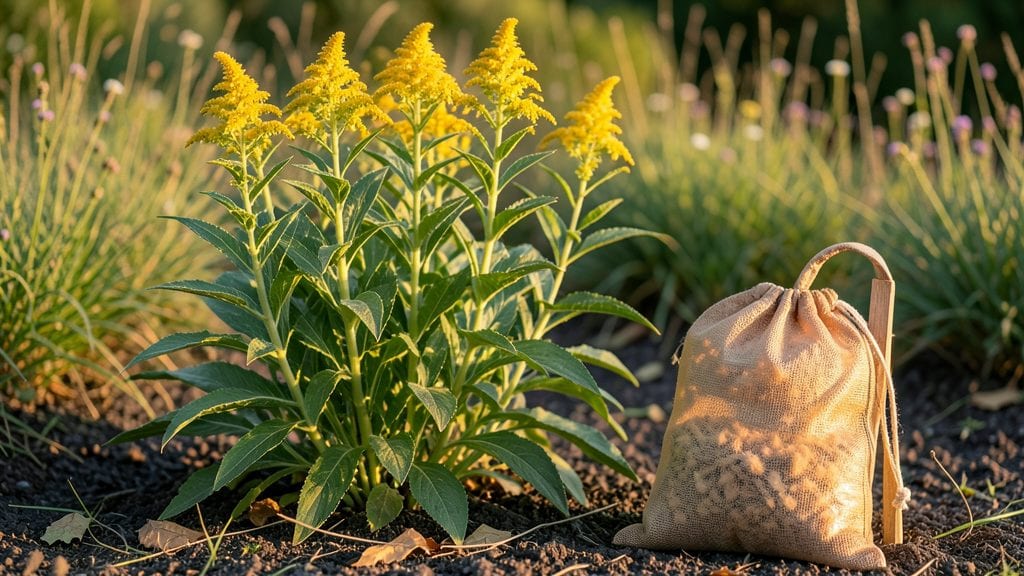
Growing tall goldenrod from seeds transforms your yard into a buzzing, year-round haven for bees, butterflies, and beneficial insects—in just three seasons. 🌿 I’ve watched goldenrod patches explode into vibrant late-summer blooms that keep pollinators fed well into frost, and the secret starts with the right seeds and a little patience.
The key isn’t complicated: fresh seeds, the right timing, and a spot where they can spread naturally without competition.
You’ll need native or regionally adapted seeds (avoid hybrids—they don’t support pollinators as well), a sunny patch with poor to average soil (goldenrod thrives where nothing else wants to grow), and a 3-foot-wide swath to let plants spread.
The real magic happens when you mimic nature: scatter seeds in early spring or fall, barely cover them, and let them germinate on their own. Water lightly for the first month, then step back—this isn’t a fussy plant.
By year three, you’ll have 6-foot-tall plumes of golden blooms that hum with activity from July through October, long after most gardens have gone quiet. The plants self-seed aggressively, creating dense stands that outperform annual wildflower mixes.
Plus, they’re tough: drought-tolerant once established, resistant to deer, and they suppress weeds better than mulch ever could.
Perfect for meadows, roadsides, or even large containers—just give them space. Here’s how to get started without the guesswork, so you’re not left with sparse patches or weedy takeovers. Let’s make that pollinator buffet a reality.
📚 In This Guide
- What you need
- Instructions
- Tips and common mistakes
- Wrapping up and next steps
What you need
- ● Tall goldenrod seeds: 1–2 lbs (enough for ~1,000–2,000 plants, depending on spacing). Pro tip: Opt for organic, non-GMO seeds for the best pollinator benefits! 🌿
- ● Garden soil: Well-draining, slightly alkaline to neutral (pH 6.0–7.5). Amend with compost if needed.
- ● Sunlight: Full sun (6+ hours daily) for optimal growth.
- ● Water source: Hose or drip irrigation system (keep soil moist but not soggy).
- ● Garden tools: Hand trowel or transplanting spade
- ● Rake (for loosening soil)
- ○ Garden gloves (optional but recommended!)
- ● Mulch: Straw or wood chips to retain moisture and suppress weeds.
- ● Fertilizer: Low-nitrogen, balanced fertilizer (e.g., 5-5-5) for established plants.
- ● Pollinator-friendly companions: Native wildflowers (e.g., coneflowers, black-eyed Susans) to attract even more bees and butterflies.
- ● Seed-starting trays: If you prefer to start seeds indoors (4–6 weeks before last frost).
- ● Bird netting: To protect young seedlings from hungry critters (if needed).
Step-by-Step instructions for planting tall goldenrod seeds
Goldenrod thrives with minimal fuss—just follow these steps for a pollinator haven that blooms reliably for years.
🌱 Step 1: Prepare the Planting Site for Maximum Growth
Goldenrod loves full sun and tolerates poor soil, but you’ll get the best results by amending the area first. Choose a spot with at least 6 hours of direct sunlight daily, as goldenrod’s iconic plumes need plenty of light to develop fully. Clear the ground of weeds and loosen the top 6 inches of soil with a garden fork or tiller.
Goldenrod thrives in dry conditions, so avoid overly rich soil—it encourages leafy growth at the expense of flowers. If your soil is heavy clay, mix in 2 inches of coarse sand to improve drainage. This plant is drought-tolerant once established, but young seedlings appreciate consistently moist soil during their first growing season.
🌱 Step 2: Sow Seeds at the Right Time and Depth
Sow seeds in early spring or late summer for best results. Goldenrod germinates quickly in warm soil, so avoid planting when frost is still a threat. Scatter seeds ¼ inch deep and 12 inches apart—they’re tiny, so I use a small sieve to distribute them evenly. Press them lightly into the soil to ensure good seed-to-soil contact.
Goldenrod seeds don’t need light to germinate, so covering them lightly is all that’s required. Water gently but thoroughly after planting to settle the soil around the seeds. Keep the area moist (not soggy) until germination, which typically occurs in 10-14 days. You’ll see the first true leaves emerge as small, narrow shapes—don’t mistake them for weeds.
💧 Step 3: Maintain Moisture and Light for Strong Seedlings
Once seedlings appear, reduce watering to once a week, allowing the top inch of soil to dry between waterings. Overwatering at this stage can lead to fungal issues, especially in dense plantings. Goldenrod is tough once established, but young plants need consistent moisture to develop strong root systems.
Thin seedlings to 18 inches apart when they reach 4-6 inches tall. This spacing gives them room to grow without competing for sunlight or nutrients. You’ll know they’re ready for thinning when you can see their individual leaves clearly—no more crowded clusters. Use scissors to snip unwanted stems at soil level to avoid disturbing roots.
☀️ Step 4: Encourage Full Growth and Blooms
Goldenrod thrives on neglect once established, but a little care ensures those signature plumes appear year after year. After the first growing season, reduce watering further—this plant is drought-tolerant and actually benefits from drier conditions. Fertilizer isn’t necessary, but if your soil is particularly poor, a light application of 5-10-10 fertilizer in early spring can give it a gentle boost.
Cut back dead stems in late winter or early spring before new growth appears. This keeps the plant tidy and encourages fresh, vigorous shoots. Goldenrod spreads slowly via underground rhizomes, so you may eventually need to divide clumps every 3-4 years to maintain its shape. Watch for new shoots emerging around the base—these are your signal that it’s time to dig and separate.
⏰ Step 5: Enjoy Year-Round Pollinator Support
Goldenrod’s late summer to fall blooms provide nectar and pollen for bees, butterflies, and other pollinators when few other plants are in flower. Leave the seed heads standing through winter—they offer shelter for beneficial insects and add texture to the landscape. Cut them back only in late winter, just as new growth begins.
This plant’s real magic happens in its third year, when it reaches its full 3-5 foot height and produces abundant plumes. By then, it’ll be a pollinator magnet that keeps working for you with almost no effort. Just remember: goldenrod’s reputation as an allergen is overblown—it’s actually a vital food source for wildlife and a low-maintenance star in any native garden.
Tips & tricks for perfect tall goldenrod planting
These pro insights will help you transform your garden into a thriving pollinator paradise with minimal effort.
The Sunlight Secret: While goldenrod tolerates partial shade, those 6 hours of direct sunlight in Step 1 are non-negotiable for the iconic plumes. I've planted in spots with only 4 hours of sun, and while the plants survived, they produced sparse, weak blooms. Place your planting area where the sun hits hardest—even a small patch will make a difference for pollinators.
Seed Distribution Strategy: Goldenrod seeds are microscopic, so don't rely on casual scattering. Use a small sieve or fine mesh strainer to create an even distribution at the ¼ inch depth specified in Step 2. I've found that pre-mixing seeds with a little sand helps prevent clumping. After sowing, gently press with your hand—this ensures good seed-to-soil contact without compacting too much.
Germination Timing: The 10-14 day germination window in Step 2 can feel like an eternity, but patience pays off. Mark your planting location clearly so you don't accidentally disturb the area while waiting. If germination doesn't occur within 2 weeks, lightly scratch the soil surface to improve air circulation—sometimes seeds need just a little encouragement to break dormancy.
Thinning Technique: When thinning seedlings to 18 inches apart in Step 3, use clean scissors to snip at soil level rather than pulling. This prevents disturbing the roots of neighboring plants. I've seen gardeners accidentally uproot multiple plants when pulling, creating more work. Thin on a dry day when the soil is firm—wet soil sticks to roots and makes the process messier.
Pro Tips for Tall Goldenrod Seeds
- These pro insights will help you transform your garden into a thriving pollinator paradise with minimal effort.
- The Sunlight Secret: While goldenrod tolerates partial shade, those 6 hours of direct sunlight in Step 1 are non-negotiable for the iconic plumes.
- Seed Distribution Strategy: Goldenrod seeds are microscopic, so don't rely on casual scattering.
Frequently asked questions
Got questions about growing tall goldenrod seeds to attract pollinators? You’re in the right place! Here are some of the most common queries—plus quick, actionable answers to help you succeed.
When is the best time to plant tall goldenrod seeds?
For fastest results, sow seeds in early spring (as soon as soil is workable) or late summer (August-September). Tall goldenrod thrives in warm seasons, so avoid planting in fall if your winters are harsh—seeds may not survive frost. Pro tip: A light scarification (nick the seed coat with sandpaper) can boost germination rates!
How long does it take for tall goldenrod to attract pollinators?
While the plant itself may take 2–3 years to reach full height (4–6 feet), you’ll see bees, butterflies, and beneficial wasps visiting within the first growing season! The bright yellow plumes are irresistible to pollinators, so even young plants (1–2 feet tall) will draw activity. Bonus: Deadheading spent blooms encourages a second flush of flowers!
Can tall goldenrod spread aggressively? How do I control it?
Tall goldenrod is not invasive like some goldenrods, but it self-seeds readily. To manage spread, deadhead spent flower heads before they release seeds or mow in early spring to reduce seed production. For contained gardens, grow in clumps or use edging barriers. Warning: Avoid planting near water sources—it can form dense stands!
What’s the difference between tall goldenrod seeds and other goldenrod varieties?
Tall goldenrod (Solidago altissima) stands out for its tall stature (4–6 feet) and late-season blooms (August–October), providing nectar when many other plants have faded. Unlike shorter goldenrods (e.g., Solidago canadensis), it’s less aggressive and more drought-tolerant. Quick ID: Look for narrow, arching leaves and dense, plume-like flower clusters!
What can I plant alongside tall goldenrod for a pollinator-friendly garden?
Pair it with native companions like coneflowers, black-eyed Susans, or milkweed for a year-round pollinator buffet. Avoid non-native or hybrid plants—stick to local natives (check your USDA zone) for the best synergy. Example combo: Tall goldenrod + bee balm + purple coneflower = nonstop activity!
Why aren’t my tall goldenrod seeds germinating?
Common culprits: too-deep planting (seeds need light), cold soil (wait until temps hit 50°F+), or poor moisture. Try stratifying seeds (mix with damp sand, refrigerate 4 weeks) or direct-sow in warm soil. Patience tip: Germination can take 2–4 weeks—keep soil consistently moist until sprouts appear!
Wrapping up and next steps
Transforming your space into a year-round pollinator magnet with tall goldenrod seeds is simpler—and more rewarding—than you think! 🌿 With just a few key materials and a little patience, you’ll create a thriving ecosystem that supports bees, butterflies, and birds while adding beauty to your landscape.
Whether you’re a gardening novice or a seasoned pro, this low-maintenance plant is your secret weapon for sustainable, wildlife-friendly gardening.
Now that you’re armed with the know-how, take the next step—grab those seeds, find a sunny spot, and let nature do the rest! Start small, experiment, and watch your garden (and local pollinators) thrive in just three years. Happy planting! 🌟