Pests
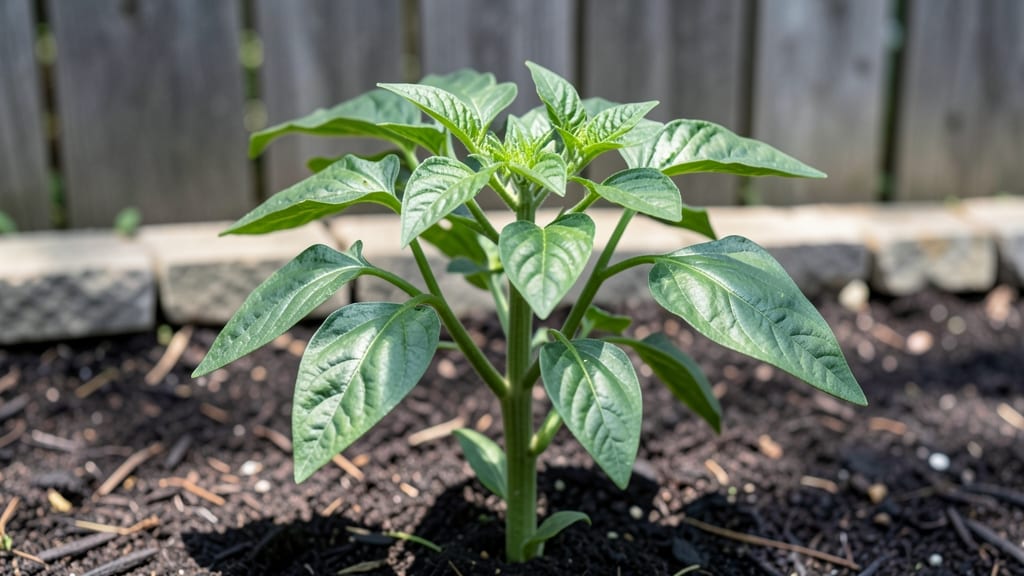
Yellowing pepper seedling leaves don’t mean game over—this is your quick fix before the problem spreads. 🌱 I’ve nursed back dozens of seedlings with just a few targeted tweaks, and the best part? Most fixes take less than 10 minutes.
The culprits are usually overwatering, nutrient burn, or hidden pests like aphids clinging to the undersides of leaves. My first step is always checking the soil moisture—pepper seedlings hate soggy roots—and then inspecting for tiny invaders.
Once you spot the issue, the solution is simple: adjust watering, trim damaged leaves, or spray with neem oil.
Within 3-5 days, you’ll see fresh green leaves pushing out, and your seedlings will bounce back stronger than ever. The key is acting fast—yellowing leaves left unchecked can stunt growth or even kill young plants before they reach maturity.
This works for all pepper varieties, from sweet bells to fiery jalapeños, and keeps your seedlings on track for a bountiful harvest. Let’s get those leaves perky again—here’s exactly how.
Root Causes Of Leaf Stress
Understanding why your pepper seedling leaves are struggling starts with identifying the hidden triggers lurking in your growing environment. These issues often stem from environmental mismatches, nutrient imbalances, or unseen threats. Let’s break down the most common culprits—and why they’re sabotaging your seedlings.
---
Pepper seedlings hate soggy roots—their leaves yellow or wilt when they’re drowning in excess moisture. Here’s why this happens:
- Oxygen Deprivation: Roots need air to breathe.
When soil stays waterlogged, oxygen levels drop, suffocating roots and triggering anaerobic conditions (a.k.a. "rotting roots"). - Fungal Invaders: Stagnant water creates the perfect breeding ground for root rot pathogens like Phytophthora or Pythium, which clog root tissues and block nutrient uptake. - Nutrient Leaching: Overwatering flushes away essential minerals (like nitrogen, potassium, and magnesium) that seedlings desperately need for leaf health.
Actionable Sign: Check soil moisture by sticking your finger 1-2 inches deep—if it’s damp, hold off on watering. Use well-draining soil mixes (50% potting soil + 50% perlite or coco coir) and pots with drainage holes.
---
Yellowing leaves often scream "feed me!"—but not always in the way you’d expect. Here’s how deficiencies manifest:
| Symptom | Likely Culprit | Why It Happens | |---------------------------|-----------------------------|-----------------------------------------------------------------------------------| | Yellow between veins | Nitrogen deficiency | Nitrogen fuels leaf chlorophyll; without it, older leaves turn pale first. | | Purple stems/leaves | Phosphorus shortage | Phosphorus aids energy transfer; stress from lack of it causes purpling. | | Brown leaf edges | Potassium deficiency | Potassium regulates water balance; edges crisp when levels drop. | | **Yellow and weak growth | Magnesium deficiency | Magnesium is vital for chlorophyll; deficiency starts in older leaves. |
Pro Tip: Use a balanced fertilizer (like 10-10-10) at half-strength for seedlings. Avoid overdoing nitrogen—it can burn roots and worsen waterlogging issues.
---
Tiny invaders can wreak havoc on seedlings before you even notice. Here’s how they strike:
- Aphids/Spider Mites: These sap-suckers inject toxins into leaves, causing yellowing, curling, or stippling (tiny white dots).
They thrive in dry, dusty conditions. - Fungal Infections** (e.g., Alternaria or Downy Mildew): High humidity + poor airflow = fungal spores feasting on leaf tissue, leading to yellow patches or black spots. - Root-Knot Nematodes: Microscopic worms that burrow into roots, disrupting water/nutrient flow.
Infected seedlings wilt even when soil is moist.
Early Warning Signs: - Sticky residue on leaves (aphids). - White webbing (spider mites). - Moldy film on soil surface (fungus).
Fix: Isolate affected seedlings, spray with neem oil (for pests) or baking soda solution (1 tsp/L water for fungus), and improve airflow with spacers or fans.
--- Seedlings are delicate—subject them to extreme conditions, and their leaves revolt. Common stressors include:
- Temperature Swings: Peppers prefer 65–80°F (18–27°C).
Below 50°F (10°C), growth stalls; above 90°F (32°C), leaves scorch from transpiration overload. - Low Light: Without 6–8 hours of sunlight, seedlings stretch (etiolation) and develop weak, pale leaves due to poor chlorophyll production. - Wind or Physical Damage: Rough handling or gusts can tear leaf tissue, exposing plants to pathogens.
Quick Fixes: - Move seedlings to a sunny windowsill or use grow lights (12–16 hours/day). - Use row covers or shelter for wind protection. - Acclimate seedlings gradually to outdoor conditions (hardening off).
--- Even the best seedlings can freak out after repotting. Here’s why:
- Root Trauma: Disturbing roots during transplanting disrupts nutrient/water uptake, causing temporary wilting or yellowing. - Soil Mismatch: Heavy or compacted soil strangles roots, while loose soil can’t retain moisture. - Overcrowding: Seedlings competing for resources starve each other, leading to weak, yellow leaves.
Solution: Repot gently, water thoroughly post-transplant, and avoid fertilizing for 1–2 weeks to let roots recover. Use larger pots (3–4 inches deep) to prevent root binding.
Quick Fixes for Pepper Seedling Struggles
Reviving your pepper seedlings starts with identifying the root cause—whether it’s pests, disease, or environmental stress. Below are practical, step-by-step solutions tailored to the most common issues affecting your seedlings’ leaves, plus prevention tips to keep them thriving. Let’s get those leaves perky again! 🌱💚
---
If tiny critters are munching on your seedlings, act fast before they spread.
#### 🔥 Spider Mites or Aphids? Fix: 1. Isolate the seedlings to prevent cross-contamination. Place them in a shaded area away from other plants. 2. Blast them off with a strong spray of water (💦) from a hose or spray bottle—this dislodges pests and washes away eggs.
3. Apply insecticidal soap (1–2 tbsp per quart of water) or neem oil spray (1 tsp neem oil + 1 tsp mild soap per quart of water). Spray both sides of leaves and stems thoroughly. 4. Repeat every 3–5 days until pests disappear.
For severe cases, use pyrethrin-based sprays (follow label instructions).
Prevention: - Inspect new seedlings before planting. Quarantine them for 1–2 weeks if pests are suspected. - Encourage natural predators: Ladybugs and lacewings love aphids—introduce them or plant companion flowers like marigolds. - Keep plants healthy: Strong seedlings resist pests better. Ensure they get adequate sunlight (6+ hours/day) and well-draining soil.
---
#### 🐜 Whiteflies or Mealybugs? Fix: 1. Sticky traps (yellow or blue) placed near seedlings can catch adult flies. Replace traps weekly. 2. Wipe down leaves with a 70% alcohol solution (dilute 1:1 with water) using a soft cloth or cotton swab.
Focus on undersides where pests hide. 3. Use systemic granules like Bacillus thuringiensis (Bt) or Imidacloprid (for severe infestations). Follow package directions for soil application. 4. Prune heavily infested leaves and dispose of them in sealed bags (🗑️).
Prevention: - Avoid overwatering—mealybugs thrive in damp conditions. - Rotate crops to disrupt pest life cycles. - Plant basil or dill nearby—these repel whiteflies naturally.
---
Yellowing or wilting leaves often signal overwatering, underwatering, or temperature shocks.
#### 💧 Overwatering or Poor Drainage? Fix: 1. Let the soil dry out between waterings. Stick your finger 1 inch into the soil—if it’s soggy, wait 2–3 days before watering again. 2. Repot in well-draining mix: Combine 50% potting soil, 30% perlite, and 20% compost.
Avoid garden soil, which compacts and holds too much moisture. 3. Check containers: Ensure pots have drainage holes and saucers underneath to catch excess water. 4. Improve airflow: Space seedlings 6–12 inches apart to reduce humidity around leaves.
Prevention: - Water at the base (not overhead) to prevent fungal diseases like damping-off. - Use a moisture meter for precision—aim for 40–60% moisture in the root zone. - Mulch lightly with straw or coconut coir to retain moisture without suffocating roots.
---
#### ☀️ Too Much Sun or Heat Stress? Fix: 1. Move seedlings to partial shade (4–6 hours of sunlight max) for 3–5 days to let them acclimate. 2. Shade cloth (30–50%) works well if you can’t relocate them. Secure it 1–2 feet above plants to avoid touching leaves.
3. Mist leaves lightly in the morning to cool them down (🌧️). Avoid evening watering—it promotes fungal growth. 4. Hardening off gradually: If seedlings were indoors, expose them to 1–2 hours of sunlight daily, increasing time over 7–10 days.
Prevention: - Start seedlings indoors 6–8 weeks before the last frost, then transition slowly to outdoor conditions. - Choose heat-tolerant varieties like ‘Carolina Wonder’ or ‘Jupiter’ if you live in hot climates. - Use reflective mulch (like aluminum foil) around pots to deflect excess heat.
---
Damping-off, powdery mildew, or bacterial spots can turn leaves mushy or spotted.
#### 🔪 Damping-Off or Root Rot? Fix: 1. Remove infected seedlings immediately to prevent spores from spreading. Snip at soil level with sterilized scissors (wipe with rubbing alcohol between cuts).
2. Repot healthy seedlings in sterilized soil (bake soil in the oven at 200°F for 30 minutes or use hydrogen peroxide solution—1 part 3% H₂O₂ to 10 parts water—to disinfect). 3. Improve airflow: Thin out crowded seedlings and avoid overhead watering.
4. Apply fungicide: Use copper fungicide or baking soda spray (1 tsp baking soda + 1 quart water + a drop of dish soap).
Prevention: - Sterilize tools and containers between uses with bleach (1:10 ratio) or rubbing alcohol. - Space seedlings widely (4–6 inches apart) to reduce humidity. - Avoid watering at night—fungi thrive in damp, dark conditions.
---
#### 🌡️ Powdery Mildew or Leaf Spot? Fix: 1. Prune affected leaves and dispose of them in the trash (not compost).
2. Spray with a fungicide mix: - Baking soda spray: 1 tsp baking soda + 1 quart water + 1 tsp oil (like canola or neem oil) + a drop of soap.
Spray every 7–10 days. - Milk spray: 1 part milk to 9 parts water (contains natural antifungal properties). 3. Increase airflow by pruning nearby plants or using a small fan on low setting (💨).
Prevention: - Water early in the day so leaves dry quickly. - Space plants for airflow—crowding invites fungal spores. - Rotate crops annually to prevent soil-borne pathogens.
---
- Test your soil: Use a pH test kit (peppers prefer 6.0–6.8). Adjust with lime (to raise pH) or sulfur (to lower it). - Fertilize lightly: Over-fertilizing burns roots.
Use a balanced 10-10-10 or 5-5-5 fertilizer at half strength every 2–3 weeks. - Monitor daily: Check seedlings every morning for early signs of stress, pests, or disease. Catch issues before they escalate!
--- By tackling the problem head-on with these targeted fixes, your pepper seedlings should bounce back in 7–14 days. Keep an eye on them, adjust care as needed, and soon you’ll be harvesting vibrant, healthy peppers—not just fixing leaves! 🌶️🌿
Frequently asked questions
Why are my pepper seedling leaves turning yellow first on the older ones?
This is usually a sign of nitrogen deficiency, as older leaves tap into stored nutrients first. Peppers need consistent nitrogen for green, healthy foliage. Try a balanced fertilizer (10-10-10) at half-strength or add compost to the soil. Yellowing between veins confirms this issue.
What should I do if my pepper seedling leaves look curled or sticky?
Curling + stickiness = aphids or spider mites! Check the undersides of leaves for tiny pests. Blast them off with water, then spray with neem oil (1 tsp + 1 tsp soap per quart of water). Repeat every 3-5 days until pests disappear. Isolate affected seedlings to prevent spreading.
Can I save a pepper seedling with black spots on the leaves?
Black spots often mean fungal infection (like Alternaria) or bacterial leaf spot. Prune affected leaves immediately and dispose of them. Spray with a baking soda solution (1 tsp/L water + drop of soap) every 7-10 days. Improve airflow by spacing seedlings wider and avoid overhead watering.
How often should I water pepper seedlings?
Water when the top 1 inch of soil feels dry—usually every 2-3 days, but check daily in hot weather. Overwatering causes root rot, while underwatering leads to wilting. Use pots with drainage holes and a well-draining soil mix (50% potting soil + 50% perlite).
Will my pepper seedlings recover if I prune yellow leaves?
Yes! Pruning damaged leaves helps the plant focus energy on new growth. Just don’t remove more than 20% of the foliage at once. For severe cases, trim only the most affected leaves and monitor for improvement within 5-7 days. Avoid pruning during extreme heat or cold.