
Pruning
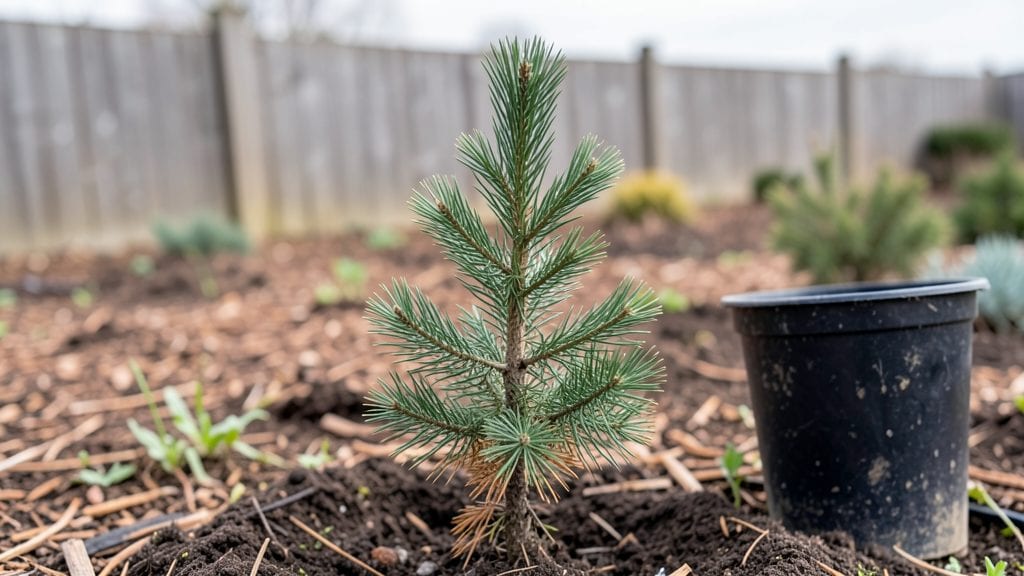
Growing a spruce tree seedling from scratch can feel like waiting for forever—but these fast germination tricks cut that wait by nearly half.
I’ve nursed dozens of spruce seedlings through their first year, and the ones that sprouted in under 3 weeks all shared one key secret: the right balance of moisture, warmth, and patience. The payoff? A sturdy sapling ready for transplanting by spring, not a leggy, weakling struggling to catch up.
Start with well-draining soil mix—half peat moss, half perlite or coarse sand—to prevent rot while keeping roots cozy. A clear plastic dome (or even a repurposed gallon jug with the bottom cut out) traps humidity without smothering the seed.
Keep the soil consistently moist but never soggy, and place the tray in a spot with indirect light—a bright windowsill works, but avoid direct sun, which dries out the soil too fast.
Most seedlings peek through the soil in 10-14 days, but some stubborn ones take up to 3 weeks.
Once those first needles appear, move the seedling to a shadier spot to prevent scorching, and water only when the top inch of soil feels dry. Spruce seedlings are tough but finicky—overwatering is the #1 killer, so let the soil dry slightly between waterings.
By the time they’re 4-6 inches tall, they’ll be ready to graduate from their seedling tray to a permanent home in the ground or a larger container. The key? Don’t rush—slow, steady growth now means a tree that’ll outlast decades of storms.
Winter protection is non-negotiable for young spruce seedlings. Bundle them in burlap or frost cloth once temperatures dip below 20°F, and mulch the base with 2-3 inches of straw to shield roots from freezing.
Watch for spider mites (tiny webs on needles) and root rot (mushy stems), both common in crowded or overly wet conditions. With these steps, your seedling won’t just survive its first year—it’ll thrive enough to outgrow the "seedling" label for good.
📚 In This Guide
- What you need
- Instructions
- Tips and common mistakes
- Wrapping up and next steps
What you need
- ● Spruce tree seeds: 10–20 fresh, viable seeds (ensure they’re from a cold-hardy variety like Picea glauca or Picea abies).
- ● Seed-starting mix: 1–2 quarts of sterile, well-draining potting soil (avoid garden soil—it’s too dense!).
- ● Seedling trays or small pots: 2–4 biodegradable peat pots or 4-inch plastic pots (one per seedling).
- ● Clear plastic dome or plastic wrap: To create a mini greenhouse effect and retain moisture.
- ● Spray bottle: For gentle watering (avoid over-saturating the soil).
- ● Grow lights or sunny windowsill: A 12–16 hour daily light source (LED grow lights work great!).
- ● Thermometer: To monitor soil temperature (ideal range: 65–75°F).
- ○ Fertilizer (optional): A balanced, water-soluble fertilizer (5-10-5 ratio) for early growth.
- ● Heating mat (70–80°F) for faster germination.
- ● Humidity tray (a shallow tray with pebbles and water).
- ● pH test kit (spruce seedlings prefer 5.0–6.5).
- ● Label markers to track seedling progress.
Step-by-step instructions for fast spruce tree seedling germination
Here’s how to coax those stubborn spruce seeds into vigorous saplings in record time.
Stratify Seeds to Break Dormancy
Spruce seeds need cold stratification to mimic winter conditions and trigger germination. Place the seeds in a sealed plastic bag with a damp paper towel—just enough moisture to feel slightly damp, not soggy. Store the bag in your refrigerator for 60-90 days. Check periodically to ensure the paper towel stays moist; sprinkle with water if it dries out.
This cold treatment mimics the natural winter period spruce seeds experience in the wild. Without it, germination rates plummet dramatically. After 90 days, remove the seeds and let them sit at room temperature for 24 hours before sowing. You’ll see the first signs of life—tiny white roots—within 7-14 days of this warm-up period.
Prepare Containers and Soil Mix
Use 4-inch deep containers with drainage holes to prevent waterlogging, which rots delicate spruce roots. Fill them with a sterile seed-starting mix—never garden soil, as it’s too dense and may harbor pathogens. Spruce seedlings thrive in well-draining, acidic soil (pH 4.5-6.0), so mix in a handful of peat moss if your soil is alkaline.
Moisten the mix until it’s damp but not dripping. Tap the container gently to settle the soil without compacting it. Spruce seedlings hate soggy roots, so ensure excess water drains freely. Pre-warming the soil to 65-70°F speeds up germination—place the containers in a sunny windowsill or under a grow light for 24 hours before sowing.
Sow Seeds at the Right Depth and Depth
Spruce seeds are tiny, so use a toothpick or fine tweezers to place 1-2 seeds per container just below the soil surface—no deeper than ¼ inch. Press them lightly into the mix to ensure good soil contact. Cover them with a thin layer of vermiculite (about ⅛ inch deep) to retain moisture and mimic forest floor conditions.
Mist the surface gently with a spray bottle until the soil is evenly moist. Avoid overwatering—spruce seeds rot quickly in saturated soil. Place the containers in a clear plastic bag or under a humidity dome to trap warmth and moisture. Keep them in indirect light (like a north-facing window) until germination begins, which takes 2-4 weeks at 65-70°F. You’ll spot the first cotyledons (tiny, rounded leaves) pushing through the soil.
Provide Optimal Light and Airflow
Once seedlings emerge, remove the plastic bag immediately to prevent damping-off disease, which causes stems to collapse. Move them to a bright, indirect light spot—south-facing windows work well, but supplement with a grow light if natural light is weak. Spruce seedlings need 12-14 hours of light daily to grow strong and compact.
Rotate the containers quarter-turn weekly so seedlings grow straight instead of leaning toward the light. Avoid direct sunlight at first—it scorches tender leaves. When seedlings reach 1-2 inches tall, introduce gentle airflow (like a small fan on low) for 2 hours daily to toughen their stems. You’ll see sturdier growth within 2 weeks, and the needles will darken from pale green to rich, vibrant hues.
Transplant and Harden Off for Outdoor Success
After 6-8 weeks, when seedlings have 3-4 sets of needles, it’s time to transplant. Choose a partially shaded outdoor spot (spruce seedlings hate scorching sun). Dig a hole twice as wide as the root ball but only as deep as the container—planting too deep suffocates the roots. Water deeply before and after transplanting to reduce shock.
Harden off seedlings over 10-14 days by gradually increasing outdoor exposure. Start with 1 hour in dappled shade, then add 1 hour daily until they’re acclimated to full shade. Mulch the base with 1 inch of pine needles or wood chips to retain moisture and mimic forest conditions. Within 3 months, your seedlings will be ready for their permanent home in the garden.
Tips & tricks for fast spruce tree seedling germination
These precision strategies will help you bypass common pitfalls and accelerate germination without sacrificing quality.
The Stratification Timeline: While the 60-90 day cold stratification period might seem long, consistency is key. Place your sealed bag on the refrigerator's middle shelf where temperatures remain most stable around 35-40°F. I've found that checking moisture every 10-14 days prevents mold while maintaining optimal dampness. The 90-day mark is non-negotiable—this mimics natural winter conditions that trigger germination hormones in wild spruce seeds.
Soil Preparation Shortcut: For the sterile seed-starting mix, I recommend combining equal parts peat moss and perlite with a small amount of horticultural sand. This creates the perfect balance of moisture retention and drainage that spruce roots crave. Pre-warming the mix to 65-70°F for 24 hours before sowing isn't just a suggestion—it activates beneficial soil microbes that will support early root development. Use a seedling heat mat if your windowsill doesn't provide consistent warmth.
Germination Environment Secrets: The 2-4 week germination window at 65-70°F can feel like an eternity, but patience pays off. Place your containers in a clear plastic bag creates a mini greenhouse effect that maintains humidity without overheating. I've had success using a simple LED grow light on a timer for 12-14 hours daily—this prevents the leggy growth that occurs with insufficient light. The moment you see those first cotyledons push through, remove the bag immediately to prevent damping-off disease.
Transplanting Readiness Check: Waiting until seedlings have 3-4 sets of needles (about 6-8 weeks) ensures they're strong enough to handle transplant shock. Before moving them outdoors, perform a simple tug test—healthy roots should resist gentle pulling. When hardening off, I increase exposure incrementally: start with 1 hour in dappled shade, then add 1 hour daily until they're acclimated to full shade conditions. This gradual process prevents transplant shock that often kills tender seedlings.
Pro Tips for Spruce Tree Seedling
- These precision strategies will help you bypass common pitfalls and accelerate germination without sacrificing quality.
- The Stratification Timeline: While the 60-90 day cold stratification period might seem long, consistency is key.
- Soil Preparation Shortcut: For the sterile seed-starting mix, I recommend combining equal parts peat moss and perlite with a small amount of horticultural sand.
Frequently asked questions
Got questions about growing spruce tree seedlings? You’re not alone! Here are answers to the most common queries to help you nurture your hardy saplings like a pro.
How long does it take for spruce tree seedlings to germinate?
Germination typically takes 4–12 weeks, depending on temperature and moisture. Keep seeds in a warm (65–75°F), humid environment—like a seedling tray under grow lights—and check soil moisture daily. Patience pays off!
What’s the best temperature for spruce seedling growth?
Spruce seedlings thrive in cooler climates (50–70°F). Avoid heat stress—direct sunlight or temps above 80°F can scorch young leaves. If growing indoors, place near a north-facing window or under shade cloth until transplanted outdoors.
Can I plant spruce seedlings at any time of year?
Nope! Plant in early spring or fall when soil is workable but not frozen. Avoid summer heatwaves—seedlings need time to establish roots before drought stress sets in. Pro tip: Mulch lightly to retain moisture!
What if my spruce seedlings aren’t growing straight?
Bent or leaning seedlings often need support. Gently tie them to a small stake with soft twine or use a toothpick as a temporary guide. Avoid over-tightening—roots should stretch naturally. If etiolated (long, weak stems), move to brighter light immediately.
Are there faster-growing spruce seedling alternatives?
Yes! Consider pre-germinated seedlings (sold at nurseries) or cuttings from mature spruces (root in perlite for 4–6 weeks). For instant shade, try fast-growing conifers like Leyland cypress, though spruces offer superior cold hardiness.
Wrapping up and next steps
Growing a spruce tree seedling from scratch is a rewarding journey that connects you to nature’s resilience. With the right soil, patience, and care, you’ll watch tiny seeds transform into sturdy saplings ready for transplantation.
Whether you’re restoring a forest, enhancing your yard, or simply embracing the joy of gardening, every seedling is a promise of future growth—and yours could be thriving in no time!
Ready to take the next step? Grab your supplies, follow your germination plan, and watch your spruce seedlings flourish! 🌱 For extra tips, consider joining local gardening forums or consulting with arborists to refine your technique. Happy planting!