Pruning
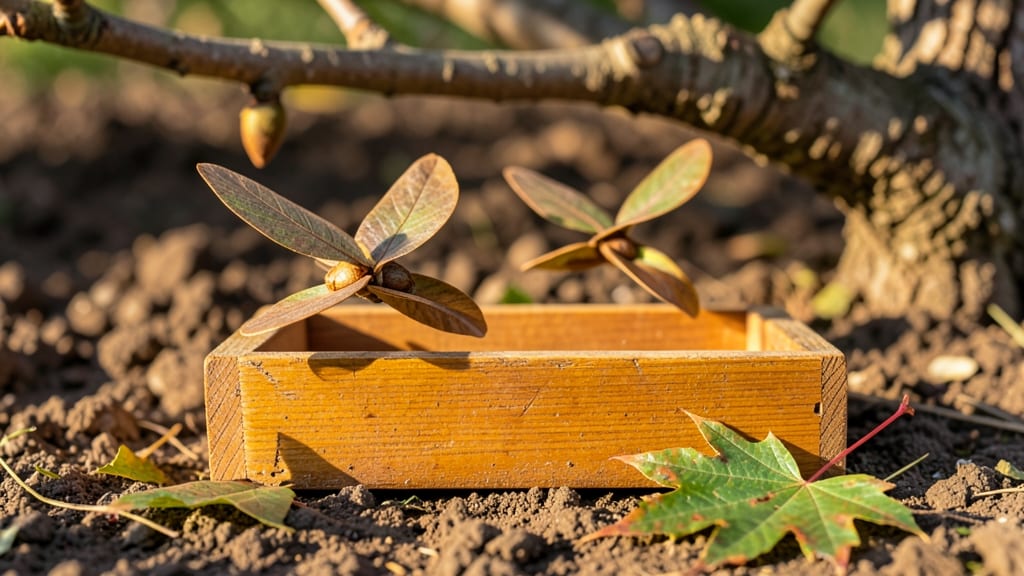
Identifying tree seeds is like learning a secret language of the forest floor—each shape, size, and texture tells a story about the tree that grew it. 🌿 I spent years collecting seeds in the woods, and the first thing I noticed was how acorns look nothing like maple samaras, even though they’re both common finds.
The key lies in those tiny details: a pinecone’s prickly scales, the winged helicopter of a birch, or the smooth, rounded acorn that’s actually a tiny oak tree in waiting.
The trick to mastering this is starting with the big five: acorns, maple samaras, pinecones, walnuts, and hickory nuts. Each has telltale features—acorns have a cap that covers about a third of the nut, while walnuts have those distinctive ridges.
Once you spot those, you’ll start noticing the subtle differences between species, like the pointed end of a black walnut versus the rounded end of a butternut. It’s like putting together a puzzle where every piece fits just right.
What you’ll gain is the ability to walk through any forest and instantly recognize which seeds are worth collecting for planting.
Imagine holding a hickory nut in your hand and knowing it’s from a tree that could grow into a giant shade provider—or spotting a maple samara and deciding whether to save it for your backyard. The best part?
You’ll start seeing the forest in a whole new way, with every seed whispering its potential.
This works for both backyard gardeners and forest foragers, whether you’re planting a single shade tree or restoring a whole ecosystem. The next time you’re out, grab a few seeds and let’s turn those walks into a game of identification—your future trees will thank you.
The Science Behind Seed Confusion
Identifying tree seeds can feel like solving a botanical puzzle—especially when similar-looking species share traits like size, shape, or color. But why does this happen? The answer lies in evolutionary adaptations, ecological strategies, and the complex interplay of genetics and environment.
Understanding these factors helps you spot key differences and avoid misidentification. Let’s break down the real reasons seeds look so deceptively alike—or wildly different—and how nature shapes them.
Some tree seeds intentionally resemble others as a survival tactic. This phenomenon, called mimicry, tricks animals or wind into dispersing seeds effectively. For example:
- 🍂 Maple vs. Ash Seeds: Both produce winged samaras, but maple seeds (like Acer saccharum) have a broader, flatter wing for slower, controlled gliding—while ash seeds (like Fraxinus americana) have narrower wings for faster, more erratic flight. This difference ensures they land in distinct microhabitats.
- 🌰 Acorn vs. Hickory Nut: Oaks (Quercus) and hickories (Carya) both produce hard-shelled nuts, but hickory nuts often have a ridged, elongated cap (the "shaggy cup") to deter squirrels—who prefer smoother acorns. Nature’s built-in pest control!
Pro Tip: 🔍 Look for subtle structural clues—like vein patterns on wings or shell texture—to distinguish mimics. A magnifying glass helps!
Seeds adapt to their environment, and regional conditions create visible differences even within the same species. For instance:
| Factor | Seed Adaptation | Example |
|---|---|---|
| 💧 Moisture Levels | Thicker seed coats retain water; thinner coats dry out faster. | Pinus palustris (longleaf pine) seeds have a hard, resinous coating to survive drought-prone Southern U.S. soils. |
| 🌡️ Temperature | Seeds in colder climates often germinate slower; tropical seeds may have softer shells for quicker sprouting. | Tsuga canadensis (eastern hemlock) seeds are tiny and lightweight to disperse in cold, windy forests. |
| 🪵 Soil pH | Acidic soils (like in pine forests) produce seeds with faster acid-neutralizing properties. | Juniperus virginiana (eastern redcedar) berry-like seeds have a waxy layer to protect against alkaline soils. |
Actionable Tip: 🌍 If you’re identifying seeds from a specific region, research local climate patterns—they’re often the key to narrowing down options!
When two closely related tree species grow near each other, their seeds can hybridize, creating a confusing mix of traits. This is common in:
- 🌳 Willow (Salix) Species: Hybrid willows (like Salix × rubens) may produce seeds that are slightly larger or differently shaped than their parent species, making ID tricky.
- 🍃 Birch (Betula) Crosses: Yellow birch (B. alleghaniensis) and paper birch (B. papyrifera) can hybridize, resulting in seeds with intermediate wing lengths or nutlet sizes.
How to Spot It: 🔬 Hybrid seeds often show asymmetrical features (e.g., uneven wings or split seed coats). Check for parent species growing nearby—hybrids rarely appear in isolation.
Seeds don’t stay the same from bud to dispersal. Their appearance changes due to:
- 🌱 Immature vs. Mature Seeds: Green, unripe seeds (like those of Ulmus americana, American elm) look nothing like their brown, papery-winged mature form.
- ❄️ Frost or Drought Stress: Seeds may shrivel or darken prematurely. For example, Castanea dentata (American chestnut) seeds often blacken if harvested too early.
Timing Matters: 📅 Collect seeds at their peak dispersal window (e.g., late summer for oaks, early spring for maples) to avoid misidentifying underdeveloped specimens.
Not all "wild" seeds are truly wild—cultivated or grafted trees can produce seeds with altered traits. Examples:
- 🍎 Fruit Tree Seeds: Grafted apple (Malus domestica) trees may produce seeds that won’t grow true to the parent (unlike wild crabapples).
- 🌿 Ornamental Trees: Hybrid cultivars (like Ginkgo biloba ‘Autumn Gold’) might have larger or differently shaped seeds than their wild counterparts.
Red Flag: 🚨 If seeds come from a nursery or urban setting, assume they could be hybridized or treated. Cross-reference with local botanical databases for cultivated species.
Quick Fixes for Seed ID Confusion
Identifying tree seeds can feel like solving a puzzle—especially when they look eerily similar at first glance. But with the right approach, you can turn guesswork into confidence. Below are practical solutions tailored to common challenges, from misidentifying seeds to missing key details.
If two seeds seem identical at a glance, focus on these microscopic clues:
- 🌱 Shape & Size: Use a ruler or caliper to measure width, length, and thickness. A walnut (1.5–2.5 inches) won’t match a hickory nut (0.75–1.25 inches). - 🎨 Surface Texture: Run your fingernail over the seed.
Is it smooth (like a sycamore) or ridged (like a buckeye)? - 🪲 Attachments: Check for wings (maple), husks (acorn caps), or fleshy coatings (hawthorn berries). - 📏 Compare with Known Samples: Keep a reference chart (or app like LeafSnap) handy for side-by-side comparisons.
Pro Tip: 💡 Take a photo with a coin for scale—this helps later if you need to verify online.
If seeds are crushed, moldy, or missing features, try these tricks:
- 🔍 Use a Magnifying Glass or Phone Microscope: Zoom in on scar patterns (where the seed attaches to the stem) or vascular traces (tiny lines).
- 💧 Soak & Peel: For acorns or chestnuts, soak in water for 30 minutes to soften the cap, then gently peel to reveal the cupule base shape.
- 🖼️ Digital Enhancement: Use free tools like GIMP or Snapseed to sharpen seed photos and highlight textures.
- 🌿 Compare with Leaf or Bark: If the seed is unrecognizable, match it to nearby leaves or bark (e.g., poison ivy seeds grow near its signature trifoliate leaves).
Pro Tip: 🌡️ Store seeds in a sealed container with silica gel to prevent mold—this preserves details for future ID.
Timing matters! Some seeds only appear in specific seasons:
| Season | Common Seeds Available | Best ID Strategy |
|---|---|---|
| Fall | Oaks, Maples, Walnuts, Hickories | Check for winged samaras (maple) or spiny caps (acorn). |
| Spring | Birch, Willow, Ash | Look for cottony "tufts" (birch) or flat, papery wings (ash). |
| Summer | Pinecones (immature), Mulberry | Pine seeds are in cones; mulberries are fleshy and cluster. |
| Winter | Persistent seeds (e.g., yew berries) | Focus on evergreen cones or dried fruit pods. |
Pro Tip: ✨ Set reminders for peak seed drop times—most trees release seeds 2–4 weeks after flowering.
Skip the guesswork with these budget-friendly tools:
- 📱 Seed ID Apps:
- PictureThis (AI-powered, great for beginners)
- Seek by iNaturalist (crowdsourced database)
- 🔬 Basic Kit:
- Hand lens ($5–$10)
- Seed trays (for sorting by size/color)
- Field guide ("Peterson Field Guide to Trees" or USDA Forest Service seed atlas)
- 🌐 Online Resources:
- USDA Plants Database (plants.usda.gov)
- Reddit’s r/whatsthisplant (community verification)
Pro Tip: 🎯 Join a local gardening or arborist group—they often host seed ID workshops with experts.
Avoid frustration with these long-term habits:
- Label Everything: Use small tags or jars with the date/location collected.
- Dry Seeds Properly: Spread on paper towels in a cool, dark place for 1–2 weeks to prevent rot.
- Learn Key Species First: Master 10 common trees (oak, maple, pine, walnut) before tackling rarer ones.
- Take Notes: Jot down where you found the seed, nearby plants, and soil type—context helps narrow it down.
- Cross-Reference: Always check multiple sources (app + book + online forum) for consensus.
Pro Tip: 🔥 *Start a "seed journal"—sketch seeds you’re unsure about and revisit them later with fresh eyes.
If you’re still stuck, don’t hesitate to ask:
- Local nursery staff (they often recognize regional seeds).
- University extension offices (many offer free plant ID services).
- Forestry departments (they track invasive vs. native seeds).
Remember: Even experts sometimes need a second opinion—accuracy matters** when planting or preserving species!
Frequently asked questions
How can I tell if a seed is from a native tree or an invasive species?
Check the seed's shape, size, and growth patterns against local tree guides. Native seeds often have thicker shells or unique wing structures suited to regional climates. Invasive species like Chinese elm or Bradford pear seeds may lack these adaptations and grow aggressively. Consult your state's invasive species database for regional comparisons.
What’s the best way to store collected seeds for planting later?
Place seeds in a paper envelope or breathable bag with a silica gel packet to prevent mold. Store in a cool, dark place (like a fridge) for up to 1 year. Label each with the collection date and tree type—some seeds (like maple samaras) lose viability faster than others (like acorns).
Can I grow a tree from any seed I find in the forest?
Not all seeds are viable or suitable for planting! Some may be too old, damaged, or from hybrid trees that won’t grow true to the parent. Focus on fresh, plump seeds from healthy-looking trees. Avoid seeds from cultivated or grafted trees (like fruit orchards)—they often produce weak or unpredictable seedlings.
Why do some seeds look identical but come from completely different trees?
This happens due to evolutionary mimicry—seeds from unrelated trees may evolve similar traits to attract the same dispersers (like birds or wind). For example, maple samaras and ash keys both have wings, but maple wings are flatter and wider for slower descent. Study seed attachments (like husks or caps) to spot subtle differences.
How do I know if a seed is edible before eating it?
Most tree seeds are not edible raw—many contain toxins! Only walnuts, hickories, and chestnuts are safe to eat after proper preparation (roasting or boiling). Never eat acorns, elderberries, or yew seeds—they’re highly toxic. When in doubt, research the tree species first or consult a wild edibles expert.