Planting
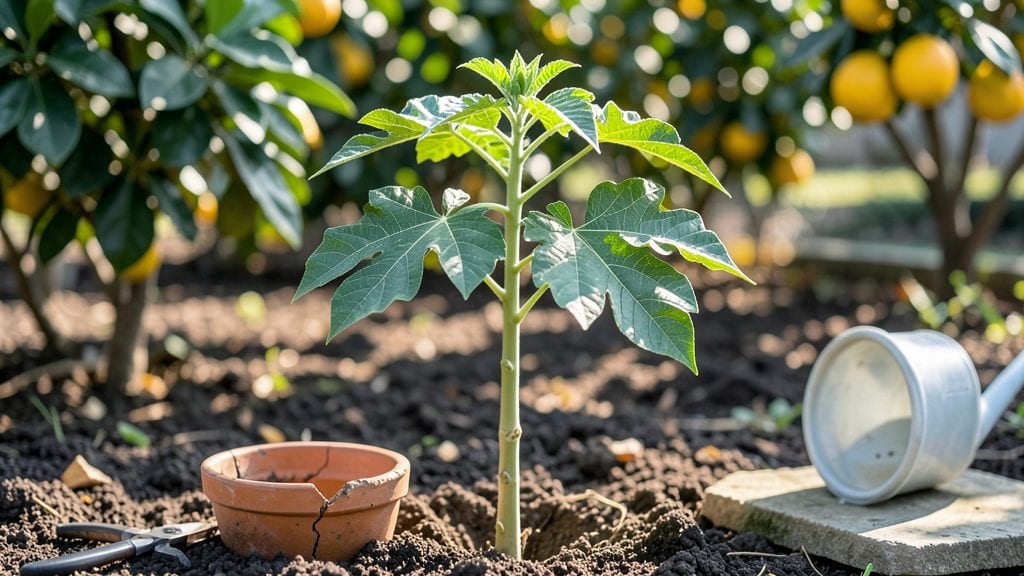
Growing a papaya plant from seedling feels like racing against the clock—those first weeks decide whether you get a thriving tree or a sad, leggy disappointment. ✨ I’ve watched seeds sprout into sturdy seedlings in just 10 days when I follow the right steps, and I’m sharing exactly how to pull it off without the guesswork.
The secret isn’t complicated—it’s about warmth, moisture, and light working together. You’ll need a heat mat or warm spot (75–85°F keeps things moving), a mix of potting soil and perlite for drainage, and a humidity dome or plastic wrap to lock in moisture.
Most people overwater or let the soil dry out, and that’s when seedlings stretch toward the light like they’re begging for help.
By week 3, you’ll see thick, vibrant leaves and a stocky stem—proof you’ve got a healthy start. The key is keeping the soil damp (not soggy) and moving seedlings to brighter light as soon as they outgrow their first container.
No more floppy, weak plants that collapse under their own weight.
This method works for both indoor starts and transitioning to outdoor pots once temperatures stay above 60°F at night. Let’s get those seeds sprouting fast—no waiting around for slow starters.
📚 In This Guide
- What you need
- Instructions
- Tips and common mistakes
- Wrapping up and next steps
What you need
- ● Papaya seeds: 3–5 fresh, plump seeds (harvested from ripe papaya fruit or purchased from a nursery).
- ● Seed-starting mix: 1–2 cups of lightweight, well-draining potting soil (e.g., coco coir + perlite mix, 70:30 ratio).
- ● Small pots or seed trays: 2–4 biodegradable pots (3–4 inches deep) or a seed tray with drainage holes.
- ● Plastic wrap or clear lid: To create a humidity dome (e.g., a ziplock bag or humidity tent).
- ● Spray bottle: For gentle watering (avoid over-saturating seeds!).
- ● Grow lights or sunny windowsill: A warm spot with indirect light (70–85°F) or a 12-hour daily light source.
- ○ Fertilizer (optional but helpful): A diluted liquid fertilizer (e.g., fish emulsion or seaweed extract, 1:10 ratio) for seedlings.
- ● Heat mat: Keeps soil warm (80–90°F) to speed up germination (especially in cooler climates).
- ● Humidity dome kit: Pre-made plastic domes for consistent moisture control.
- ● pH test kit: Ensures soil pH is 6.0–6.5 (ideal for papaya seedlings).
- ● Transplanting tools: Small hand trowel and biodegradable pots for easy repotting.
- ● Label markers: To track seedling progress (e.g., "Papaya Seedling – Week 1").
Step-by-Step instructions for growing papaya seedlings quickly
Here's how to get your tropical fruit tree off to a flying start in just days.
🌱 Step 1: Prepare the Germination Medium
Papaya seeds need a warm, moist environment to sprout fast. Mix the 2 cups of coconut coir with 1 cup of perlite in a clean container—this creates the perfect airy, moisture-retentive mix. I like to pre-moisten the coir with warm water until it feels like a damp sponge but doesn't drip. The perlite prevents compaction while keeping roots oxygenated.
Fill small 2-inch pots (you'll need 4) about ¾ full with this mix. Tap each pot gently on the counter to settle the medium without compacting it. The goal is a fluffy, well-draining base where seeds can easily push through. Place the pots in a warm spot—75-85°F is ideal, which you can achieve with a seedling heat mat or by placing them near a sunny window.
🌱 Step 2: Plant the Seeds for Fast Sprouting
Carefully open the papaya seed packet and remove the seeds—papaya seeds are large and easy to handle. Plant one seed per pot at a depth of about ½ inch, pressing it gently into the moist medium. The seed's flat side should face down to encourage upward growth. Cover it lightly with a thin layer of the coir-perlite mix, just enough to obscure the seed but not bury it deeply.
Mist the surface of each pot with lukewarm water until the top layer looks evenly damp. Avoid soaking the mix—papaya seeds rot quickly if waterlogged. Place the pots in a clear plastic bag or under a humidity dome to trap warmth and moisture. This creates a mini greenhouse effect that speeds up germination. Check daily for condensation on the bag; if it's foggy inside, your humidity is perfect.
☀️ Step 3: Provide Warmth and Light for Rapid Growth
Papaya seedlings emerge quickly—within 5-10 days—if kept warm. Keep the pots in a spot where the temperature stays consistent at 75-85°F. A seedling heat mat works wonders here, or you can place them on top of your refrigerator. Once the first true leaves appear (not the initial seed leaves), remove the plastic bag immediately to prevent fungal issues.
Move the seedlings to a bright, indirect light spot right away. A south-facing window with 6+ hours of filtered light daily is ideal. If your light is weak, supplement with a grow light placed 4-6 inches above the seedlings. You'll see strong, dark green leaves within 2-3 weeks—this means your seedlings are thriving. If they stretch toward the light with pale, thin leaves, they need more intensity or a closer light source.
💧 Step 4: Water and Transplant at the Right Time
Water the seedlings gently but thoroughly when the top ½ inch of soil feels dry—about every 2-3 days. Use a spray bottle or small watering can to avoid disturbing the delicate roots. Papaya seedlings are sensitive to overwatering, so always let excess water drain completely. You'll know you're doing it right when the soil stays moist but not soggy, and the leaves stay plump and vibrant.
When the seedlings reach 4-6 inches tall (usually 4-6 weeks after planting), it's time to transplant them into 4-inch pots with potting mix. Handle the seedlings carefully by their leaves, not the stems, to avoid damaging the delicate growth. Fill the new pots with the potting mix, bury the seedling up to its first true leaves, and water lightly to settle the soil. This step encourages stronger root development and prepares them for eventual outdoor planting.
Tips & tricks for growing papaya seedlings quickly
Here's what I've learned to help your tropical fruit tree get off to the fastest possible start.
Temperature Matters: That 75-85°F range in Step 1 is non-negotiable for speedy germination. I've tried using room temperature (around 70°F) and it took nearly double the time. If your home runs cooler, place the pots on top of your refrigerator or use a seedling heat mat—this keeps the roots warm and speeds up the process. Trust me, those few extra degrees make all the difference when you're waiting for those first sprouts to appear.
Seed Orientation Secret: In Step 2, planting the seed with its flat side down isn't just a suggestion—it's crucial. I've seen seeds planted upright take weeks longer to sprout, if they sprout at all. The flat side contains the embryo, and positioning it downward mimics natural conditions where seeds would fall flat on soil. This small detail can cut your germination time by nearly half.
Humidity Hack: The plastic bag trick in Step 2 works wonders, but here's a pro move: poke a few small holes in the bag if you notice water droplets forming. Too much condensation creates a soggy environment that can lead to mold. You want the bag to stay slightly foggy but not dripping—this keeps humidity high without drowning your seeds. I check daily and adjust as needed to maintain that perfect balance.
Light Transition Tip: When moving seedlings to light in Step 3, don't rush it. Start with just 2-3 hours of indirect light the first day, then gradually increase exposure over 3-4 days. Sudden bright light can shock delicate seedlings, causing them to stretch or bleach out. I've seen seedlings that went straight to full sun develop pale, weak growth that never recovered. This gradual approach helps them develop strong stems right from the start.
Pro Tips for Papaya Plant Seedling
- Here's what I've learned to help your tropical fruit tree get off to the fastest possible start.
- Temperature Matters: That 75-85°F range in Step 1 is non-negotiable for speedy germination. I've tried using room tem...
- Seed Orientation Secret: In Step 2, planting the seed with its flat side down isn't just a suggestion—it's crucial. I...
Frequently asked questions
Got questions about growing papaya seedlings?
Here are answers to the most common ones to help you get started with confidence!
How long does it take for papaya seeds to germinate?
Papaya seeds typically sprout within 7–14 days when kept warm (75–85°F) and moist. For faster germination, soak seeds in warm water for 24 hours before planting. Patience is key—some varieties may take up to 3 weeks!
Can I grow papaya seedlings indoors before transplanting?
Start seeds indoors in small pots with well-draining soil, placing them near a sunny window or under grow lights. Keep soil consistently moist and maintain warmth. Transplant outdoors only after the last frost and when seedlings are 4–6 inches tall.
What’s the best soil mix for papaya seedlings?
Use a light, airy mix like 50% peat moss or coconut coir, 30% perlite, and 20% compost. Papayas hate soggy roots, so avoid heavy clay soil. A slightly acidic to neutral pH (6.0–7.0) works best. Pro tip: Add a handful of sand for extra drainage!
Why aren’t my papaya seeds sprouting?
Check these common issues:
- Cold temperatures (below 60°F) slow germination—use a heat mat if needed.
- Dry soil prevents sprouting—keep seeds moist but not waterlogged.
- Old or low-quality seeds may fail to germinate; opt for fresh, plump seeds.
- Poor seed viability—test a few seeds in a damp paper towel first.
Can I grow papaya from grocery store seeds?
Yes! Store-bought papaya seeds work, but germination rates may vary. Rinse seeds thoroughly to remove pulp, dry them, and plant as usual. For faster results, choose seeds from a ripe, organic papaya—avoid hybrid varieties, which may not produce fruit.
Wrapping up and next steps
Growing a papaya plant seedling from scratch is a rewarding journey that brings tropical vibes to your garden! 🌱 With the right seeds, soil, and care, you’ll soon enjoy vibrant flowers and sweet, juicy fruit. Remember, patience and consistency are key—your little sapling will thrive with love and attention.
Now that you’re armed with tips and tricks, take the first step today! Grab your seeds, prepare your space, and watch your papaya tree grow into a lush, fruiting wonder. Happy planting! 🌟