Size
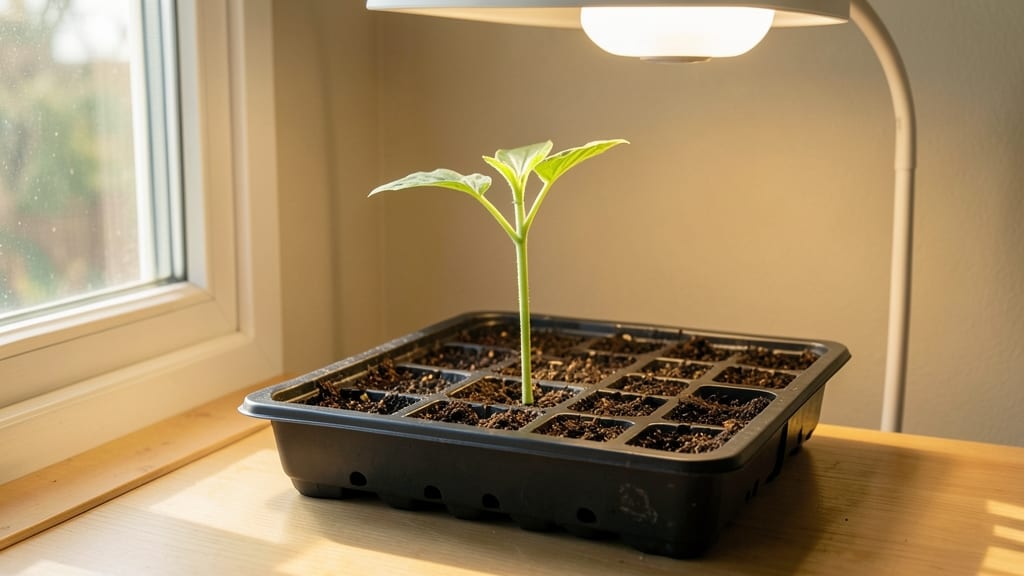
Growing sunflower seeds indoors can yield 8-foot-tall stalks with vibrant blooms—no backyard required. 🌻 I’ve watched seedlings stretch toward grow lights in my living room, proving that with the right setup, you can grow sunflowers even in apartments or shady homes.
The key is mimicking their outdoor needs indoors: strong light, deep containers, and patience for those dramatic growth spurts.
You’ll need just three core supplies: a 5-gallon container (or deeper), well-draining potting mix, and a grow light or sunny south-facing window. Sunflowers are heavy feeders, so a slow-release fertilizer at planting time keeps them from getting leggy.
Most varieties like ‘Moulin Rouge’ or ‘Russian Giant’ tolerate indoor conditions better than others—choose dwarf types if space is tight.
By week 6, you’ll see bold green leaves unfurling and stems thickening like tree trunks. The real magic happens when buds form—those fuzzy centers are worth the wait.
With proper light (14+ hours daily) and 1 inch of water when the top inch of soil dries, you’ll coax blooms that rival outdoor gardens. Even my first attempt produced a 6-foot sunflower that turned heads at my kitchen table.
Here’s the secret: rotate plants weekly so they don’t lean, and transplant into larger pots as they grow. Troubleshoot leggy seedlings by moving them closer to light immediately—no waiting.
Indoor sunflowers may not reach their outdoor height, but their bold colors and cheerful presence make up for it. Ready to grow your own indoor sunshine?
📚 In This Guide
- What you need
- Instructions
- Tips and common mistakes
- Wrapping up and next steps
What you need
- ● Sunflower seeds: Choose dwarf or compact varieties (e.g., 'Teddy Bear' or 'Moulin Rouge') for indoor growth. Buy 5–10 seeds per pot.
- ● Containers: Use pots with drainage holes (6–12 inches deep) or a large tray (12+ inches) for multiple seeds. Plastic or terracotta works!
- ● High-quality potting mix: A well-draining, seed-starting mix (avoid garden soil—it’s too dense!). A 5–10 lb bag should suffice.
- ● Grow lights: A full-spectrum LED grow light (12–18 inches above plants) or a sunlight window (south-facing, 6+ hours of light/day).
- ● Watering can or spray bottle: For gentle hydration—overwatering is the #1 killer!
- ○ Fertilizer (optional but helpful): A balanced liquid fertilizer (10-10-10 or 5-5-5) or compost tea to boost growth.
- ● Spray bottle: For misting seeds during germination.
- ● Trowel or small shovel: For planting seeds neatly.
- ● Plant labels: To track varieties (especially if growing multiple types!).
- ○ Humidity dome or plastic wrap: (Optional) Helps retain moisture while seeds sprout.
- ● Support stake or trellis: (For taller varieties) A bamboo stake or tomato cage to prevent toppling.
- ○ Thermometer/hygrometer: (Optional) To monitor ideal temps (70–75°F for germination).
Step-by-step instructions for growing sunflower seeds indoors
Here’s how to coax towering sunflowers from seeds—no outdoor space required.
🌱 Step 1: Prepare Containers and Planting Mix
Use 4-inch deep pots or a single shallow tray divided into sections for each seed—sunflowers grow fast and need room. Fill each with 2 gallons of well-draining potting mix (never garden soil; it compacts and suffocates roots). Tap the container gently to settle the mix, then moisten it until damp but not soggy to the touch. I like to add a handful of perlite to the mix for extra airflow.
Sunflowers hate soggy feet, so ensure your containers have drainage holes. If they don’t, drill a few yourself—this prevents root rot, which is a silent killer for young seedlings. Place a coffee filter over the holes to keep soil in while letting water out.
🌱 Step 2: Sow Seeds at the Right Depth
Plant one seed per pot at a depth of 1 inch—any deeper, and the seedling struggles to break through the soil. Use your finger to press the seed gently into the mix, then cover it lightly with an extra sprinkle of soil. Don’t pat it down; sunflower seeds need just enough pressure to stay in place without being buried too deep.
Water the soil around the seed with a spray bottle until it’s evenly moist. Avoid soaking the seed directly, as this can wash it away or create a muddy pocket that prevents germination. Place the pots in a warm spot—70-75°F is ideal—like on top of the fridge or near a sunny window.
☀️ Step 3: Provide Light and Monitor Germination
Sunflowers need 12-14 hours of bright light daily to grow strong. If your space lacks natural sunlight, supplement with a grow light positioned 6 inches above the seedlings. Raise it as the plants grow to maintain that distance—too close, and the leaves scorch; too far, and the stems stretch leggy.
Germination takes 7-14 days, depending on warmth and moisture. Once the first true leaves appear (not the initial seed leaves), remove any weak seedlings, leaving only the strongest one per pot. This ensures the plant puts all its energy into growing tall and sturdy, not competing with neighbors.
💧 Step 4: Water and Fertilize for Rapid Growth
Water when the top inch of soil feels dry—sunflowers are drought-tolerant but won’t thrive if left bone-dry. Use room-temperature water and pour it at the base, avoiding the leaves to prevent fungal diseases. Once the seedlings reach 6 inches tall, switch to a balanced liquid fertilizer (diluted to half-strength) every 2 weeks to fuel their rapid growth.
Here’s the thing—sunflowers grow fast. Within 4-6 weeks, you’ll see the first buds forming. At this stage, rotate the pots a quarter turn daily so the stem grows straight and doesn’t lean toward the light. If you notice yellowing leaves, it’s usually a sign of overwatering or too little light—adjust accordingly.
✂️ Step 5: Support and Harvest for Long-Stemmed Blooms
When the stems reach 3 feet tall, they’ll need support. Insert a sturdy stake or bamboo pole into the soil beside each plant and gently tie the stem to it with soft twine or a fabric strip. Sunflowers can get top-heavy, and without support, they’ll flop over. Check the ties weekly—don’t cinch them too tight as the stem thickens.
Harvest when the back of the bloom turns yellow and the petals begin to droop. Cut the stem at a 45-degree angle just above a leaf node to encourage regrowth. If you’re growing multiple plants, deadhead the spent blooms to redirect energy into new flowers—you’ll be amazed at how many follow the first.
Tips & tricks for perfect indoor sunflower growth
Sunflowers might seem like outdoor plants, but with the right approach, you can grow them indoors just as successfully. These tips will help you avoid common pitfalls and maximize your chances of towering indoor blooms.
Temperature Consistency: Maintaining that 70-75°F range is crucial, especially during germination. I place my pots on top of the fridge during this stage because it creates a consistent warm environment. Avoid placing them near drafty windows or air conditioning vents, which can cause temperature swings that slow down or even stop germination. A simple thermometer near your plants can help you monitor this critical factor.
Lighting Strategy: The 12-14 hours of bright light requirement is non-negotiable for strong stems. I've found that positioning a grow light on a timer automates this perfectly—set it to come on at 6 AM and turn off at 8 PM. If using natural light, rotate your plants daily to prevent them from leaning toward one side. I notice the biggest difference in plant health when I maintain this light discipline, especially in winter months when daylight is limited.
Container Depth Matters: Those 4-inch deep pots might seem shallow, but they're perfect for sunflowers. Deeper pots can lead to waterlogging, which causes root rot—the silent killer of indoor plants. If you're concerned about stability as they grow, choose wider pots rather than deeper ones. I've had great success with 6-inch diameter pots that provide stability while maintaining the right depth for root development.
Fertilizer Timing: Once your seedlings hit 6 inches tall, you can introduce that half-strength liquid fertilizer every 2 weeks. I like to use a fish emulsion or seaweed-based fertilizer because they provide micronutrients that support rapid growth. The key is to fertilize in the morning so the roots have time to absorb nutrients before the plant enters its resting phase at night. Over-fertilizing at this stage can actually burn young roots, so always dilute to half-strength.
Pro Tips for Grow Sunflower Seeds Indoors
- Sunflowers might seem like outdoor plants, but with the right approach, you can grow them indoors just as successfull...
- Temperature Consistency: Maintaining that 70-75°F range is crucial, especially during germination. I place my pots on...
- Lighting Strategy: The 12-14 hours of bright light requirement is non-negotiable for strong stems. I've found that po...
Frequently asked questions
Got questions about growing sunflower seeds indoors? You’re not alone! Here are answers to the most common queries to help you nurture your tiny sunflowers like a pro.
Can I grow sunflower seeds indoors year-round?
Yes, but with a catch! Sunflowers thrive best with 12–16 hours of light daily. Use a grow light (LED or fluorescent) to supplement natural light, especially in winter. Without enough light, they’ll grow leggy or fail to bloom. A sunny windowsill works temporarily, but consistency is key!
How long does it take for sunflower seeds to sprout indoors?
Most sunflower seeds sprout in 7–14 days when kept in warm, moist soil (70–75°F). If your seeds take longer, check moisture levels—soil should stay damp but not soggy. Patience is key; some varieties (like ‘Moulin Rouge’) may sprout faster than giant types like ‘Russian Giant.’
What if my sunflower seedlings look weak or yellow?
Weak or yellow seedlings often signal overwatering, poor light, or nutrient deficiency. Adjust care by:
- Watering only when the top inch of soil is dry.
- Moving them closer to a light source (or upgrading to a stronger grow light).
- Fertilizing lightly with a balanced liquid fertilizer (diluted to half-strength).
Can I transplant indoor-grown sunflowers outside later?
Once seedlings have 3–4 true leaves and are at least 6 inches tall, they’re ready for outdoor transplanting. Harden them off by gradually exposing them to outdoor conditions (1–2 hours daily) over 5–7 days. Choose a spot with full sun (6+ hours daily) and well-draining soil for the best results.
What’s the best sunflower variety for indoor growing?
Not all sunflowers thrive indoors. Opt for compact or dwarf varieties like:
- ‘Teddy Bear’ (3–4 feet tall, great for containers).
- ‘Moulin Rouge’ (2–3 feet, vibrant red blooms).
- ‘Sunspot’ (2–3 feet, disease-resistant).
What if my sunflower doesn’t bloom indoors?
Indoor sunflowers may skip blooming due to lack of light, space, or maturity. To encourage flowers:
- Ensure they get 14+ hours of light daily (supplement with grow lights if needed).
- Use a larger container (5+ gallons) for taller varieties.
- Be patient—some dwarf varieties bloom in 8–10 weeks, while others take longer.
Wrapping up and next steps
Growing sunflower seeds indoors is a rewarding way to bring nature’s joy into your space—no sunlight required! 🌱 With the right setup, patience, and a little care, you’ll soon be watching those cheerful blooms reach for the sky.
Start small, experiment with varieties, and don’t forget to share your progress with fellow plant enthusiasts.
Ready to take the next step? Try transplanting your seedlings outdoors (if possible) or explore other indoor gardening projects to keep the green thumb growing! 🌟