
Lawn
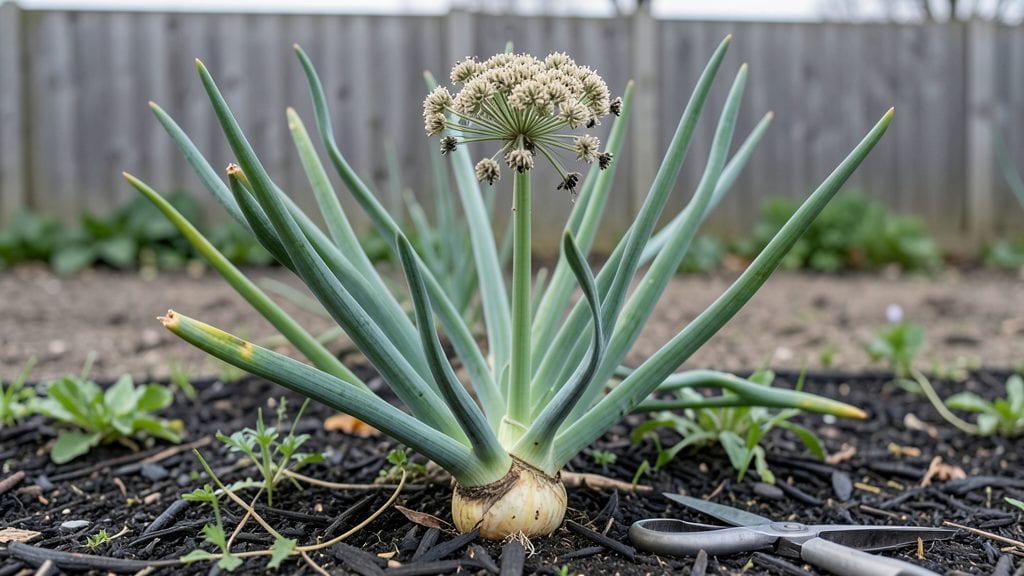
Onion seed pods turn your garden into a living privacy screen faster than you’d think. 🌱 I’ve grown onions from seed for years, and the secret to a thick, lush barrier isn’t buying expensive plants—it’s saving and replanting these little powerhouses.
The first year gives you a decent start, but by year three, you’ll have a dense, fragrant hedge that blocks noise and prying eyes.
Harvesting the pods is simpler than it looks. Wait until the umbels (those flower clusters) turn brown and papery, then snip them off and let them dry in a paper bag. Once brittle, rub the pods between your hands to release the seeds—store them in an envelope until spring.
The key? Plant them shallow, just a quarter-inch deep, and space them 6 inches apart for full, bushy growth.
You’ll see the first green shoots in about two weeks, and by summer, those onions will be tall enough to provide real privacy. The best part? These plants multiply every year, so your screen gets thicker without extra work.
Just watch for bolting (when onions flower early)—it’s usually a sign they need more consistent water or cooler soil.
Perfect for fences, property lines, or even container growing along patios. Once you try it, you’ll never buy onion plants again—they’re free, productive, and give you that satisfying gardener’s payoff every season.
📚 In This Guide
- What you need
- Instructions
- Tips and common mistakes
- Wrapping up and next steps
What you need
- ● Onion seed pods (or onion sets): Choose Allium cepa or ornamental varieties like Allium giganteum (giant onion) for height (3–5 ft).
- ● Quantity: 50–100 pods per 10-foot row (adjust based on desired density).
- ● Well-draining soil: pH: 6.0–7.0 (test with a soil kit if unsure).
- ● Amend with compost or aged manure (1–2 inches mixed into top 6 inches of soil).
- ● Sunlight: Full sun (6+ hours daily)—partial shade may reduce flowering.
- ● Water: Drip irrigation or soaker hose (avoid overhead watering to prevent fungal diseases).
- ● Fertilizer: Balanced 10-10-10 NPK fertilizer at planting (follow label rates).
- ● Slow-release osmocote (3–4 months) for established plants.
- ● Garden trowel or transplanter (for digging holes).
- ● Rake or hoe (to loosen soil).
- ● Measuring tape or string (to mark rows, 12–18 inches apart).
- ○ Gloves (optional but recommended for handling soil/seed pods).
- ● Mulch (straw or wood chips) (1–2 inches to retain moisture).
- ● Row covers or frost cloth (for early planting in cold climates).
- ● Epsom salt (magnesium sulfate) (1 tbsp per gallon of water monthly for greener foliage).
- ● Companion plants: Marigolds (to deter pests) or thyme (improves growth).
- ● Trellis or stakes (if growing tall varieties like Allium giganteum).
How to grow onion seed pods for a privacy screen
This is the method I use to create a lush, low-maintenance privacy barrier that matures in just three seasons.
🌱 Step 1: Choose the Right Onion Varieties
Select evergreen onion varieties like 'Beluga', 'Everest', or 'Walking Onion' for year-round coverage. These types produce dense foliage and multiply easily through seed pods. I plant a mix of 4-6 different varieties to ensure continuous blooming and foliage production throughout the year.
Purchase bare-root plants or small pots from a nursery—avoid seed packets, as they take too long to establish. Look for plants with thick, firm bulbs and healthy green tops. The more established the plant, the faster your screen will fill in.
🪴 Step 2: Prepare the Planting Site
Onions thrive in full sun (at least 6-8 hours daily) and well-draining soil. If your site has heavy clay, mix in 2-3 inches of compost and 1 inch of coarse sand to improve drainage. I dig a trench 12-18 inches wide and 6 inches deep—this gives roots room to spread and creates a natural barrier.
Space plants 6-8 inches apart in rows 12 inches apart for a dense screen. Water the trench deeply before planting to settle the soil. If planting in fall, do it 4-6 weeks before the first frost—this gives roots time to establish before winter.
💧 Step 3: Plant and Water for Establishment
Place each onion plant in the trench with the bulb just below soil level—this prevents rot while allowing foliage to grow upright. Cover with soil and firm gently. I water immediately after planting to eliminate air pockets around the roots. Use 1 gallon of water per plant to ensure deep saturation.
Keep soil moist but not soggy for the first 2-3 weeks. You’ll know moisture is right when the surface feels damp but not glistening. Mulch with 2 inches of straw to retain moisture and suppress weeds. Avoid fertilizing for the first 4-6 weeks—new plants need time to adjust.
☀️ Step 4: Maintain Through the First Year
Water 1-2 times per week during dry spells, aiming for 1 inch of water per week. Onions are drought-tolerant once established, but young plants need consistent moisture. You’ll see new growth within 2-3 weeks—this is your sign the plants are thriving.
Fertilize lightly in early spring with a balanced 10-10-10 fertilizer (1 tablespoon per plant). Avoid high-nitrogen feeds, which encourage leafy growth over bulb development. Deadhead spent flowers in late summer to redirect energy into foliage growth rather than seed production.
✂️ Step 5: Encourage Spread and Fill Gaps
By year two, your onions will multiply through seed pods and offsets. Thin seedlings to 6 inches apart in early spring to maintain density. I divide clumps every 2-3 years to prevent overcrowding—dig up sections, replant, and share extras with neighbors.
Watch for yellowing leaves in late summer—this signals maturity. Trim back one-third of the foliage in early fall to stimulate new growth. With proper care, your screen will reach 3-4 feet tall by year three, providing full privacy without fences or screens.
Tips & tricks for perfect onion seed pod privacy screens
Here's how I've learned to maximize growth and minimize common pitfalls when creating your living privacy barrier.
Variety Selection: Don't just grab any onions! The evergreen varieties like 'Beluga' and 'Walking Onion' are specifically bred for their ability to produce dense foliage and multiply through seed pods. I've found that planting 4-6 different varieties ensures continuous blooming and foliage production throughout the year. The more diversity you have, the more reliable your screen will be against seasonal changes.
Soil Preparation: The trench dimensions matter more than you might think. Digging 12-18 inches wide and 6 inches deep creates the perfect environment for root spread while establishing that natural barrier effect. For heavy clay soil, I've learned the hard way that mixing in 2-3 inches of compost and 1 inch of coarse sand makes all the difference in drainage. This prevents waterlogging that can rot onion bulbs before they even get established.
Planting Depth: Planting with the bulb just below soil level might seem counterintuitive, but it's crucial for preventing rot while allowing foliage to grow upright. I've seen too many people plant too deep and end up with stunted growth. The key is to cover just enough to protect the bulb while leaving the green tops exposed to sunlight. This simple adjustment can make the difference between a thriving screen and one that struggles.
Watering Strategy: That first 2-3 weeks of keeping soil moist but not soggy is critical. I've developed a simple test: run your finger about an inch into the soil. If it feels damp but not wet, you're golden. Overwatering can lead to bulb rot, while underwatering stresses young plants. Once established, these onions are surprisingly drought-tolerant, but you'll see new growth within 2-3 weeks if you're doing it right.
Pro Tips for Onion Seed Pods
- Here's how I've learned to maximize growth and minimize common pitfalls when creating your living privacy barrier.
- Variety Selection: Don't just grab any onions!
- Soil Preparation: The trench dimensions matter more than you might think.
Frequently asked questions
Got questions about growing onion seed pods (also known as Allium cepa) for a fast, natural privacy screen? Here are some of the most common ones—and their answers!
How long do onion seed pods actually take to mature into a privacy screen?
Onion seed pods (like Allium cepa varieties) grow quickly, but they won’t provide a full privacy screen overnight. Expect 1–2 years for moderate coverage and 3 years for a dense, mature hedge. Planting in spring ensures faster growth, while fall planting may slow things down slightly due to winter dormancy.
Can onion seed pods survive in cold climates?
Onion seed pods are hardy in USDA zones 3–10, making them ideal for cold climates. They thrive in full sun and well-draining soil. In freezing winters, mulch around the base to protect roots. Just avoid soggy soil—drainage is key to preventing rot.
What’s the best alternative if onion seed pods don’t grow well in my area?
If your soil or climate isn’t ideal, try these fast-growing alternatives:
- Russian olive (drought-tolerant, 6–10 ft tall in 3 years)
- Privet hedges (dense foliage, grows 2–3 ft per year)
- Bamboo (clumping types) (fast but invasive—plant carefully!)
- Hornbeam trees (slow but long-lived, great for structure)
For a non-invasive option, evergreen clethra is a great choice too!
Why are my onion seed pods turning yellow or dying?
Yellowing or wilting can mean a few things:
- Overwatering – Onion seed pods hate soggy roots. Let soil dry slightly between waterings.
- Pests – Check for onion flies or aphids. Neem oil or insecticidal soap helps.
- Nutrient deficiency – Add compost or a balanced fertilizer (10-10-10) in early spring.
- Fungal disease – If leaves look mushy, improve airflow and avoid wetting foliage.
Pro tip: If only a few plants are struggling, transplant them to a sunnier spot—onion seed pods love full sun!
Do onion seed pods need pruning, and when?
Yes! Prune in early spring (before new growth) to shape the hedge and encourage bushiness. Trim back 1/3 of the growth to maintain density. Avoid heavy pruning in fall—it can stress the plant before winter. Use clean, sharp shears to prevent disease.
Wrapping up and next steps
Onion seed pods offer a low-maintenance, fast-growing, and eco-friendly way to create a natural privacy screen that thrives year-round. With minimal effort—just sunlight, soil, and patience—you can transform your yard into a lush, green sanctuary in just three years.
Whether you're a gardening newbie or a seasoned green thumb, these hardy plants are a game-changer for privacy without the fuss!
Ready to take the next step? Start small—plant a few pods this season and watch your vision grow! 🌱💚