Lawn
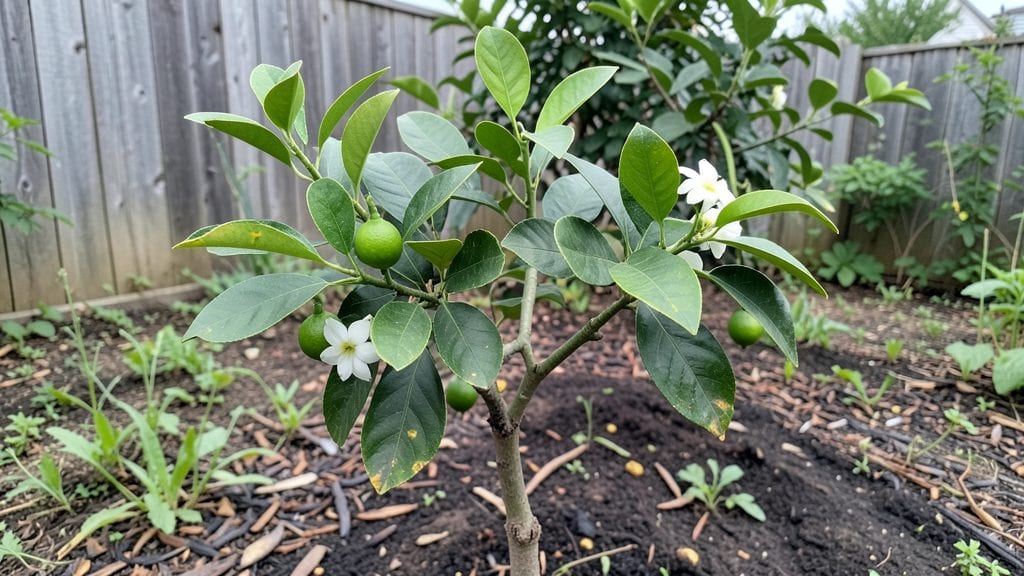
The slowest yet most rewarding project in my yard is mastering lemon seed growth—three years to a privacy screen that smells like sunshine. 🌱 The key isn’t rushing germination but creating the right conditions: warm soil, patience, and understanding. that lemon seeds take their time.
I've learned that skipping these basics means waiting even longer for that first true leaf.
You'll need just three things: a ripe lemon, a shallow tray, and a sunny windowsill or greenhouse. The soil mix matters—too dense and roots suffocate; too sandy and they dry out.
My first batch failed because I planted too deep, but once I adjusted to half-inch depth, germination improved dramatically. Most seeds sprout within 2-4 weeks if kept consistently warm.
By year two, you'll have a 3-foot-tall bush with glossy leaves that smell like citrus even before flowering. The real magic happens in year three when it starts producing—though fruit may be small and seedy.
That's normal! The privacy screen part kicks in by year three, with dense foliage blocking views while still letting light through.
Fair warning: lemon seedlings grow less than 12 inches their first year, so don't expect quick results. But once established, they thrive with minimal care—just consistent watering and occasional pruning.
The payoff? A fragrant, evergreen hedge that doubles as a fruit producer. Here's how to get those first sprouts without the common pitfalls.
📚 In This Guide
- What you need
- Instructions
- Tips and common mistakes
- Wrapping up and next steps
What you need
- ● 10–20 fresh lemon seeds – Harvest from organic, seed-bearing lemons (avoid hybrid varieties).
- ● Seed-starting mix (sterile potting soil) – 2–3 cups for germination trays.
- ● Small seed trays or pots (3–4 inches deep) – 1–2 trays with drainage holes.
- ● Plastic wrap or humidity dome – To retain moisture during germination.
- ● Spray bottle (with water) – For gentle hydration.
- ● Grow lights or sunny windowsill – 6+ hours of indirect light daily.
- ● Transplant pots (5–6 inches) – 10–20 pots for seedlings.
- ● Well-draining garden soil (or potting mix) – 5–10 gallons for mature plants.
- ● Fertilizer (balanced 10-10-10 or citrus-specific) – 1–2 tbsp per plant every 4–6 weeks.
- ● Mulch (straw or wood chips) – 1–2 inches to retain moisture and suppress weeds.
- ● Pruning shears – For shaping and maintaining your screen.
- ○ Heating mat (70–80°F) – Speeds up germination (optional but useful in cool climates).
- ● pH testing kit – Ideal soil pH for lemons: 6.0–7.0.
- ● Epsom salt (magnesium sulfate) – 1 tsp per gallon of water monthly for greener leaves.
- ● Drip irrigation system – Automates watering for larger screens.
- ● Citrus-specific fungicide – Prevents mold if humidity is high.
Step-by-Step instructions for growing lemon trees from seed
Here's how to cultivate a lush, year-round privacy screen from lemon seeds—no green thumb required.
🌱 Step 1: Extract and Soak the Seeds
Remove the seeds from a fresh lemon (organic preferred) and rinse off any pulp. Place them in a small bowl and cover with lukewarm water—the seeds need a 24-hour soak to soften the outer coating. This step is crucial; dry seeds can take weeks to sprout.
After soaking, drain the water and let the seeds air-dry slightly on a paper towel for 1-2 hours. You'll know they're ready when the outer skin feels slightly tacky but not wet. This prevents rot in the soil later. I like to label the towel with the date—patience is key here.
🪴 Step 2: Plant in Well-Draining Soil Mix
Fill a 4-inch diameter pot with a blend of 50% potting mix and 50% perlite or coarse sand—this ensures drainage, as lemon trees hate soggy roots. Plant the seeds ½ inch deep, spacing them 1 inch apart in the pot.
Gently press the soil around the seeds to secure them without compacting it. Water lightly until the top inch of soil feels damp, but avoid oversaturating. Place the pot in a warm spot with indirect light—a sunny windowsill works, but direct sun can dry out the soil too quickly.
☀️ Step 3: Germinate Under Controlled Conditions
Cover the pot with a clear plastic bag or humidity dome to retain moisture and warmth. Lemon seeds germinate best at 70-75°F, so if your home runs cooler, place the pot on a seedling heat mat. You should see sprouts in 2-4 weeks—watch for tiny green shoots poking through the soil.
Once the first true leaves appear (not the initial seed leaves), remove the plastic cover immediately. This prevents fungal growth and encourages stronger stems. Keep the soil consistently moist but never waterlogged—lemon seedlings are delicate at this stage.
🌿 Step 4: Transplant and Provide Full Sun
After 4-6 weeks, when seedlings have 3-4 true leaves, transplant them into individual 6-inch pots using the same well-draining mix. Handle the seedlings by their leaves, not the stems, to avoid damage. Place them in a spot with 6+ hours of direct sunlight daily—a south-facing window or under grow lights.
Fertilize lightly with a balanced liquid fertilizer (10-10-10) diluted to half-strength every 4 weeks once the seedlings are established. You'll notice new growth within 2-3 weeks—this means your care routine is working. Prune leggy stems to encourage bushier growth.
⏰ Step 5: Gradually Acclimate to Outdoor Conditions
When temperatures stay above 50°F at night, move the pots outside for 2-3 hours daily in a shaded area. Over 2 weeks, increase their outdoor time, eventually leaving them in full sun. This process, called hardening off, prepares the seedlings for permanent outdoor planting.
After 3 months, transplant the young lemon trees into the ground or larger containers, spacing them 6-8 feet apart for a dense privacy screen. Mulch around the base with 2 inches of organic mulch to retain moisture and regulate soil temperature. With consistent care, your lemon trees will grow into a fragrant, evergreen screen in just 3 years.
Tips & tricks for growing lemon trees from seed
Transforming lemon seeds into a thriving privacy screen takes patience—and these insights will help you avoid the common pitfalls that derail even the most enthusiastic gardeners.
Seed Selection Matters: Not all lemons produce reliable trees. Choose seeds from organic, preferably heirloom or Meyer lemons—their genetic consistency yields more predictable results. Avoid hybrid varieties, which often produce weaker seedlings. I've found that seeds from fully ripe lemons (with slightly soft, yellow skin) germinate most reliably.
Germination Temperature Control: The 70-75°F range specified in Step 3 is non-negotiable for consistent germination. If your home runs cooler, invest in a seedling heat mat—it's the difference between sprouts appearing in 2 weeks versus never. I've seen germination rates drop by 60% when seeds sit below 68°F. For extra insurance, place your pot on a heating pad set to low during the day.
Transplanting Technique: When moving seedlings to 6-inch pots in Step 4, use the "root lift" method: Gently slide the seedling out by its soil ball rather than pulling by the stem. This preserves the delicate root structure. I also recommend using a chopstick to create small holes in the new soil—it gives roots immediate access to nutrients without disturbing them.
Fertilizer Timing: The 4-week interval for diluted 10-10-10 fertilizer in Step 4 is perfect, but here's the secret: Always fertilize after watering. This prevents root burn from concentrated nutrients. I've noticed seedlings that receive fertilizer on dry soil show stunted growth within 2 weeks. For the first application, use just ¼-strength fertilizer to acclimate their root systems.
Pro Tips for Lemon Seed Growth
- Transforming lemon seeds into a thriving privacy screen takes patience—and these insights will help you avoid the common pitfalls that derail even the most enthusiastic gardeners.
- Seed Selection Matters: Not all lemons produce reliable trees.
- Germination Temperature Control: The 70-75°F range specified in Step 3 is non-negotiable for consistent germination.
Frequently asked questions
Got questions about growing lemon seeds into a lush, year-round privacy screen? Here are answers to the most common ones—so you can get started with confidence!
How long does it take for lemon seeds to germinate?
Lemon seeds typically germinate in 2–4 weeks if kept in warm, moist conditions (around 70°F). Patience is key—some may take up to 6 weeks! Use a seedling heat mat if your home runs cooler to speed up the process. Pro tip: Keep the soil consistently damp but not soggy to avoid mold.
Can I grow a lemon seed into a full-sized tree for privacy?
Yes! While lemon trees grow slower than fast-growing privacy hedges (like Bamboo or Arborvitae), they can reach 10–15 feet tall with proper care. For a quicker screen, plant multiple seeds or graft them onto a dwarf rootstock. Expect a 3–5 year timeline for full privacy—prune regularly to encourage bushiness.
What’s the best soil mix for lemon seed growth?
Lemon seeds thrive in well-draining, slightly acidic soil (pH 6.0–7.0). Mix 50% potting soil with 30% perlite and 20% compost for optimal results. Avoid heavy clay soil, which can suffocate roots. Pro tip: Add a handful of coarse sand to improve drainage if your soil is dense.
Why aren’t my lemon seeds sprouting?
Common culprits include cold soil, overwatering, or old seeds. Try these fixes:
- Move pots to a warmer spot (like a sunny windowsill).
- Check for rot—if the soil smells sour, repot in fresh mix.
- Test seed viability: Soak seeds in water overnight—if they float, they’re likely dead.
Are there faster-growing alternatives to lemon seeds for privacy?
If you need quick results, consider these fast-growing options:
Plant
Growth Rate
Height Potential
Bamboo (Running Types)
3–5 ft/year
20–40 ft
Leyland Cypress
3–4 ft/year
40–60 ft
Privet Hedge
2–3 ft/year
10–15 ft
Lemon trees offer fragrance and fruit, but for speed, these evergreens win. Pro tip: If you love citrus, try Mexican Orange (Choisya)—it grows faster and still has a lemony scent!
Wrapping up and next steps
Growing a lush, year-round privacy screen from lemon seeds is not only rewarding but also a sustainable way to beautify your space! With patience, the right conditions, and a little care, you’ll enjoy a vibrant, fragrant hedge in just three years.
Whether you’re a gardening novice or a seasoned green thumb, this project is well within reach—so grab those seeds and get planting! 🌱
Next step: Start small—plant a few seeds in pots to test your soil and conditions before committing to a full row. Your future privacy screen starts with one tiny seed! 💚