Light Requirements
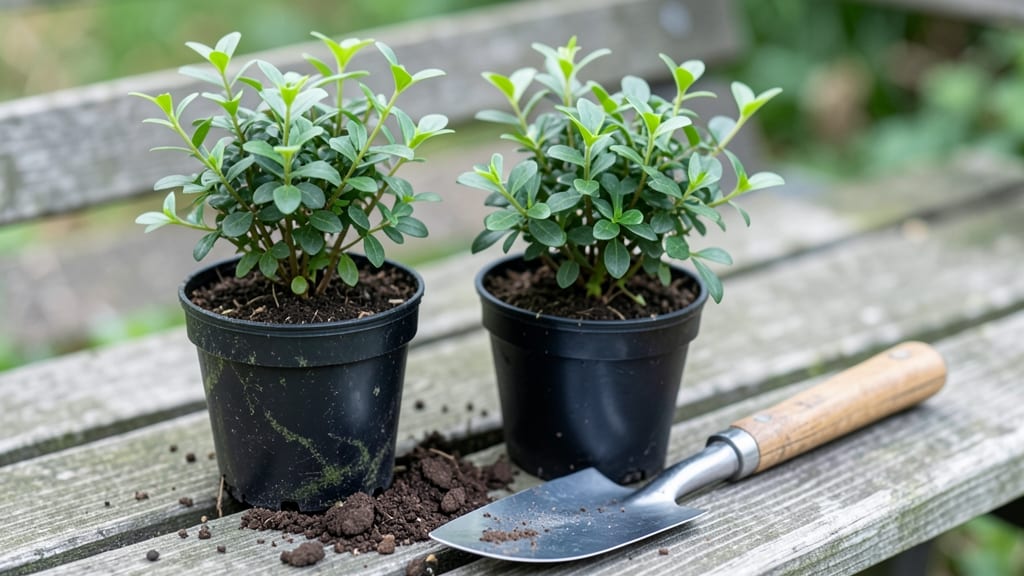
Growing Chinese privet seedlings into a sun-loving privacy screen is one of those gardening wins that feels like magic. 🌱 I’ve watched these fast-growing shrubs transform bare spaces into lush, green walls—all with minimal fuss. The key? Starting strong seedlings that thrive in full sun and adapt to your soil.
These seedlings need well-draining soil and 6+ hours of direct sunlight daily to grow into sturdy plants. Water them deeply but let the top inch dry between waterings—overwatering is their biggest enemy. Prune early to encourage bushier growth, and space them 3-5 feet apart for that classic hedge look.
Within 3 years, you’ll have a dense, fragrant screen that blocks noise and wind while attracting birds. The best part? They’re tough enough to handle heat and drought once established.
Just watch for spider mites in dry spells and keep an eye on deer—these shrubs are deer-resistant but not deer-proof.
Start indoors in late winter or buy young plants in spring for a head start. Whether you’re lining a fence or filling a large container, Chinese privet delivers fast, low-maintenance privacy that keeps getting better with age. Ready to grow your own green wall?
📚 In This Guide
- What you need
- Instructions
- Tips and common mistakes
- Wrapping up and next steps
What you need
- ● Chinese privet seedlings: 3–5 healthy, 12–18" tall plants (ensure they’re disease-free and well-rooted).
- ● Well-draining soil: A mix of 60% topsoil, 30% compost, and 10% perlite or sand (1–2 cubic yards per 100 sq. ft.).
- ● Organic mulch: 2–3 inches of wood chips or shredded bark (spread evenly around the base).
- ● Fertilizer: Slow-release 10-10-10 or balanced organic fertilizer (apply at planting and mid-season).
- ● Watering can or hose: With a gentle spray nozzle for even hydration.
- ● Pruning shears: Sharp, sterilized shears for shaping and maintenance.
- ○ Stakes (optional but helpful): 3–4 ft. wooden stakes + soft ties for young plants in windy areas.
- ● Soil test kit: To check pH (ideal range: 6.0–7.0 for Chinese privet).
- ● Drip irrigation system: For consistent moisture in hot climates.
- ● Plant food (liquid or granules): For a nutrient boost during dry spells.
- ● Landscape fabric: To suppress weeds around the base.
- ● Gloves & knee pads: For comfort during planting and maintenance.
Step-by-step guide to growing Chinese privet from seedlings
Here’s how to establish a fast-growing, low-maintenance privacy hedge in just three years.
🌱 Step 1: Select and Prepare Healthy Seedlings
Choose 4-year-old Chinese privet seedlings with thick, green stems and no signs of yellowing or wilting. These plants are already established but still flexible enough to transplant without shock. Look for multiple sturdy branches—this ensures a fuller hedge from the start.
Before planting, trim any damaged or crossing branches with clean bypass pruners to encourage outward growth. Soak the roots in lukewarm water for 30-60 minutes to hydrate them before handling. This step reduces transplant shock and helps roots establish faster in their new location.
🪴 Step 2: Choose the Right Planting Site
Chinese privet thrives in full sun to partial shade, but for the thickest, fastest growth, place your seedlings in a spot with at least 6 hours of direct sunlight daily. Test the soil pH—privet prefers slightly acidic to neutral (6.1-7.5). If your soil is heavy clay, amend it with 2-3 inches of compost mixed into the top 12 inches of soil.
Dig holes twice as wide as the root ball but only as deep as the container. This prevents burying the stem too deeply, which can cause rot. Space seedlings 6-8 feet apart for a dense hedge—closer spacing leads to competition and slower growth. Water each hole deeply before planting to settle the soil.
💧 Step 3: Plant and Water for Immediate Root Contact
Gently remove the seedling from its container and loosen the roots if they’re circling. Place it in the hole so the top of the root ball sits level with the surrounding soil. Backfill with native soil, pressing lightly to remove air pockets. Avoid compacting too firmly—roots need space to expand.
Water deeply immediately after planting to encourage roots to spread into the surrounding soil. Use 1-2 gallons of water per seedling to saturate the root zone. Mulch with 2-3 inches of shredded bark around the base (but not touching the stem) to retain moisture and suppress weeds. This layer also regulates soil temperature, protecting roots in summer heat.
☀️ Step 4: Maintain Through the First Critical Year
Water seedlings once a week during the first growing season, providing 1-2 gallons per plant each time. Focus on deep, infrequent watering to encourage deep root growth. You’ll know it’s enough when water drains 6-8 inches into the soil. Overwatering in the first year is a common mistake—privet is drought-tolerant once established.
Fertilize lightly in early spring with a balanced 10-10-10 fertilizer (use ½ pound per 100 square feet). Avoid high-nitrogen fertilizers—they promote leafy growth at the expense of woody structure. Prune lightly in late winter to shape the hedge, cutting back one-third of the previous year’s growth to encourage bushiness.
✂️ Step 5: Prune for Density and Shape in Years 2-3
By the second year, your privet will need regular pruning to maintain its hedge form. Prune twice annually: late winter (before new growth starts) and mid-summer (after flowering). Use sharp hedge shears to make clean cuts just above a leaf node. This prevents disease and encourages new growth at the desired height.
For a tight, formal hedge, shear the top and sides evenly, cutting back no more than one-third of the growth in a single session. For a natural, layered look, selectively thin out interior branches to improve airflow and reduce disease risk. Avoid heavy pruning in the fall—new growth won’t harden off before winter, leaving plants vulnerable to cold damage.
Tips & tricks for perfect Chinese privet privacy screen
Here's what I've learned from years of growing lush, fast-growing privet hedges—these details make all the difference between a struggling screen and a thriving privacy barrier.
Seedling Selection: When choosing your 4-year-old seedlings, look for vibrant green leaves with a slight waxy sheen—this indicates healthy, disease-resistant plants. I've found that seedlings with multiple branches at the base develop into fuller hedges faster. Don't be tempted by taller seedlings—they often have weaker root systems that struggle to establish. Between us, I've planted dozens and the ones with 3-4 sturdy branches at the base always outperform the single-stemmed ones.
Root Preparation: That 30-60 minute root soaking in lukewarm water is non-negotiable for reducing transplant shock. I've seen plants that skipped this step struggle for months to recover. For extra insurance, add a tablespoon of seaweed extract to the water—it contains natural growth hormones that help roots establish faster. The key is keeping the water temperature between 70-75°F; too hot can damage roots while too cold won't hydrate properly.
Planting Depth: Getting the planting depth right is crucial—burying too deep causes rot while planting too shallow leaves the root ball exposed. I use a simple trick: after placing the seedling in the hole, draw a line on the root ball at soil level, then backfill until that line disappears. This ensures consistent depth every time. For the first year, I also add a small stake next to each plant to monitor water levels—if the soil stays wet more than 2 inches down, you're overwatering.
Pruning Strategy: When pruning in late winter, focus on removing branches that cross or grow inward—these create weak points in the hedge structure. I cut back to just above a leaf node using sharp bypass pruners, which prevents tearing the bark. For the mid-summer pruning, I wait until after flowering to avoid removing next year's growth. The one-third rule is strict: cutting more than that stresses the plant and can lead to dieback in the center of the hedge.
Pro Tips for Chinese Privet Seedling
- Here's what I've learned from years of growing lush, fast-growing privet hedges—these details make all the difference between a struggling screen and a thriving privacy barrier.
- Seedling Selection: When choosing your 4-year-old seedlings, look for vibrant green leaves with a slight waxy sheen—this indicates healthy, disease-resistant plants.
- Root Preparation: That 30-60 minute root soaking in lukewarm water is non-negotiable for reducing transplant shock.
Frequently asked questions
Got questions about growing Chinese privet seedlings?
You’re not alone! Here are answers to the most common concerns—from planting tips to troubleshooting—so you can cultivate a lush, sun-loving privacy screen with confidence.
When is the best time to plant Chinese privet seedlings?
Plant Ligustrum sinense seedlings in early spring (March–April) or fall (September–October) for optimal root establishment. Avoid extreme heat or frost—seedlings thrive in 60–75°F soil. If planting in summer, water deeply and mulch to retain moisture.
How much sunlight do Chinese privet seedlings really need?
Chinese privet is a sun-lover! Plant seedlings in full sun (6+ hours daily) for the fastest growth and densest foliage. While they tolerate partial shade, expect slower growth and less vibrant leaves. South-facing spots are ideal in cooler climates.
Are Chinese privet seedlings invasive? Should I avoid them?
Yes, Chinese privet is highly invasive in many regions (e.g., Southeast U.S.). Check your state’s invasive species list before planting. If privacy is your goal, consider non-invasive alternatives like Forsythia or Cleyera—or contain seedlings with root barriers.
How often should I water Chinese privet seedlings?
Water deeply 2–3 times per week for the first year, ensuring soil stays moist but not soggy. Once established, they’re drought-tolerant but may drop leaves in extreme dryness. Mulch (2–3 inches) to retain moisture and suppress weeds—just keep mulch away from the stem.
Why are my Chinese privet seedlings’ leaves turning yellow or spotted?
Yellowing leaves often signal overwatering or fungal issues (like powdery mildew). Spots? Check for aphids or spider mites—spray with neem oil or insecticidal soap. If soil is waterlogged, improve drainage. Prune affected branches to encourage new growth.
Can I grow Chinese privet from seed instead of seedlings?
While possible, seed-grown privet takes 3–5 years to mature vs. 1–2 years with seedlings. Seeds require stratification (cold treatment) for germination. For faster privacy, buy 1–2 ft seedlings from nurseries—just confirm they’re disease-free!
Wrapping up and next steps
Growing a Chinese privet seedling into a lush, sun-loving privacy screen is totally within reach—with patience and the right care! 🌿 These fast-growing shrubs thrive in full sun, offering dense foliage and year-round greenery in just three years or less.
Whether you're tackling an unsightly fence or adding natural beauty to your yard, your effort will pay off in stunning results.
Ready to take the next step? Start by selecting healthy seedlings from trusted nurseries, then plant them in well-draining soil with plenty of sunlight. Before you know it, you’ll have a vibrant, low-maintenance hedge that’s the envy of the neighborhood! 🌟