Pruning
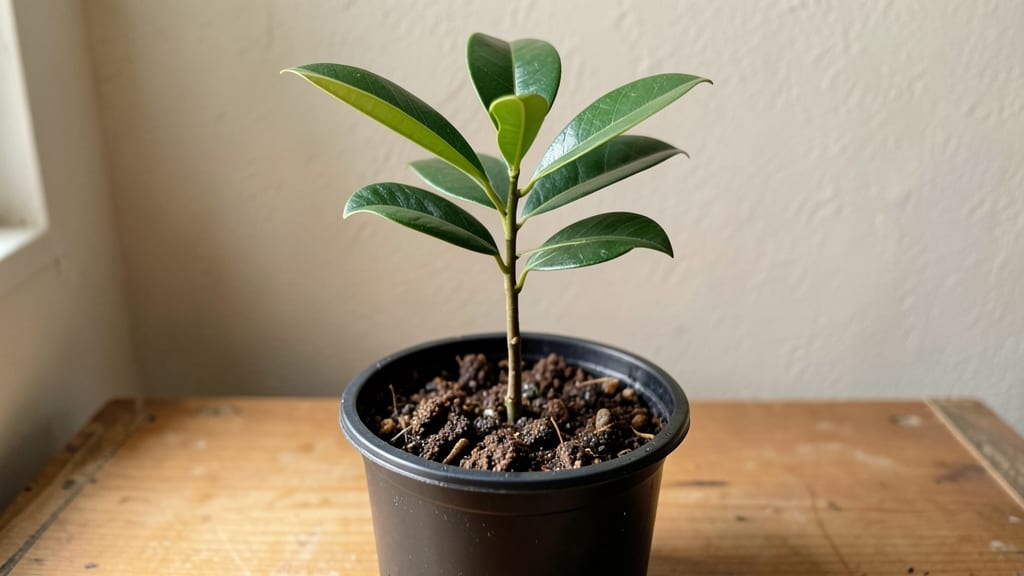
Growing a lychee tree from seedling feels like nurturing a tropical dream 🌿—and the humidity-dome method is how I finally cracked the code after years of struggling with dry starts. The key isn't just patience; it's creating the right microclimate where those tiny roots can take hold without stress.
My first attempt failed when I ignored the humidity factor, but once I mastered this technique, sprouts emerged within 10 days instead of weeks.
You'll need just five simple supplies: a clear plastic dome (or even a cut-off plastic bottle), a seedling tray, moistened sphagnum moss, a spray bottle, and a warm spot with bright, indirect light.
The dome traps moisture like a greenhouse, keeping the soil consistently damp without drowning the roots—a common beginner mistake that kills more seedlings than pests ever will. Think of it as giving your seedling a cozy, humid blanket until it's strong enough to handle regular air.
By week three, you'll see sturdy little stems pushing through the soil, their leaves unfurling with a waxy sheen that tells you they're thriving. The real magic happens when you gradually open the dome over 5-7 days, letting your seedling adjust to normal humidity.
This slow transition prevents shock, and soon you'll have a lush, 2-3 inch sapling ready for its forever home in a pot or garden bed.
The tropical nature of lychee trees means they're picky about temperature—keep them above 60°F at all times, and never let them sit in cold drafts. If you're in a cooler climate, this seedling will need a sunny indoor spot or a greenhouse to survive winter.
But with the right care, you're not just growing a plant; you're cultivating a piece of paradise that could bear fruit in 5-7 years—if you're patient enough to wait.
📚 In This Guide
- What you need
- Instructions
- Tips and common mistakes
- Wrapping up and next steps
What you need
- ● Lychee seeds: 5–10 fresh, plump seeds (harvested from ripe lychees; avoid dried or shriveled ones).
- ● Seed-starting mix: 1–2 lbs of well-draining, sterile potting soil (e.g., a blend of peat moss, perlite, and coconut coir in a 50/30/20 ratio). Pro tip: Avoid garden soil—it may harbor pathogens! 🌡️
- ● Small pots or trays: 3–4 biodegradable peat pots (2–3 inches in diameter) or a seedling tray with individual cells (for 10+ seeds).
- ● Humidity dome: A clear plastic clamshell propagator (6–12 inches wide) or a DIY alternative like a plastic bag + toothpicks to create a tent. 🌿
- ● Spray bottle: 8–16 oz with a fine mist nozzle (for gentle watering).
- ● Scissors or knife: For trimming seeds if needed (e.g., removing excess flesh).
- ● Label markers & tags: To track planting dates and seed varieties.
- ● Bottom heat mat: A 10x20-inch mat set to 75–85°F to speed up germination. ⚡
- ● Grow lights: LED or fluorescent lights (12–16 hours/day) if natural light is insufficient.
- ● Fungicide: A mild solution (e.g., neem oil or hydrogen peroxide) to prevent mold in the humidity dome.
- ● Humidity tray: A shallow tray filled with water + pebbles to boost moisture levels.
- ● Thermometer/hygrometer: To monitor temperature (ideal: 70–85°F) and humidity (80–90%).
Step-by-step instructions for propagating lychee tree seedlings
Here's how to coax those stubborn lychee pits into reliable seedlings using the humidity-dome method.
🌱 Step 1: Prepare the Seeds and Planting Medium
First, soak the lychee pits in warm water for 24 hours—this softens the tough outer shell and kickstarts germination. I like to use a small mesh bag so I don’t lose any in the sink. After soaking, plant each pit ½ inch deep in a 4-inch pot filled with a mix of 50% perlite and 50% peat moss. This blend drains well but holds enough moisture for delicate sprouts.
Tap the pot gently to settle the soil around the seed. The goal is firm but not compacted—you want roots to push through easily. Label each pot with the date and variety if you're working with multiple seeds. Lychee pits can take 4-8 weeks to germinate, so patience is key here.
💧 Step 2: Create the Humidity Dome
Cover each pot with a clear plastic dome or seal a plastic bag loosely around the pot, leaving a tiny gap for airflow. This traps warmth and humidity, which lychee seeds crave to break dormancy. Place the pots in a warm, shaded spot—think 75-85°F—like on top of a fridge or under a grow light. Avoid direct sun at this stage; it’ll bake the seeds.
Check the soil daily. It should stay moist but not soggy—think of a wrung-out sponge. If condensation forms on the dome, that’s good; if it drips, you’re overdoing it. Mist the inside of the dome lightly if the soil feels dry to the touch. This step is critical: too little moisture stalls germination, while too much causes rot.
☀️ Step 3: Monitor for Sprouts and Adjust Light
Once you see the first tiny green shoot—usually after 3-6 weeks—remove the dome immediately. Lychee seedlings are prone to damping-off, a fungal disease that thrives in damp, enclosed spaces. Place the pot under bright, indirect light for the first week. Direct sun now will scorch the delicate leaves.
You’ll know the light is right when the seedling grows straight up with dark green leaves. If it stretches toward the light or looks pale, move it closer. I like to rotate the pot ¼ turn daily so the seedling grows evenly. Avoid cold drafts—lychee trees hate temperature swings.
🪴 Step 4: Transplant When Ready
When the seedling reaches 4-6 inches tall and has 3-4 true leaves, it’s time to upgrade. Gently remove it from the pot, loosen the roots if they’re circling, and transplant into a 6-inch pot with well-draining potting mix. Bury the stem up to the first set of leaves—this encourages stronger root growth.
Water lightly after transplanting, then wait 3-4 days before watering again. This break helps the roots establish without drowning. Keep the new pot in bright, indirect light for another week before introducing it to partial sun. Lychee trees are tropical; they’ll thank you for mimicking their natural humid, warm environment.
Tips & tricks for perfect lychee tree seedlings
Here's what I've learned after watching dozens of lychee pits finally break through that stubborn shell—these tricks make all the difference.
Soaking Secret: The 24-hour soak is non-negotiable for lychee pits. I've tried shorter soaks and ended up with germination rates below 50%. Use warm water (around 85°F) to speed up the process—cold water just makes the pits stubborn. Confession: I skipped this step for years and wondered why my germination rates were so poor.
Soil Texture Matters: That 50/50 perlite to peat moss mix isn't just arbitrary—it's the Goldilocks zone for lychee roots. Too much peat holds too much moisture and risks rot, while too much perlite drains too fast. I like to give the soil a gentle squeeze: if it stays in a loose ball but crumbles when you poke it, you're golden.
Dome Maintenance: The humidity dome isn't a set-it-and-forget-it situation. I check mine twice daily because lychee seeds are finicky about moisture. If you see condensation dripping instead of just forming, that's your signal to lift the dome for 10 minutes to let excess moisture escape. This prevents the dreaded damping-off fungus that can kill seedlings overnight.
Light Transition Strategy: When you see that first tiny shoot after 3-6 weeks, don't rush to move it into full sun. I've made this mistake and ended up with crispy little seedlings. Start with bright, indirect light for at least a week, then gradually introduce a few hours of morning sun. Think of it like sunbathing—you wouldn't go from zero to full sun on day one, would you?
Pro Tips for Lychee Tree Seedling
- Here's what I've learned after watching dozens of lychee pits finally break through that stubborn shell—these tricks ...
- Soaking Secret: The 24-hour soak is non-negotiable for lychee pits. I've tried shorter soaks and ended up with germin...
- Soil Texture Matters: That 50/50 perlite to peat moss mix isn't just arbitrary—it's the Goldilocks zone for lychee ro...
Frequently asked questions
How long does it take for a lychee seedling to sprout using a humidity dome?
A lychee seedling typically sprouts within 2 to 4 weeks under ideal humidity-dome conditions (70-80% humidity, warm temps, and indirect light). Patience is key—some seeds may take up to 6 weeks if they’re older or less viable. Keep the dome sealed but check for condensation daily to avoid mold.
What should I do if mold grows inside the humidity dome?
Mold is a red flag—act fast! Remove the dome immediately and let the seedling air out for 10-15 minutes. Wipe the dome’s interior with a 1:9 hydrogen peroxide-to-water solution, then reseal with a freshly cleaned dome. If mold persists, increase airflow by propping the dome open slightly with a toothpick.
Can I use a plastic bag instead of a store-bought humidity dome?
A clear plastic bag with small holes (poke 2-3 with a needle) works just as well. Seal it loosely over the pot, leaving room for the seedling to grow. Just monitor for condensation—if it’s dripping, vent the bag daily to prevent rot. For extra humidity, place the bagged pot on a tray of damp pebbles.
Why did my lychee seedling’s leaves turn yellow?
Yellow leaves usually signal overwatering, poor drainage, or low light. Check the soil—it should stay lightly moist but not soggy. If the pot lacks drainage holes, repot immediately. Also, ensure the seedling gets bright, indirect light (like an east-facing window). A humidity dome can trap excess moisture, so lift it daily to inspect.
When is the best time to transplant a lychee seedling out of the humidity dome?
Transplant once the seedling has 2-3 true leaves (not just the initial seed leaves) and the dome is no longer needed for humidity—usually 4-6 weeks in. Harden it off first by gradually reducing dome time over 3-5 days. Use well-draining soil and a pot with drainage holes to avoid root rot.
Wrapping up and next steps
Growing lychee tree seedlings with a humidity dome is a rewarding way to ensure strong, healthy starts—especially for tropical fruit lovers! 🌱 By controlling moisture, temperature, and airflow, you’ll boost germination rates and give your saplings the best chance to thrive.
Whether you’re a seasoned gardener or just starting out, this method simplifies the process while keeping your plants happy.
Ready to take the next step? Once your seedlings sprout and grow a few inches tall, gradually acclimate them to open-air conditions by lifting the dome for short periods each day.
Before you know it, you’ll be nurturing a lush lychee tree that could one day bear sweet, fragrant fruit! 🍈