Propagation
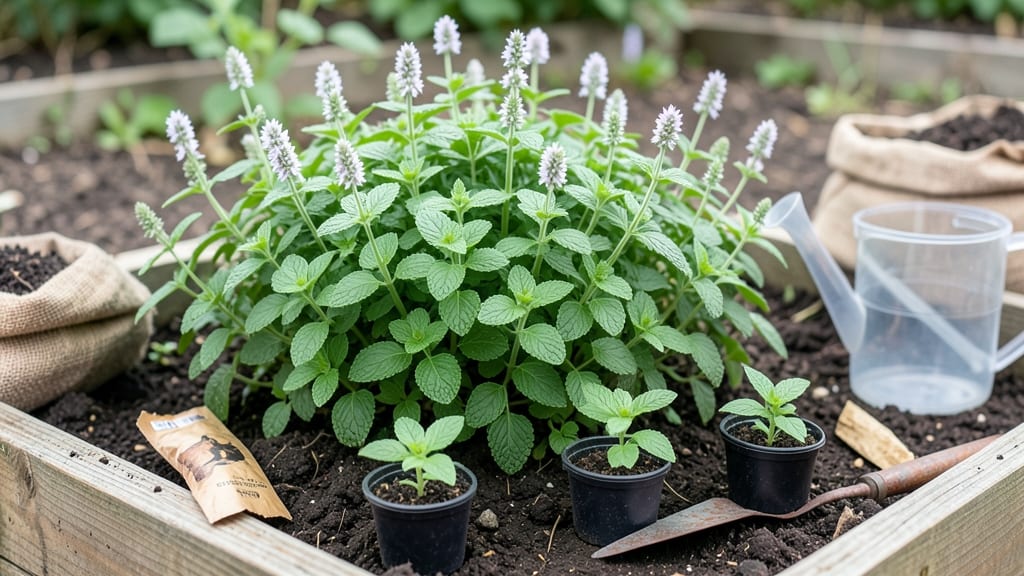
Growing peppermint from seed is shockingly fast—those tiny specks turn into fragrant, hardy plants in just 3-4 weeks under the right conditions. I’ve grown peppermint from seed three times now, and every batch outpaces my expectations, spreading faster than weeds and smelling like a minty fresh breeze.
The key isn’t just patience—it’s knowing when to keep things damp and when to let the soil dry slightly. Most beginners overwater, and that’s when the seeds rot before they even sprout.
You’ll need basic supplies: a shallow tray, well-draining potting mix, and a spray bottle for gentle watering. Peppermint thrives in cool weather, so start seeds indoors 6-8 weeks before your last frost or directly sow them in spring when soil temps hit 50°F.
The seeds are finicky about light—keep them in bright, indirect light until they sprout, then move them to a sunny spot. Once established, they’ll spread aggressively, so contain them in pots or a dedicated bed if you don’t want mint taking over.
By week 4, you’ll be pinching back the first sets of leaves to encourage bushier growth, and by summer, your plants will be ready for harvest. The leaves stay vibrant and fragrant all season, perfect for teas, cocktails, or even ornamental borders.
The best part? Peppermint is one of the few herbs that actually grows faster from seed than from cuttings, so you skip the hassle of rooting stems. Just don’t plant it near vegetables—its roots can crowd out neighbors.
If you’ve ever struggled with slow germination or leggy seedlings, this method fixes both. The secret is consistency: keep the soil moist but not soggy, and avoid moving the tray once seeds sprout.
Within 6-8 weeks, you’ll have a lush, productive mint patch that outshines store-bought pots. Ready to grow yours?
📚 In This Guide
- What you need
- Instructions
- Tips and common mistakes
- Wrapping up and next steps
What you need
- ● Peppermint seeds: 1 packet (about 50-100 seeds, non-GMO preferred for best flavor).
- ● Seed-starting soil: 1 bag (lightweight, sterile, and well-draining potting mix—avoid garden soil).
- ● Seed trays or small pots: 4-6 (3-4 inch diameter, with drainage holes).
- ● Grow lights or sunny windowsill: Access to 6-8 hours of direct sunlight or a grow light for seedlings.
- ● Spray bottle: For gentle watering (avoid over-saturating seeds).
- ● Plastic wrap or humidity dome: To retain moisture while seeds germinate.
- ● Plant labels: To track varieties (especially if growing multiple herbs).
- ○ Heat mat (optional): Speeds up germination (70-75°F is ideal).
- ● Fertilizer (balanced, water-soluble): For young seedlings (dilute to half-strength).
- ● Pruning shears: For harvesting and shaping plants later.
- ● Compost or worm castings: Boosts soil fertility once seedlings are established.
Step-by-Step instructions for growing peppermint from seed
Here's how to get your peppermint growing strong in just a few weeks.
Prepare Your Containers and Soil
Fill your 4-inch pots with 2 gallons of moistened seed-starting mix—peppermint roots need loose, well-draining soil to prevent rot. I press the mix down lightly with my fingers until it's firm but not compacted. The goal is to create a fine, crumbly texture that holds moisture without turning to mud.
Peppermint seeds are tiny, so I like to sprinkle a thin layer of fine sand (about ¼ inch deep) over the soil surface first. This creates a textured landing zone that helps seeds stay in place. Gently pat the sand down so it feels even and smooth—no clumps or uneven spots.
Sow the Seeds and Cover Lightly
Scatter the peppermint seeds evenly across the surface, spacing them about ½ inch apart. I use a small spoon to distribute them carefully—peppermint seeds are so fine that a single pinch can hold dozens. Don't press them into the soil; just let them rest on top.
Lightly cover the seeds with another ¼ inch of fine sand. This keeps them in place while allowing sunlight to reach them for germination. Mist the surface with water until it's damp but not soaked—you should see moisture beads form without pooling. Place the pots in a warm spot, ideally around 70-75°F, to encourage quick sprouting.
Provide Warmth and Consistent Moisture
Keep the soil consistently moist by watering gently every 2-3 days, or whenever the top ½ inch feels dry. Peppermint seeds germinate best in warmth, so I place a seedling heat mat underneath the pots—this keeps the soil 10°F warmer than room temperature. You should see tiny green sprouts in about 14-21 days.
Once the seedlings emerge, remove the heat mat immediately. Too much warmth after germination can cause leggy growth. Place the pots under bright, indirect light for the first week, then gradually introduce 4-6 hours of morning sun to strengthen the young plants.
Thin and Transplant for Stronger Growth
When seedlings reach 2 inches tall, thin them to 1 plant per pot by carefully snipping the weakest stems at the base with clean scissors. Peppermint grows aggressively, so giving each plant space now prevents overcrowding later. Water deeply after thinning to help the remaining plants establish roots.
After 4-6 weeks, transplant the strongest seedlings into 6-inch pots filled with 1 gallon of potting mix. Peppermint thrives in containers, so choose pots with drainage holes. Place them in a location with full sun (6+ hours daily)—a south-facing window or outdoor spot works best. You'll notice new leaves forming within 2 weeks of transplanting.
Maintain and Harvest for Fast Results
Water peppermint when the top 1 inch of soil feels dry, usually every 3-4 days. Overwatering leads to root rot, so always check moisture before adding more water. Feed the plants with ½ teaspoon of balanced fertilizer every 4 weeks to encourage lush growth.
Harvest leaves anytime after 8 weeks by snipping stems just above a set of leaves. Regular harvesting encourages bushier growth. With proper care, your peppermint will be ready for use in 3-4 months, and you'll have a fast-growing, fragrant herb for teas, cocktails, or cooking.
Tips & tricks for perfect peppermint growth
Growing peppermint from seed can be surprisingly fast and rewarding when you know these key tricks to avoid common pitfalls.
Soil Texture Tip: In Step 1, when preparing your 4-inch pots with 2 gallons of moistened seed-starting mix, focus on creating a texture that's firm but not compacted. I find using a fork to gently loosen the soil after pressing it down helps maintain that ideal crumbly consistency. This prevents waterlogging while ensuring peppermint roots have the aeration they need to establish quickly. The goal is a texture similar to a well-fluffed cake batter—not too dense, but not powdery either.
Temperature Control: The 70-75°F range mentioned in Step 2 is crucial for quick germination. If your home runs cooler, consider placing the pots on a sunny windowsill during the day and moving them to a warmer spot at night. I've found that using a clear plastic bag to create a mini greenhouse effect can help maintain that ideal temperature range without needing additional heating equipment. Just remember to remove the bag once sprouts appear to prevent mold.
Light Transition Strategy: During the transition from bright indirect light to morning sun in Step 3, I recommend starting with just 2 hours of direct sun in the morning and gradually increasing by 1 hour each day. Peppermint seedlings are sensitive to sudden sun exposure, which can cause leaf scorch. Watch for the leaves to develop a slightly darker green color—this is your sign they're adjusting well to the increased light. The 4-6 hours of morning sun mentioned is perfect once they're fully acclimated.
Thinning Technique: When thinning in Step 4, I use a small pair of clean scissors to snip stems at the base rather than pulling them out. This prevents disturbing the roots of the remaining plants. After thinning, I like to water deeply and then let the soil dry out slightly before watering again. This helps the remaining seedlings establish stronger root systems without competing for moisture. The 2-inch height guideline is perfect—any shorter and they're still too delicate to handle.
Pro Tips for Peppermint From Seed
- Growing peppermint from seed can be surprisingly fast and rewarding when you know these key tricks to avoid common pi...
- Soil Texture Tip: In Step 1, when preparing your 4-inch pots with 2 gallons of moistened seed-starting mix, focus on ...
- Temperature Control: The 70-75°F range mentioned in Step 2 is crucial for quick germination. If your home runs cooler...
Frequently asked questions
Got questions about growing peppermint from seed?
You’re not alone! Here are some of the most common queries—and their answers—to help you grow lush, fragrant peppermint with confidence.
How long does it take for peppermint seeds to germinate?
Peppermint seeds typically germinate in 14–30 days when kept in warm, moist soil (70–75°F). For faster results, soak seeds overnight before planting or use a heat mat. Patience is key—some seeds may take longer, especially in cooler conditions. Pro tip: Keep the soil consistently damp (not soggy) to encourage sprouting!
When is the best time to plant peppermint seeds indoors vs. outdoors?
Start seeds indoors 8–10 weeks before your last frost date (early spring) for a head start. Transplant seedlings outdoors after soil warms to 60°F+ and all frost risk has passed (late spring/early summer). Peppermint thrives in full sun to partial shade—avoid planting outdoors until temperatures stabilize to prevent shock.
Why aren’t my peppermint seeds sprouting? Troubleshooting tips.
If seeds aren’t germinating, check these common issues:
- Cold soil: Peppermint needs warmth (use a seedling heat mat if needed).
- Dry soil: Keep moisture consistent—mist seeds daily until sprouts appear.
- Old seeds: Peppermint seeds lose viability quickly; use fresh seeds (<1 year old).
- Light exposure: Seeds need light to germinate—place trays near a sunny window or under grow lights.
Can I grow peppermint from seed in containers? What’s the best setup?
Peppermint thrives in 5–6 inch deep containers with drainage holes. Use a well-draining potting mix (add perlite or sand for aeration) and place pots in full sun to partial shade. Containers help control spread—peppermint is invasive and can take over gardens! Bonus: Grow in hanging baskets for easy harvesting.
Is peppermint from seed as strong-smelling as cuttings or store-bought plants?
Yes—but with a caveat! Seed-grown peppermint may take longer to mature (1–2 years) compared to cuttings (6–12 months). For faster, stronger flavor, start with rooted cuttings or young plants. However, seed-grown mint often develops deeper roots and hardier plants over time. Pro tip: Pinch back flowers to redirect energy to leaf growth for maximum aroma!
Wrapping up and next steps
Growing peppermint from seed is a rewarding journey that brings fresh, fragrant herbs right to your doorstep—literally!
With the right soil, patience, and care, you’ll enjoy a thriving plant that’s perfect for teas, remedies, or culinary adventures. Now that you’re armed with tips and answers, why not start your seeds today? Grab those supplies, follow the steps, and soon you’ll be harvesting your own homegrown peppermint.
Happy gardening! 🌱✨