
Lawn
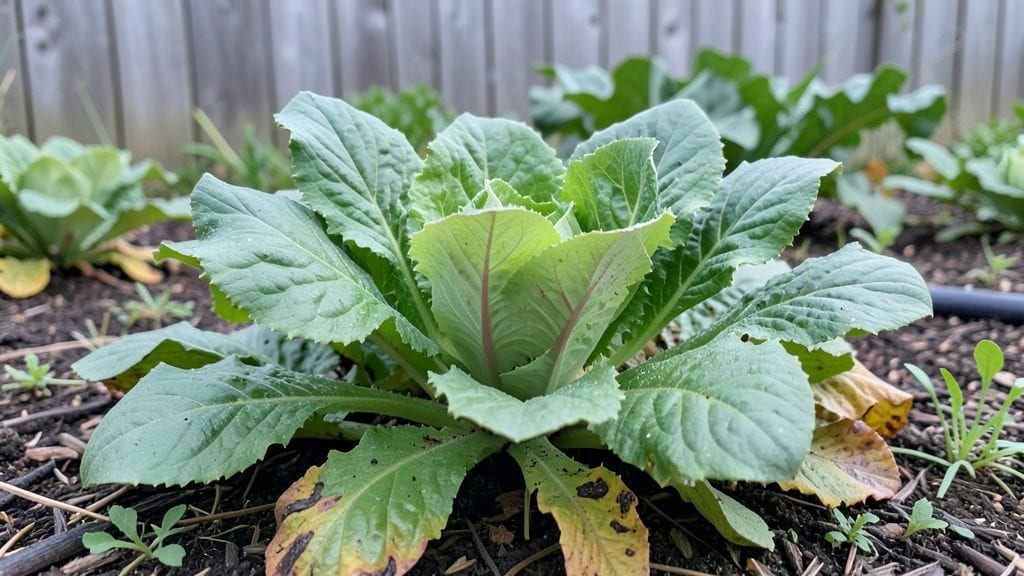
Lamb's lettuce seed might sound fussy, but it’s the fastest way to get tender baby greens on your plate in just three weeks—no fancy setup needed. I’ve grown it in everything from sunny windowsills to shady garden corners, and the secret is patience (and keeping the soil damp).
The first true leaves appear in 5-7 days, and you’ll be harvesting delicate, slightly sweet greens perfect for salads or garnishes before most other crops even sprout.
You only need three things to get started: a shallow tray or pot with drainage, well-draining potting mix (or even just a damp paper towel for sprouting), and a spot with bright, indirect light.
Lamb’s lettuce hates drying out, so mist the soil daily until germination, then water gently from the bottom to avoid disturbing the tiny seedlings. The key to fast germination is consistency—keep the mix cool (around 60-65°F) and never let it dry completely.
By week four, you’ll have a lush, cut-and-come-again harvest that outperforms store-bought greens in flavor and texture. The leaves stay tender even when grown larger, and the plants self-seed like crazy—meaning next year’s crop might start itself.
It’s the foolproof way to add fresh greens to your table without waiting for spring.
Works in containers, garden beds, or even hydroponic setups, and thrives in partial shade—ideal for urban gardens or spots where full sun would scorch other greens. Once you try it, you’ll wonder why you didn’t start sooner.
📚 In This Guide
- What you need
- Instructions
- Tips and common mistakes
- Wrapping up and next steps
What you need
- ● Lamb’s lettuce seeds – 1 packet (approx. 500-1,000 seeds) (ensure they’re fresh for best germination).
- ● Growing containers or garden bed – 6-inch pots or shallow trays (for seedlings) or a well-prepped garden bed (for direct sowing).
- ● High-quality potting mix or seed-starting soil – Lightweight, well-draining blend (avoid garden soil).
- ● Watering can or spray bottle – With a fine mist setting for gentle watering.
- ● Grow lights or sunny windowsill – If starting indoors (6-8 hours of light/day).
- ○ Plant labels or markers – To track planting dates (optional but helpful!).
- ● Seedling heat mat – Speeds up germination (70-75°F ideal).
- ● Clear plastic dome or humidity tent – Keeps moisture in for faster sprouting.
- ● Organic fertilizer (low-nitrogen) – Balanced 5-10-5 or compost tea for established plants.
- ● Trowel or small hand shovel – For transplanting seedlings outdoors.
- ● Mulch or straw – Retains soil moisture and suppresses weeds.
Step-by-Step instructions for growing lamb's lettuce from seed
Here's how to coax these delicate greens from seed in record time—no patience required.
Prepare Containers and Soil for Optimal Germination
Start with a shallow tray or individual pots filled with sterile seed-starting mix. Lamb's lettuce seeds are tiny but germinate quickly, so avoid garden soil—it's too dense and may harbor pathogens. I like to use a 4-inch square tray for this project, as it gives me enough space to sow multiple rows without crowding.
Moisten the mix until it feels like a wrung-out sponge—damp but not dripping. Press it down gently so the surface is firm enough to hold seeds in place. The key here is maintaining even moisture without creating a soggy environment, which can rot the seeds before they sprout.
Sow Seeds at the Right Depth for Fast Sprouting
Lamb's lettuce seeds are so small that a single pinch contains dozens. Scatter them lightly over the soil surface—no need to bury them. These seeds require light to germinate, so pressing them just barely into the mix is all you need. I use a clean, dry paintbrush to spread them evenly, avoiding clumps.
Mist the surface with a spray bottle until the soil looks uniformly damp. Avoid heavy watering, which can wash seeds together or bury them too deep. Cover the tray with a clear plastic dome or wrap it in plastic wrap to trap warmth and humidity. Place it in a spot with indirect light—a bright kitchen counter works well.
Provide Warmth and Monitor for Germination
Germination happens fastest at 65-70°F, so if your home runs cooler, consider using a seedling heat mat. You'll see the first sprouts in 5-7 days, though some varieties may take up to 10 days in cooler conditions. Keep the soil consistently moist but never soggy—lamb's lettuce seeds rot quickly if overwatered.
Once seedlings appear, remove the cover immediately to prevent damping-off, a fungal disease that attacks tender young plants. Place the tray under bright, indirect light for the first week—direct sun at this stage can scorch the delicate leaves. You'll know they're ready for stronger light when the first true leaves unfurl.
Thin and Transplant for Continuous Harvest
When seedlings reach 1-2 inches tall, thin them to 1 inch apart to prevent competition. Use a small pair of scissors to snip unwanted seedlings at soil level—this avoids disturbing the roots of remaining plants. Lamb's lettuce grows quickly, so you can harvest the thinned greens immediately for baby leaves.
Transplant to a larger container or garden bed when seedlings have 3-4 true leaves, spacing them 4-6 inches apart. These greens thrive in partial shade, making them ideal for understory plantings or container gardens. Keep the soil consistently moist but well-drained—lamb's lettuce bolts (goes to seed) quickly in dry conditions.
Maintain for Tender, Continuous Harvests
Harvest outer leaves when plants reach 3-4 inches tall, leaving the inner growth intact. This encourages bushier plants and extends production. Lamb's lettuce grows best in cool weather, so in warm climates, provide afternoon shade to prevent bolting. Fertilize lightly every 2-3 weeks with a balanced organic fertilizer to support tender growth.
With proper care, you'll enjoy fast, tender harvests in as little as 3-4 weeks from sowing. The secret is keeping the soil moist, providing gentle light, and harvesting regularly—this ensures a steady supply of delicate greens all season long.
Tips & tricks for perfect lamb's lettuce germination
A few strategic adjustments can transform your lamb's lettuce from slow-growing disappointment to a fast, tender harvest in just weeks.
Soil Preparation Secret: The sterile seed-starting mix in Step 1 is non-negotiable—garden soil contains pathogens that will rot these tiny seeds before they sprout. For an extra insurance policy, I recommend sterilizing your tray by rinsing it with a 1:9 bleach-to-water solution, then drying completely before adding soil. This creates the pristine environment these delicate seeds need to thrive right from the start.
Light Management Technique: In Step 2, when you're scattering seeds, place your tray near a north-facing window or under grow lights immediately after sowing. Lamb's lettuce seeds need light to germinate, and even brief exposure to darkness can slow them down. If using artificial lights, maintain them just 2-3 inches above the tray for the first week—closer than that can scorch the emerging seedlings.
Temperature Control Strategy: The 65-70°F range in Step 3 is ideal, but most homes struggle to maintain consistent warmth. I've found that placing the tray on top of the refrigerator (where it's naturally warmer) creates a microclimate that speeds germination without needing a heat mat. Just monitor the soil moisture closely—warm air holds less moisture, so you'll need to mist more frequently to prevent drying.
Transplanting Timing: When you reach Step 4 and it's time to thin seedlings, wait until they've developed their second set of true leaves before transplanting to larger containers. This gives them enough root mass to handle the transition. I use a small hand trowel to carefully lift seedlings rather than pulling them—this preserves the delicate root systems and reduces transplant shock.
Pro Tips for Lambs Lettuce Seed
- A few strategic adjustments can transform your lamb's lettuce from slow-growing disappointment to a fast, tender harvest in just weeks.
- Soil Preparation Secret: The sterile seed-starting mix in Step 1 is non-negotiable—garden soil contains pathogens that will rot these tiny seeds before they sprout.
- Light Management Technique: In Step 2, when you're scattering seeds, place your tray near a north-facing window or under grow lights immediately after sowing.
Frequently asked questions
Got questions about growing lamb's lettuce from seed? You’re not alone!
Here are some of the most common queries—and their quick, practical answers—to help you grow these delicate greens like a pro.
How long does it take for lamb’s lettuce seeds to germinate?
Lamb’s lettuce seeds typically sprout in 5–14 days, depending on temperature and soil moisture. For fastest results, keep the soil consistently moist and maintain temperatures between 50–75°F (10–24°C). Cool weather actually speeds up germination—perfect for early spring or fall planting!
Can I grow lamb’s lettuce indoors without sunlight?
Yes! Use a grow light (LED or fluorescent) for 12–16 hours daily to mimic sunlight. Place seeds ¼ inch deep in well-draining soil and keep humidity high with a plastic dome or misting. Thin seedlings to 6 inches apart once they’re 2 inches tall. No sun? No problem!
What’s the best alternative if lamb’s lettuce seeds fail to sprout?
Try these fast-germinating alternatives:
- Spinach (5–10 days)
- Arugula (5–14 days)
- Microgreens (like radish or broccoli) (3–7 days)
- Lettuce (e.g., Buttercrunch) (7–14 days)
Why are my lamb’s lettuce seedlings turning yellow or leggy?
Yellowing or stretching? Two likely culprits:
- Overcrowding: Thin seedlings to 4–6 inches apart for airflow and light.
- Too much heat or light: Move to a cooler spot (60–65°F) or add shade if leaves scorch.
How often should I harvest lamb’s lettuce for continuous growth?
Harvest outer leaves when 3–4 inches tall to encourage regrowth. For a steady supply, pick every 2–3 weeks or cut-and-come-again (leave 1–2 inches of growth). Avoid pulling the whole plant—this tender green keeps producing for 4–6 weeks per planting!
Wrapping up and next steps
Growing lamb’s lettuce seed is a rewarding way to enjoy fresh, tender greens in just a few weeks—no green thumb required! 🌱 With its fast germination and minimal care needs, this versatile herb is perfect for beginners and seasoned gardeners alike.
Whether you’re adding it to salads, soups, or your lawn’s aesthetic appeal, the key is patience and a little attention to moisture.
Ready to dive in? Start by gathering your supplies, then plant those seeds and watch your garden transform! Your first harvest could be just around the corner—happy growing! 🌿