Container Gardens
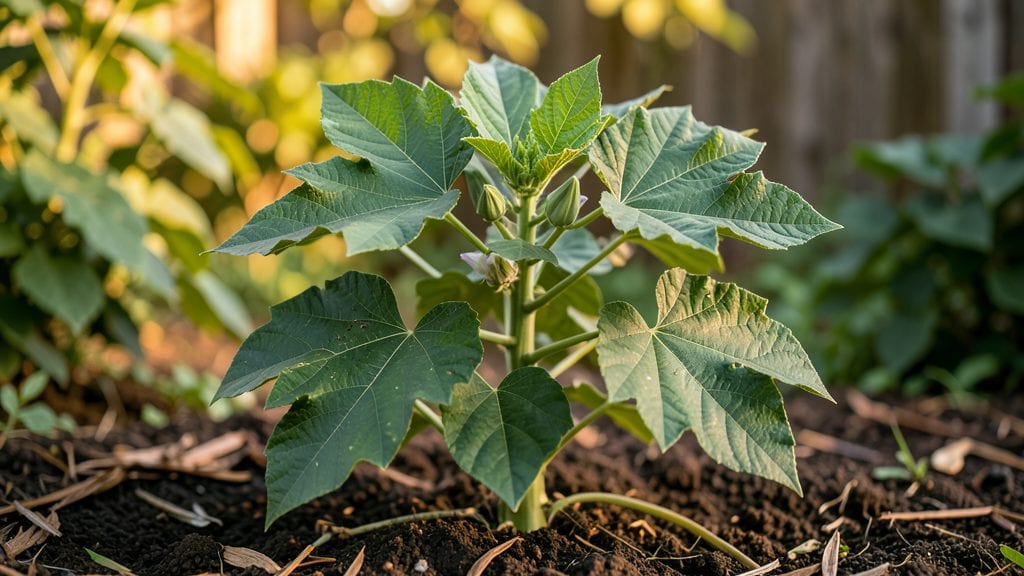
Okra seedlings that sprout in just 3-5 days prove this isn't your average slow-to-germinate vegetable. 🌱 I've watched those first tiny green hooks push through soil faster than almost any plant I've grown, and it's a thrill every time.
The secret lies in heat, moisture, and the right soil mix—none of the guesswork that trips up beginners.
You'll need a warm spot (75-85°F), moistened seed-starting mix, and patience for those first fragile sprouts. Most people overwater or let the soil dry out, which stalls growth.
I learned that the hard way after my first batch sat dormant for two weeks—turns out, okra seeds need consistent dampness, not soggy conditions. A clear plastic dome or humidity tray keeps things just right.
Within a week, you'll have velvety green seedlings with thick stems, ready to handle full sun. The key is keeping them warm and well-lit from day one, or they'll stretch leggy and weak.
Once they hit 2-3 inches tall, you'll see the real magic: those first true leaves signal it's time to transplant or thin.
This method works for both container gardens and in-ground planting, whether you're in a hot climate or using a heat mat indoors. The same principles apply—just adjust your timing for your local growing season. Let's get those sprouts going strong!
📚 In This Guide
- What you need
- Instructions
- Tips and common mistakes
- Wrapping up and next steps
What you need
- ● Okra seeds: 1–2 tbsp (about 30–50 seeds, depending on your container size). Choose organic, non-GMO seeds for best results.
- ● Growing container: A shallow tray (10x20 inches) with drainage holes, or
- ● A 5–10 gallon bucket with drainage holes (for larger batches).
- ● Growing medium: 1–2 cups of organic potting soil (lightweight, well-draining), or
- ● 1–2 cups of coco coir or hemp mats (for sprouting without soil).
- ● Water spray bottle (for gentle moisture control).
- ● Plastic wrap or damp paper towels (to maintain humidity).
- ● Fine-mesh screen or cheesecloth (to cover the container and allow airflow).
- ● Small hand trowel (for gently pressing seeds into the medium).
- ● Grow light or sunny windowsill (6–8 hours of indirect light daily).
- ○ Humidity dome (optional, speeds up germination).
- ● Scissors (for trimming sprouts when ready to harvest).
How to grow fast-germinating okra seedlings
Here's the quick method I use to get okra sprouts popping in just days—not weeks.
🌱 Step 1: Prep Seeds and Warm Soil
Okra seeds germinate fastest when pre-soaked and planted in warm soil. Fill your 4-inch pots with moistened potting mix (it should feel like a damp sponge). I like to add a pinch of Epsom salt to the soil—it boosts germination speed and gives seedlings a stronger start.
Soak the okra seeds in warm water for 4-6 hours before planting. This softens the tough outer shell and speeds up sprouting. While they soak, use a soil thermometer to check your mix—ideal germination happens at 80-90°F. If your soil runs cooler, place the pots on a seedling heat mat.
💧 Step 2: Plant Seeds at the Right Depth
Okra seeds are large and easy to handle. Plant 2 seeds per pot about ½ inch deep—deeper planting slows germination. I use my finger to make a small hole, drop in the seeds, and cover them with soil. Press gently but don't compact the mix too much.
Water lightly after planting, just enough to moisten the soil surface. Avoid soaking the pots—okra seedlings hate soggy roots. Place the pots in a warm, shaded spot (like a sunny windowsill with indirect light) until you see sprouts. You'll notice tiny green tips breaking through the soil in just 3-5 days.
☀️ Step 3: Move to Bright Light Immediately
The moment those first leaves appear, relocate the seedlings to full sun (at least 6-8 hours daily). Okra grows best in warm conditions and needs plenty of light to develop strong stems. If you're growing indoors, position them near a south-facing window or under grow lights.
Watch for leggy growth—a sign the seedlings aren't getting enough light. If stems stretch thin and pale, move the pots closer to the light source. You'll see healthier, stockier plants within a few days. Once seedlings reach 2-3 inches tall, thin to the strongest plant per pot.
✂️ Step 4: Harden Off Before Transplanting
Okra seedlings are tender and need gradual adjustment to outdoor conditions. Start hardening off 1 week before transplanting by placing the pots outside in a sheltered spot for 1-2 hours daily. Increase exposure time over 5-7 days until they're acclimated to full sun and wind.
Transplant after the last frost when soil temperatures reach 70°F or warmer. Dig holes slightly larger than the root ball and space plants 18-24 inches apart. Water deeply after planting to help roots establish. You'll see new growth within a few days—a sign your seedlings are thriving.
Tips & tricks for perfect seedling okra sprouts
Here's what nobody tells you about speeding up those first critical days of okra germination.
Soaking Secret: That 4-6 hour soak is non-negotiable for okra seeds—they've got tough outer shells that need to soften. I use a bowl of warm (not hot) water and add a splash of hydrogen peroxide (just a teaspoon) to prevent mold. The water should feel like bathwater temperature, not scalding. After soaking, drain and rinse seeds gently to remove any residue before planting.
Heat Hack: The 80-90°F soil temperature range is your magic number for fast germination. If your home runs cooler, invest in a seedling heat mat—it's the difference between sprouts in 3 days versus 2 weeks. I place my pots directly on the mat after planting, and you'll see those first green tips emerge faster than you can say "okra harvest."
Light Transition: When moving seedlings to full sun in Step 3, do it gradually. Start with 2 hours of direct sun on the first day, then increase by 1-2 hours daily. Okra plants can get sunburned if you move them too quickly from shade to full sun. Look for leaves that perk up and darken slightly—that's your sign they're adjusting well.
Harden Off Strategy: That 1-week hardening off period is your insurance against transplant shock. I start with just 1-2 hours in morning sun, then gradually increase exposure. By day 5, they're ready for full sun conditions. The key is consistency—same time each day so your seedlings develop natural rhythms.
Pro Tips for Seedling Okra Sprouts
- Here's what nobody tells you about speeding up those first critical days of okra germination.
- Soaking Secret: That 4-6 hour soak is non-negotiable for okra seeds—they've got tough outer shells that need to soften.
- Heat Hack: The 80-90°F soil temperature range is your magic number for fast germination.
Frequently asked questions
How long does it take for okra sprouts to germinate?
Okra seeds are fast germinators—expect tiny sprouts to peek through the soil in 3 to 7 days, especially in warm (70–85°F) conditions. Keep the soil consistently moist but not soggy, and place your tray in bright, indirect light. Patience pays off: thick, edible okra pods form in just 50–60 days from seed!
Do okra sprouts need direct sunlight?
Young okra sprouts thrive in bright, indirect light at first—direct sun can scorch tender leaves. Once seedlings have 2–3 true leaves (about 1–2 weeks old), gradually introduce 4–6 hours of sunlight daily. If growing indoors, supplement with a grow light 12 inches above the tray for 14–16 hours/day.
Can I eat okra sprouts like microgreens?
Yes! Okra sprouts (harvested 7–14 days after germination) are packed with nutrients and can be eaten raw in salads, sandwiches, or blended into smoothies. Note: Only consume sprouts grown organically or with food-safe seeds—avoid raw okra pods from mature plants (they’re tougher and require cooking).
What if my okra sprouts turn yellow or wilt?
Yellowing or wilting usually signals overwatering, underwatering, or poor drainage. Check the soil—it should feel like a damp sponge. If roots look mushy, reduce water and improve airflow. For leggy, weak sprouts, move them closer to light. Pro tip: A pinch of epsom salt (1 tsp/gallon) can boost magnesium if leaves yellow between veins.
Are there fast-growing alternatives to okra sprouts?
If okra sprouts aren’t your speed, try these quick-germinating greens:
- Radish sprouts (3–5 days)
- Broccoli microgreens (5–7 days)
- Sunflower sprouts (4–6 days, nutty flavor)
- Pea shoots (5–10 days, sweet and tender)
Wrapping up and next steps
Growing seedling okra sprouts is your gateway to a thriving, low-maintenance harvest—whether you're a beginner or a seasoned gardener! With just a few simple steps and a little patience, you’ll enjoy crisp, nutritious greens packed with flavor and versatility. 🌱
Ready to take the next step? Start your seeds today and watch your container garden transform into a vibrant, productive space. Share your progress or ask questions—your green thumb journey is just beginning!