
Lawn
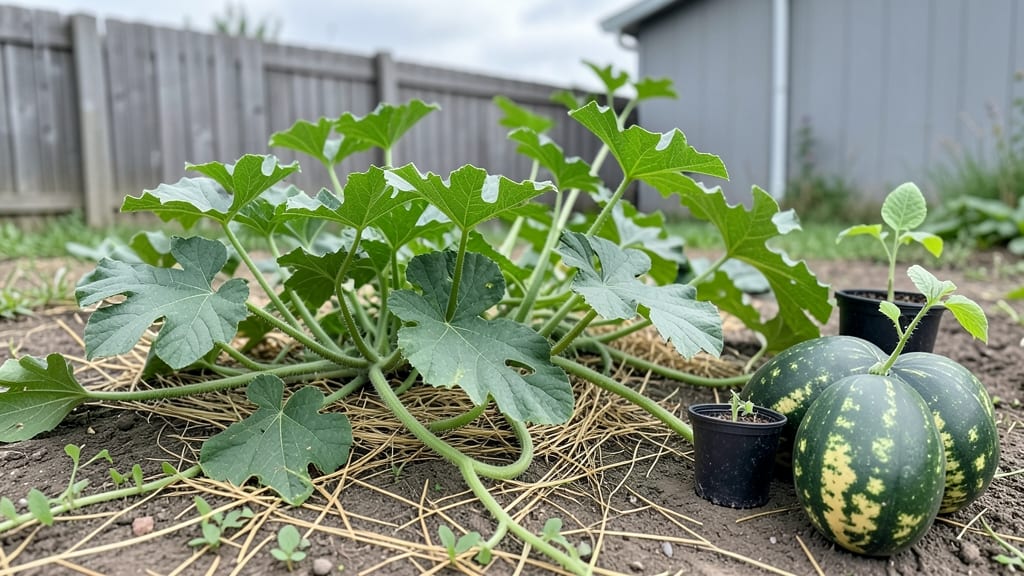
Growing a watermelon from one seed can produce 2 to 6 fruits in ideal conditions, but the real magic happens in how you manage the space and care.
Curious whether one tiny watermelon seed could yield a bountiful harvest—or just a single fruit? The answer might surprise you, especially if you're gardening in limited space.
Watermelons are vining plants, and their yield depends on factors like variety, sunlight, and soil quality. A single seed planted in 6a zone soil can stretch its vines 6 to 10 feet, giving it room to produce multiple fruits if given proper care.
Here’s how to maximize your harvest, whether you’re working with a small balcony or a backyard plot—plus, the best spacing tricks to avoid overcrowding and boost fruit size.
How many watermelons typically grow from a single seed
A single watermelon seed has the potential to produce multiple fruits if given the right conditions. Unlike bush varieties, most watermelons are vining plants that can grow 6-10 feet long, allowing them to develop several fruits along their sprawling stems.
However, the actual number depends on factors like variety type, space availability, and pollination success.
For home gardeners, understanding this process helps set realistic expectations. A healthy watermelon vine can produce 2-6 fruits per plant, but this varies widely. Smaller, compact varieties may yield fewer melons, while larger vining types can produce more if properly spaced and cared for.
The key lies in how the plant allocates its energy between vine growth and fruit development.
🌱
| Factor | Standard Vining Varieties | Compact/Bush Varieties |
|---|---|---|
| Potential Fruits per Seed | 2-6 melons | 1-3 melons |
| Vine Length | 6-10 feet | 3-5 feet |
| Space Requirement | 10-15 sq ft per plant | 4-6 sq ft per plant |
| Pollination Needs | Cross-pollination recommended | Self-pollinating options |
| Yield Impact | Higher with proper spacing | Lower but space-efficient |
The biological process begins when a watermelon seed germinates and develops into a vine. Each vine can produce multiple flowers, and if pollinated successfully, each flower has the potential to develop into a fruit.
However, the plant will prioritize fewer, larger melons over many small ones if resources are limited. This is why proper spacing between plants (typically 10-15 feet apart) is critical for maximizing yield.
For home gardeners with limited space, choosing compact or bush varieties like 'Sugar Baby' or 'Tiny Tim' can be a game-changer. These varieties produce fewer fruits (usually 1-3 per plant) but require significantly less room.
The trade-off is smaller melons, but they're perfect for containers or small gardens. Always check the seed packet for specific yield expectations, as some modern hybrids are bred for higher productivity.
Pollination plays a crucial role in determining how many fruits develop. Watermelons are typically pollinated by bees, but in enclosed spaces or during cool weather, you may need to hand-pollinate.
Use a small paintbrush to transfer pollen from male to female flowers (female flowers have a tiny melon at their base). Without proper pollination, even a vigorous vine may produce few to no fruits, despite having multiple flowers.
Soil fertility and moisture levels also influence yield. Watermelons thrive in well-draining, nutrient-rich soil with a pH between 6.0 and 6.8. Over-fertilizing with nitrogen can lead to lush vine growth but fewer fruits, while balanced fertilization (like a 10-10-10 NPK ratio) supports both vine and fruit development.
Consistent moisture is equally important, especially during flowering and fruiting stages, to prevent blossom-end rot or fruit cracking.
Another factor to consider is the harvest timing. If you allow melons to overripe on the vine, the plant may stop producing new flowers. Instead, harvest fruits when they reach 75-90% of their mature size and show signs of ripeness (like a yellow spot on the underside).
Removing overripe melons encourages the vine to continue flowering and fruiting, potentially increasing your total yield.
In my own garden, I've found that trellising watermelon vines can also impact yield. While it saves space, vertical growth sometimes reduces the number of fruits because the vine's energy is directed upward rather than outward.
However, if you're short on horizontal space, this method still allows you to grow 1-2 melons per seed with proper care. Always weigh your space constraints against your yield goals when planning your watermelon garden.
For those growing watermelons in containers, expect even lower yields—typically 1 melon per seed—due to limited root space. Choose small varieties like 'Black Diamond' or 'Minnesota Midget' and use large containers (at least 15-gallon pots) with excellent drainage.
Container-grown watermelons still require full sun and consistent watering, but their reduced yield is a trade-off for urban or balcony gardening.
Ultimately, the number of watermelons from a single seed depends on your approach. With optimal conditions—proper spacing, variety selection, pollination, and care—a single seed can yield 2-6 melons. However, in small spaces or with compact varieties, you might harvest just 1-3 fruits.
The key is balancing your expectations with your garden's limitations while providing the best possible growing conditions for your plants.
🌿
Space-saving techniques to maximize watermelon yields in small gardens
Watermelons are notorious for their sprawling vines, making them seem like a poor fit for small gardens. But with the right techniques, you can grow multiple watermelons per seed while keeping vines contained.
The key lies in controlling growth, optimizing spacing, and using vertical space wisely. Even in a 4' x 4' raised bed, you can harvest 3-5 watermelons per vine with proper care.
One seed can produce 1-4 watermelons, depending on the variety and growing conditions. Bush-type watermelons (like 'Sugar Baby' or 'Tiny Tim') are ideal for small spaces, while traditional vining types need extra attention to manage their spread.
The secret to maximizing yield in tight spaces? Combine trellising, pruning, and companion planting to create an efficient, high-output garden.
- 1 seed → 1-2 watermelons: Standard vining varieties (e.g., 'Crimson Sweet') in open ground with 6-10 ft spacing
- 1 seed → 2-3 watermelons: Bush varieties (e.g., 'Sugar Baby') with 3-4 ft spacing and trellising
- 1 seed → 3-5 watermelons: Trellised vining types (e.g., 'Black Diamond') in container gardens with pruning
- 1 seed → 1 watermelon (large): Heirloom varieties (e.g., 'Moon and Stars') with limited pollinators in small spaces
Start by choosing compact watermelon varieties designed for small gardens. Varieties like 'Tiny Tim' or 'Sugar Baby' produce 3-5 lb melons on vines that stay under 2 feet tall. These are perfect for containers or raised beds.
For traditional vining types, use vertical trellises to guide growth upward, saving 80% of ground space while improving air circulation and reducing disease risk.
Pruning is another game-changer. Remove side shoots that form at leaf junctions (called "suckers") to direct energy toward fruit production. Leave only 1-2 main vines per plant, and prune aggressively after the first 3-4 fruits form.
This technique can boost yield by 20-30% in small spaces by preventing overcrowding and ensuring each fruit gets adequate nutrients.
Companion planting also works wonders in tight spaces. Pair watermelons with bush beans or radishes, which fix nitrogen in the soil and deter pests. Avoid planting near potatoes or squash, which compete for nutrients.
Use mulch (straw or black plastic) to retain moisture and suppress weeds, freeing up time for other gardening tasks in your limited space.
Finally, optimize your seed spacing. In traditional gardens, plant seeds 6-12 inches apart, but in containers or raised beds, reduce this to 3-4 inches between plants.
Thin seedlings to the strongest 1-2 per hill to avoid competition. With these techniques, you can transform even the smallest garden into a high-yield watermelon powerhouse.