Propagation
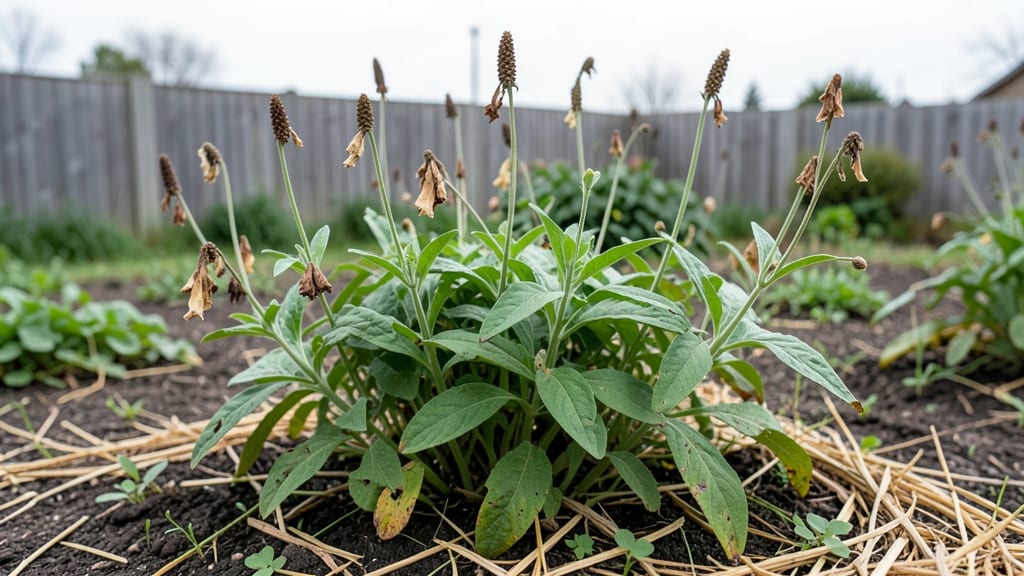
Collecting antirrhinum seeds is the secret to free, vibrant snapdragons for years—if you know when and how to harvest them. 🌱 I’ve saved seeds from my tallest plants every fall, and the next spring’s seedlings always outshine the ones I buy.
The trick is patience: those little pods take their time to ripen, and harvesting too early means wasted effort.
You’ll need just a few simple tools: sharp scissors or pruners, a paper bag for drying, and a dry, dark spot for storage. The pods start green and firm, then turn brown and papery when ready—about 6-8 weeks after flowering.
If you miss the window, they’ll pop open and scatter seeds everywhere, so keep an eye out for that telltale color change.
Once harvested, let the pods dry completely for 2-3 weeks before gently crushing them to release the tiny black seeds. Store them in an envelope labeled with the variety and date—viable seeds last 2-3 years if kept cool and dry.
Next spring, you’ll have snapdragons that match your garden’s exact colors and heights, without a single dollar spent.
Perfect for gardeners who love heirloom varieties or want to save money on transplants. Here’s how to do it right the first time—no more guessing or lost seeds.
📚 In This Guide
- What you need
- Instructions
- Tips and common mistakes
- Wrapping up and next steps
What you need
- ● Mature Antirrhinum plants – Choose healthy, disease-free plants with fully developed seed pods (usually after flowering).
- ● Scissors or pruning shears – Sharp, clean tools to snip seed pods (sterilize with rubbing alcohol if reusing).
- ● Paper bags or breathable seed envelopes – 1–2 per plant (brown paper bags work best for airflow).
- ● Labeling tags & permanent marker – To note plant varieties (e.g., "Dragonfly Mix" or "Rocket Red").
- ● Drying surface – A cool, dry, well-ventilated area (like a mesh screen or open cardboard box).
- ● Air-tight containers – Small jars, envelopes, or seed packets for long-term storage (e.g., blank">Mason jars or blank">seed-saving envelopes).
- ● Gloves – Protect your hands from prickly pods or sap.
- ● Fine mesh sieve – For separating seeds from chaff (if pods are tough to open by hand).
- ● Humidity pack – Silica gel packets to prevent moisture in storage containers.
- ● Seed catalog or notebook – To track germination rates and plant traits over time.
- ● Desiccant packets – For extra-long storage (5+ years).
Instructions for harvesting and storing antirrhinum seeds
Here’s how to save seeds from your snapdragons—simple, rewarding, and perfect for next season’s garden.
🌿 Step 1: Identify and Select the Best Seed Pods
Wait until late summer or early fall when the flower stalks have dried completely and turned a light brown color. The pods should be crisp to the touch—if they crumble easily, they’re ready. I pick pods from the healthiest plants first, avoiding any that look diseased or deformed. Snapdragons self-pollinate, so even a single healthy plant will produce viable seeds.
Gently twist each pod off the stem—don’t pull, or you might snap the stalk. Place them in a paper bag or envelope to keep them dry. If pods open prematurely and release seeds, cover them with a mesh bag to catch the seeds before they scatter.
💧 Step 2: Dry and Clean the Seeds
Spread the collected pods on a clean, dry surface like a baking sheet or cardboard tray. Let them dry in a warm, well-ventilated spot for 7-10 days. The pods should feel brittle and hollow when tapped—this means the seeds are fully dried and ready to extract.
Once dry, open each pod carefully and shake out the seeds into a bowl. Use a fine-mesh strainer or sieve to separate seeds from chaff and debris. Discard any shriveled or discolored seeds—they won’t germinate well. Store only the plump, dark brown seeds for planting.
⏰ Step 3: Store Seeds Properly for Long-Term Viability
Place the cleaned seeds in a small envelope or airtight container—I like using glass jars with tight-sealing lids. Label the container with the variety name and harvest date. Store them in a cool, dark place, like a refrigerator or seed storage box, where the temperature stays between 35-40°F.
Antirrhinum seeds can stay viable for 2-3 years if stored correctly. Check the envelope annually—remove any seeds that look dry or shriveled. Moisture is the enemy, so avoid storing seeds in humid areas like basements without proper ventilation.
☀️ Step 4: Test Germination Before Planting Next Season
Before sowing, test a few seeds to confirm they’re still good. Plant 3-5 seeds in a small pot with moist potting mix, cover lightly with soil, and place them in a warm spot (65-75°F). Keep the soil consistently moist but not soggy. You should see sprouts in 10-14 days. If germination is slow or patchy, the seeds may have lost viability.
If the seeds sprout well, you’re ready to plant the rest outdoors in early spring. Sow them ¼ inch deep in well-draining soil and keep them moist until germination. Watch for those first true leaves—they’ll confirm your seeds are ready to grow!
Tips & tricks for perfect snapdragon seed collection
Between us, the difference between viable seeds and wasted effort often comes down to these simple but critical details.
Pod Selection Matters: In Step 1, when you're identifying those crisp pods, focus on the ones that are completely brown and feel hollow when tapped. I've learned the hard way that even slightly green pods won't dry properly, and you'll end up with shriveled seeds. If you're unsure, harvest a few extra—you can always discard the underripe ones later when cleaning.
Drying Strategy: The 7-10 day drying period in Step 2 is non-negotiable for antirrhinum seeds. I've found that placing the pods on a baking sheet in a warm, dry spot with good airflow (like on top of your fridge) speeds up the process without risking moisture. If you're in a humid climate, consider using a small fan on low to circulate air—just don't let it blow directly on the pods.
Storage Wisdom: When you're storing those cleaned seeds in Step 3, the 35-40°F temperature range is crucial. I've had great success using small glass jars with silicone seals in my refrigerator's crisper drawer. The key is to keep them completely dry—even a little moisture can cause mold. Add a tiny silica gel packet to your storage container for extra protection against humidity.
Germination Test: That 10-14 day germination window in Step 4 gives you valuable information. If your seeds sprout within 7 days, they're fresh and ready to plant. If they take 14+ days or don't sprout at all, they may have lost viability. I always test at least 5 seeds before committing to planting the whole batch—it saves heartache later.
Pro Tips for Collecting Antirrhinum Seeds
- Between us, the difference between viable seeds and wasted effort often comes down to these simple but critical details.
- Pod Selection Matters: In Step 1, when you're identifying those crisp pods, focus on the ones that are completely brown and feel hollow when tapped.
- Drying Strategy: The 7-10 day drying period in Step 2 is non-negotiable for antirrhinum seeds.
Frequently asked questions
Got questions about collecting and saving antirrhinum seeds? You’re not alone! Here are some of the most common concerns—and straightforward answers to help you succeed.
When is the best time to harvest antirrhinum seeds?
Collect seeds once the flower blooms fade and the seed pods turn brown and papery—usually 6-8 weeks after flowering. Avoid harvesting too early; green pods won’t yield viable seeds. Wait until they’re dry and crispy to the touch for the best results.
How do I know if the seed pods are ready?
Ready pods are dry, brown, and slightly shriveled. If you gently squeeze a pod and hear seeds rattling inside, it’s time to harvest. Overripe pods may burst open, scattering seeds prematurely—so act fast! A quick visual check (no moisture) confirms readiness.
Can I save seeds from hybrid antirrhinum flowers?
Hybrid varieties (like ‘Monstrosa’ or ‘Ruby’) may not produce true-to-type seeds because they’re bred for specific traits. However, you can still collect seeds for experimentation! For consistent results, opt for heirloom or open-pollinated varieties labeled “seed-saving friendly.”
How should I store antirrhinum seeds long-term?
Store seeds in a cool, dry place (like a sealed envelope or airtight container with silica gel) at 32–41°F (0–5°C). Label with the variety and date—seeds typically stay viable for 2–4 years. Avoid refrigeration unless using a humidity-controlled setup.
What if my antirrhinum flowers don’t produce seed pods?
Lack of pods often means poor pollination. Hand-pollinate by transferring pollen with a small brush between flowers, or ensure bees/butterflies visit your garden. If pods still fail, check for pests (aphids) or environmental stress (drought/heat). Try again next season with healthier plants!
Wrapping up and next steps
Collecting antirrhinum seeds is a rewarding way to propagate these charming snapdragons and expand your garden for free! By following the right steps—from selecting healthy plants to properly drying and storing seeds—you’ll ensure a bountiful harvest ready for next season. 🌱
Now that you’re equipped with the know-how, give it a try! Start with just a few plants, experiment with storage methods, and soon you’ll be sharing your homegrown antirrhinum seeds with fellow gardeners. Happy growing! 🌸