Lawn
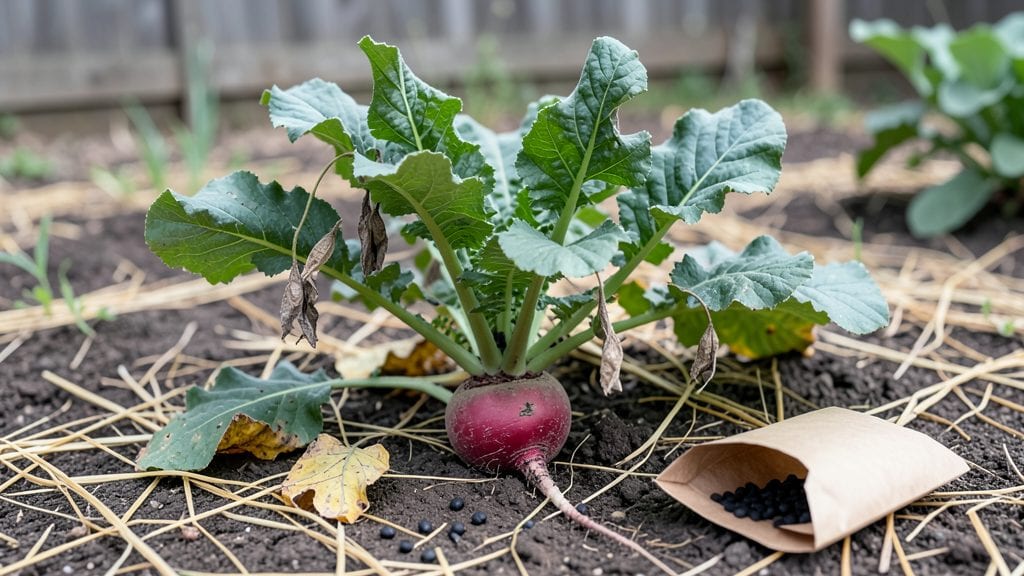
Saving radish seeds from your garden cuts costs and keeps heirloom varieties alive. ✨ I’ve learned the hard way—skipping the seed pods means losing the chance to grow next year’s crop from plants you’ve already perfected.
The right varieties, timing, and drying technique make all the difference between viable seeds and wasted effort.
Not all radishes produce reliable seeds—pick open-pollinated types like ‘French Breakfast’ or ‘Cherry Belle’ for best results. You’ll need a sunny spot, patience for the plants to bolt (that’s when they send up flowers), and a way to dry seeds properly.
The process takes about 6-8 weeks from planting to storage-ready seeds, but the payoff is worth it.
Once the pods turn brown and papery, you’ll harvest seeds that sprout at 90%+ viability—far better than store-bought packets. Store them in a cool, dark place, and you’ll have fresh seeds ready for next spring.
No more guessing which varieties will thrive; you’ll grow exactly what works in your garden.
Here’s where it gets interesting—avoiding cross-pollination with other radish types and preventing premature bolting saves you from starting over. Let’s walk through the steps that turn your harvest into next year’s planting material.
📚 In This Guide
- What you need
- Instructions
- Tips and common mistakes
- Wrapping up and next steps
What you need
- ● Mature radish plants (choose open-pollinated varieties like ‘Cherry Belle’ or ‘French Breakfast’ for best results).
- ● Scissors or pruning shears (clean, sharp pair to avoid damaging stems).
- ● Paper bags or breathable seed envelopes (10–20, depending on yield).
- ● Permanent marker (to label seeds with variety name and harvest date).
- ● Drying tray or screen (for airflow—avoid plastic containers).
- ● Small fan or well-ventilated space (to speed up drying).
- ○ Glass jars or airtight containers (with silica gel packets optional for extra moisture control).
- ● Seed catalog or notebook to track varieties and germination rates.
- ● Humidity indicator cards (to monitor storage conditions).
- ● Gloves (if handling large quantities to avoid skin oils contaminating seeds).
- ● Seed testing kit (for verifying viability before planting next season).
Step-by-Step guide to harvest and store radish seeds
Here's how to save seeds from your homegrown radishes—simple, rewarding, and perfect for next year's garden.
🌱 Step 1: Grow Radishes to Maturity for Seed Production
Start by planting radishes you want to save seeds from, but let them bolt and flower instead of harvesting early. Choose varieties like 'French Breakfast' or 'Cherry Belle'—they're reliable seed producers. Plant in early spring or late summer for the best results. Radishes need full sun and well-draining soil to grow strong and healthy.
Watch for the plants to flower—you'll see clusters of bright purple or white blossoms. Let these flowers mature into seed pods. Don't harvest the radishes themselves; instead, let the plant focus its energy on producing seeds. This usually takes 60-90 days from planting, depending on your climate and variety.
🌿 Step 2: Identify and Harvest Mature Seed Pods
Once the flowers fade, small seed pods will form. These pods start green and turn yellow or brown as they mature. Wait until at least 70% of the pods on a plant are dry and brown—this ensures the seeds inside are fully developed. Harvest on a dry day to prevent moisture from causing mold.
Gently twist or cut the pods from the plant, being careful not to damage the seeds inside. Place the pods in a paper bag and let them dry indoors for 1-2 weeks in a warm, dry spot. You'll know they're ready when the pods rattle when shaken—this means the seeds are loose and fully mature.
💧 Step 3: Clean and Dry the Seeds
Once the pods are completely dry, open them and remove the seeds. You'll see small, oval-shaped seeds inside. Spread them out on a clean, dry surface like a paper towel or a seed-saving tray. Let them dry for another 3-5 days to ensure all moisture is gone—this step is crucial to prevent mold during storage.
To clean the seeds, rub them gently between your fingers or use a fine mesh screen to remove any remaining chaff or debris. Store the clean, dry seeds in a small envelope or airtight container. Label it with the variety name and the year—radish seeds stay viable for 2-3 years if stored properly.
⏰ Step 4: Store Seeds for Next Year's Planting
Place the labeled container of seeds in a cool, dark place like a pantry or seed storage box. Keep them away from direct sunlight, heat, or humidity. Radish seeds are sensitive to moisture, so ensure the storage container is completely dry and sealed tightly.
Check the seeds periodically to make sure they're still dry and free of pests. If stored correctly, your radish seeds will be ready to plant next season, saving you money and ensuring you have fresh, homegrown produce year after year.
Tips & tricks for perfect radish seed saving
Saving radish seeds is easier than you think—here are the key tricks to ensure you get viable seeds for next year's garden.
Variety Selection Matters: Not all radishes produce good seeds. Stick with reliable seed producers like 'French Breakfast' or 'Cherry Belle'—these varieties consistently yield strong, healthy seeds. Avoid hybrid radishes (marked with 'F1'), as their seeds won't grow true to type. I've learned this the hard way after planting seeds from store-bought radishes that didn't produce anything worthwhile!
Timing is Everything: The 60-90 day growth period in Step 1 can vary based on your climate. In cooler regions, you might need to start seeds indoors 4-6 weeks before your last frost date to ensure they bolt and flower before summer heat sets in. Watch for those purple or white blossoms—they're your signal that seed production has begun.
Pod Maturity Check: When harvesting in Step 2, don't rush! Those pods need to be at least 70% dry and brown before harvesting. I've made the mistake of picking them too early, only to find shriveled seeds inside. Give them that extra week of drying time—the rattling test is foolproof for confirming readiness.
Storage Secrets: Radish seeds stay viable for 2-3 years, but proper storage makes all the difference. Use silica gel packets in your seed containers to absorb any moisture. I store mine in small, labeled envelopes inside a larger airtight container with a desiccant packet—this keeps them perfectly dry for years. Labeling with the variety and year is a lifesaver when you're ready to plant next season.
Pro Tips for Radish Seed Saving
- Saving radish seeds is easier than you think—here are the key tricks to ensure you get viable seeds for next year's garden.
- Variety Selection Matters: Not all radishes produce good seeds.
- Timing is Everything: The 60-90 day growth period in Step 1 can vary based on your climate.
Frequently asked questions
Got questions about saving radish seeds? You’re not alone—many gardeners want to know the best ways to preserve these vibrant seeds for next season. Here are some of the most common queries, answered clearly and simply!
What’s the best time to harvest radish seeds?
Harvest seeds when radish pods naturally turn yellow and dry on the plant—usually 60–90 days after planting. Avoid harvesting too early; immature seeds won’t store well. Wait until pods rattle when shaken (a sign seeds are ready)!
How long can I store saved radish seeds?
Properly dried and stored seeds last 2–4 years in a cool, dark place (like a sealed jar in the fridge). For best viability, use them within 1–2 years. Test germination by planting a few seeds—if they sprout, your stash is still good!
Can I save seeds from store-bought radishes?
Nope! Store-bought radishes are often hybrid varieties (F1) and won’t produce true-to-type seeds. Save seeds only from heirloom or open-pollinated radishes labeled for seed saving. Check seed packets for the “OK for seed saving” tag!
Do radishes cross-pollinate with other brassicas?
Yes, radishes can cross with wild mustards, arugula, or other brassicas (like broccoli or cabbage) if they’re nearby. To avoid mixed seeds, plant radishes at least 500 feet away from related plants or use row covers to isolate them.
What if my radish seeds won’t germinate?
Try these fixes:
- Check freshness: Old seeds may need stratification (chill for 1–2 weeks before planting).
- Test moisture: Overly dry seeds? Soak in water for 12 hours before planting.
- Adjust conditions: Radishes love cool soil (60–70°F). If your climate is hot, plant in early spring or fall.
Wrapping up and next steps
Saving radish seeds is a rewarding way to ensure a fresh, homegrown harvest year after year—plus, it’s a fun and cost-effective gardening skill! By following these steps, you’ll not only preserve genetic diversity but also enjoy the satisfaction of growing from seeds you’ve nurtured yourself. 🌱
Ready to take the next step? Start small—grow a few radishes this season, experiment with seed saving, and soon you’ll be sharing your homegrown seeds with fellow gardeners. Happy growing!