Plants
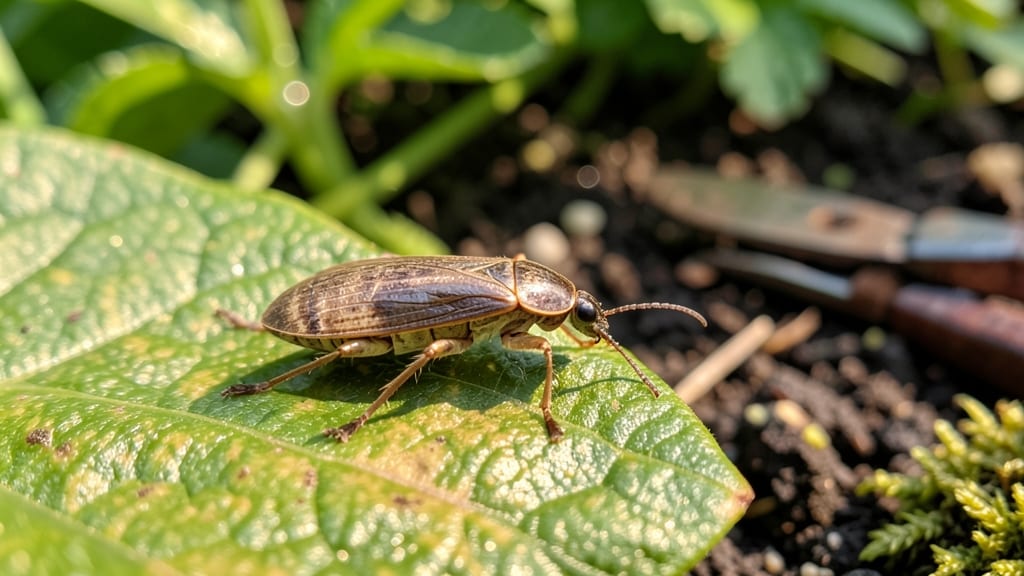
Those tiny black specks that look like watermelon seeds crawling on your plants aren’t watermelon seeds—they’re likely cucumber beetles or seed bugs, and they’re wreaking havoc on your garden. 🌱 I've spent years dealing with these sneaky pests, and I know how frustrating it is. to see them multiplying before you even realize what they are.
The good news? They're easier to manage than you think, once you know what you're dealing with.
These pests thrive in warm, humid conditions, which means they're likely showing up right when your plants are most vulnerable. They chew on leaves, spread disease, and can even stunt plant growth if left unchecked.
The key is acting fast—before they become a full-blown infestation. I've found that a combination of physical removal, natural predators, and garden hygiene works best to keep them in check.
You'll start seeing immediate results within a few days of implementing the right strategies. Plants will stop looking stressed, new growth will appear healthier, and those pesky black specks will become a thing of the past.
The best part? These methods protect your garden without harsh chemicals, so you can enjoy your harvest without worrying about residue.
Whether you're dealing with a small cluster or a full-blown outbreak, the solutions here work for all garden sizes and climates. Let's get your plants back to thriving and those seed-like bugs out of your garden for good.
Nature’s Tiny Mimicry Tricks
Ever wondered why some bugs have evolved to resemble watermelon seeds—or other tiny, hard, and seemingly harmless objects? The answer lies in survival strategies honed over millions of years. These insects aren’t just randomly shaped; their appearances serve critical purposes in their ecosystems.
Let’s break down the science behind why these critters look like the seeds of a juicy watermelon.
Many insects that resemble watermelon seeds rely on protective coloration to avoid becoming a snack for birds, lizards, or other predators. Watermelon seeds are small, hard, and often overlooked—traits that make them the perfect disguise.
- Seed-like texture: Some bugs, like certain species of seed bugs (Lygaeidae), have rough, granular exoskeletons that mimic the surface of dried seeds. This texture makes them harder to spot on soil, bark, or plant debris.
- Color matching: Watermelon seeds are typically dark brown or black with white speckles. Insects like the black seed bug (Nezara viridula) adopt similar coloration to blend into leaf litter or dried plant material.
- Size deception: Tiny bugs (like some aphids or psocids) are often 1-3mm in size, similar to watermelon seeds. Their small stature makes them less noticeable to predators scanning for larger prey.
Actionable insight: If you’re trying to identify these bugs, look for them in areas where seeds or debris accumulate—like under plants, in mulch, or on garden soil.
Some "seed-like" bugs aren’t trying to hide from predators—they’re avoiding plants themselves. Certain insects lay eggs or hide in ways that make them look like harmless seeds, tricking plants into ignoring them.
- Egg mimicry: The watermelon seed bug (Aspavia armigera) lays eggs that resemble tiny seeds. This prevents herbivorous insects (like caterpillars) from eating them, as they assume the "seeds" are inedible.
- Seed dispersal confusion: Some bugs, like certain weevils, roll around in soil or leaf litter, mimicking seeds being carried by wind or animals. This behavior helps them avoid detection while searching for food or mates.
- Chemical deception: A few species produce chemical signals that make them smell or taste like seeds. This further reinforces their disguise against curious plant-eaters.
Pro tip:💡 If you notice bugs clustering near seeds or plant debris, they might be using these seeds as a protective shield. Shake plants gently to dislodge them without harming the foliage.
Not all seed-like bugs are trying to hide—they’re using deception to spread. Some species have evolved to look like seeds so they can hitch rides on animals, wind, or even human activity.
- Wind dispersal: Tiny bugs like springtails (Collembola) have dense, seed-like bodies that help them drift on air currents. Their small size and rough texture mimic seeds, allowing them to travel farther and colonize new areas.
- Animal attachment: Some insects, such as seed chalcids (Brachymeria), have barbed or sticky exoskeletons that help them cling to fur, feathers, or even clothing. Their seed-like appearance makes them less likely to be brushed off.
- Human-mediated spread: Bugs that resemble seeds can unwittingly hitch rides in produce, mulch, or potting soil. This is why you might find them indoors—they’ve hitched a ride with your groceries!
Quick fix:🌡️ If you suspect seed-like bugs are spreading via wind or animals, inspect new plants or soil before bringing them indoors. Quarantine new additions for a few days to prevent infestations.
From avoiding predators to outsmarting plants and hitching rides, these tiny mimics have some clever survival tricks. Next time you spot a bug that looks like a watermelon seed, remember—it’s not just a coincidence. It’s evolution in action!
Practical removal and Prevention guide
Now that you’ve identified those tiny, watermelon-seed-like intruders in your garden or home, it’s time to tackle them effectively. These pesky critters—whether they’re seed bugs, aphids, or even certain beetle larvae—can wreak havoc on plants if left unchecked.
Below, we’ve broken down targeted solutions based on the most common causes, along with preventive measures to keep them from returning.
Seed bugs, like the Southern green stink bug or chinch bugs, mimic watermelon seeds in size and shape but can damage crops by sucking plant juices. Here’s how to evict them:
🛠️ Immediate Removal: Manual & Chemical-Free
- 🕵️♂️ Inspect & Shake Them Out Gently shake infested plants (like tomatoes, beans, or watermelons) over a bucket of soapy water. The bugs will drop off, and the soap will dissolve their waxy outer layer, killing them.
- 🌿 Neem Oil Spray (Safe & Effective) Mix 1 tsp neem oil + 1 tsp mild dish soap + 1 quart of water in a spray bottle. Apply to both the tops and undersides of leaves in the evening (avoid direct sunlight). Repeat every 5–7 days until they’re gone.
- 🪲 Introduce Predatory Insects Ladybugs, lacewings, and parasitic wasps love eating seed bugs. Purchase them online or attract them by planting dill, fennel, or marigolds nearby.
🛡️ Long-Term Prevention
- 🌱 Rotate Crops – Avoid planting the same family (e.g., tomatoes, peppers) in the same spot yearly.
- 🍂 Mulch with Straw – A thick layer (2–3 inches) disrupts their egg-laying sites.
- 🕯️ Use Yellow Sticky Traps – Place them near plants to catch adult bugs before they reproduce.
Aphids may not look like watermelon seeds, but their honeydew droppings can cling to leaves, mimicking tiny seeds. Here’s how to banish them:
💦 Quick Fixes: Water & Soap
- 💦 Blast Them Off with Water Use a strong stream from a hose to knock them off plants. Do this early in the morning so leaves dry quickly (prevents fungal growth).
- 🧼 Homemade Soap Spray Mix 1 tbsp castile soap + 1 quart water in a spray bottle. Test on a small leaf first—some plants (like succulents) are sensitive.
- 🍋 Vinegar Spray (For Severe Infestations) Combine 1 cup white vinegar + 1 tsp dish soap + 1 gallon water. Spray directly on aphids (avoid spraying flowers or beneficial insects).
🌿 Natural Predators & Barriers
- 🐞 Encourage Ladybugs & Lacewings – These bugs devour aphids faster than any spray.
- 🪴 Cover Young Plants – Use floating row covers to block aphids while allowing sunlight and water through.
🔄 Prevention Tips
- 🌱 Keep Plants Healthy – Aphids target weak, stressed plants. Ensure proper watering, sunlight, and fertilization.
- 🍃 Prune Regularly – Remove yellowing or crowded leaves where aphids hide.
- 🌿 Plant Aphid-Repelling Herbs – Basil, mint, and thyme deter them naturally.
Some beetle larvae (e.g., Japanese beetle grubs) resemble tiny seeds but chew through roots and leaves. Here’s how to stop them:
🌱 Soil & Root Treatment
- 🪴 Milky Spore Application A natural bacteria (Bacillus popilliae) that targets Japanese beetle grubs. Apply to lawns in early spring (takes 2–3 years to fully establish).
- 🪴 Beneficial Nematodes Microscopic worms that paralyze and kill grubs. Mix with water and apply to soil in the evening (they die in sunlight).
🌿 Trap Crops & Hand-Picking
- 🍓 Plant Trap Crops – Fava beans or roses attract beetles away from your main plants.
- 👨🍳 Handpick Adult Beetles – Drop them into soapy water (especially in the morning when they’re sluggish).
🛡️ Prevention for Future Seasons
- 🌱 Avoid Overwatering – Grubs thrive in soggy soil; ensure proper drainage.
- 🪴 Aerate Lawns – Reduces grub hiding spots.
- 🌿 Mow High – Keeps beetles from laying eggs in short grass.
- 🕒 Act Fast – The sooner you treat, the less damage they’ll cause.
- 🌞 Time Sprays Right – Apply neem oil or insecticidal soap in the evening to avoid harming bees.
- 🧹 Clean Up Debris – Remove fallen leaves and plant waste where pests hide.
- 📅 Monitor Regularly – Check undersides of leaves and new growth weekly.
By following these targeted, eco-friendly methods, you’ll not only eliminate the seed-like pests but also protect your plants long-term. Whether it’s soap sprays, beneficial insects, or smart gardening habits, these solutions work without harsh chemicals. 🌱✨
Frequently asked questions
Are those tiny black specks on my plants actually harmful?
Yes, most bugs that resemble watermelon seeds—like seed bugs or cucumber beetles—can damage plants. They often feed on leaves, spread diseases, or lay eggs that hatch into destructive larvae. The key is acting fast before they cause visible harm to your garden.
How can I tell the difference between harmless seeds and actual bugs?
Real watermelon seeds are smooth and hard, while these bugs have tiny legs, antennae, or a segmented body. Hold them under a magnifying glass—if they move or have an exoskeleton, they’re pests. Also, check for chewed leaves or sticky residue (aphid honeydew) nearby.
Will soap or water alone kill these bugs?
For mild infestations, a soapy water spray (1 tsp dish soap per quart of water) works well. Directly spray the bugs or shake plants over soapy water to drown them. Repeat every few days until they’re gone—this method is safe for most plants and won’t harm beneficial insects if used sparingly.
Can I use neem oil if I have pets or children around?
Neem oil is generally safe once dry, but it’s best to apply it in the evening and avoid spraying areas where pets or kids play. Always test a small leaf first, and keep pets indoors until the oil dries (usually 2-4 hours). It’s non-toxic but can irritate sensitive skin in concentrated forms.
Why do these bugs keep coming back even after treatment?
They often return due to hidden eggs in soil or plant debris or because they’re spreading from nearby untreated areas. To prevent recurrence, remove all plant waste, rotate crops, and use yellow sticky traps to catch adults before they reproduce. Consistent garden hygiene is key!