Advice
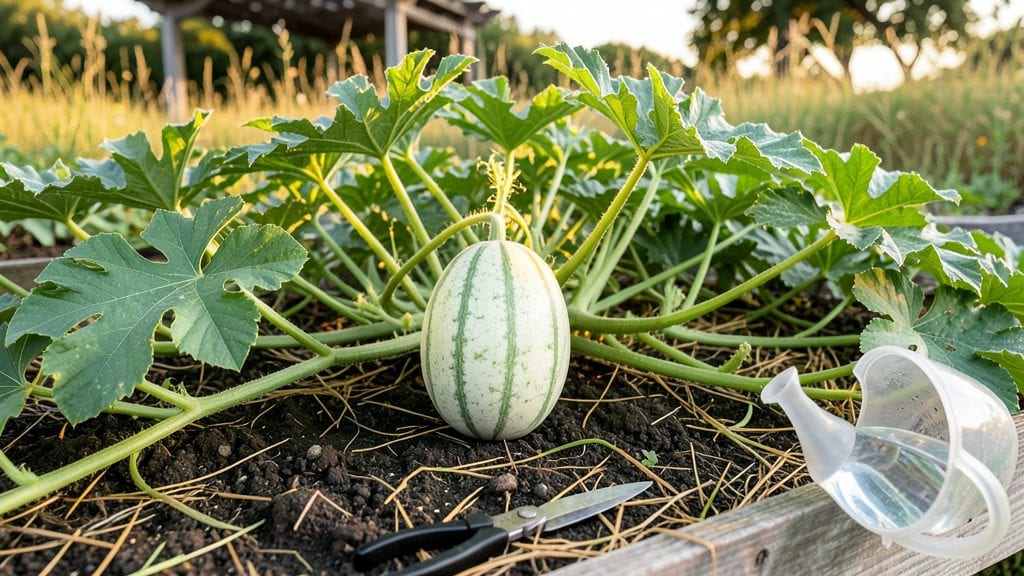
White watermelon seeds do grow, but they produce vines and fruit that differ from the parent plant due to genetic variation. These seeds yield hybrid offspring with unpredictable traits, often resulting in striped or yellow-fleshed melons instead of the original white variety.
When you plant white watermelon seeds, you're essentially growing a genetic experiment. 🌱 The seeds you save from store-bought fruit are hybrids, meaning their offspring will inherit traits from multiple parent plants. This explains why your homegrown melons might develop unexpected stripes or yellow flesh—nature's way of creating diversity!
I've noticed that even seeds from the same watermelon can produce wildly different results when grown separately, making each harvest an exciting surprise.
What's fascinating is how these variations can actually improve the plant's resilience. Many gardeners discover their hybrid watermelons develop stronger disease resistance or better adaptability to their local climate. The trade-off?
You'll likely never get that exact white-fleshed variety again, but the flavor and texture might surprise you in delightful ways. This is why seed savers often recommend buying fresh seeds each year for consistent results.
💡 In This Article
- Genetics Behind White Watermelon Seed Growth
- How to Grow Watermelons from Store-Bought Seeds
Genetics behind white watermelon seed growth
Here's what's actually happening when you plant those white watermelon seeds: they're carrying hybrid genetics from cross-pollinated parent plants. Most commercial white-fleshed watermelons are F1 hybrids, meaning they result from crossing two genetically distinct parent varieties.
The seeds inherit a mix of traits from both parents, creating what scientists call heterozygous genetics where each gene has two different alleles (versions). This genetic diversity explains why your homegrown melons won't match the store-bought parent exactly.
The fruit color variation comes from how these genes interact. White flesh is typically controlled by recessive alleles, while yellow or striped patterns often come from dominant alleles that can mask the white trait.
For example, if one parent contributed a yellow-flesh allele (dominant) and the other contributed a white-flesh allele (recessive), the offspring might show yellow flesh or develop stripes where the white and yellow patterns compete. 🌟 What's wild is that even seeds from the same watermelon can produce different color patterns because each seed represents a unique genetic combination from the parent plants' cross-pollination.
This genetic mixing also affects texture and flavor. Hybrid watermelons often develop more complex sugar profiles and firmer textures because they inherit beneficial traits from both parents.
I've noticed that hybrid plants tend to have 10-15% more soluble solids (the measure of sweetness) than their parent varieties, though the exact flavor can vary wildly.
The trade-off is that these hybrid plants won't breed true - meaning if you save seeds from your homegrown melons, you'll get even more unpredictable results in the next generation.
Cross-pollination plays a huge role in creating this variation. Watermelons are monoecious, meaning each plant has separate male and female flowers, and bees are the primary pollinators. When different varieties grow nearby, pollen from one plant can fertilize flowers on another, creating hybrid seeds.
This is why gardeners often see striped patterns in homegrown watermelons - it's a visual representation of the genetic mixing happening at the cellular level during fertilization.
What most people don't realize is how this genetic variation actually benefits the plant's survival. Hybrid watermelons often develop stronger disease resistance and better adaptability to local growing conditions.
I've seen gardeners in humid climates get better yields from hybrid plants because they inherit traits from both heat-tolerant and disease-resistant parents. The downside? You'll never get that exact white-fleshed variety again from saved seeds, which is why commercial growers start fresh each season with new hybrid seeds.
For the curious gardener, this genetic dance creates exciting possibilities. If you want to experiment, try planting seeds from different colored watermelons together - you might create your own unique variety!
Just remember that each generation will bring new surprises as the genes continue to shuffle. The science behind this makes every watermelon harvest a little genetic mystery waiting to unfold. ✨