Size
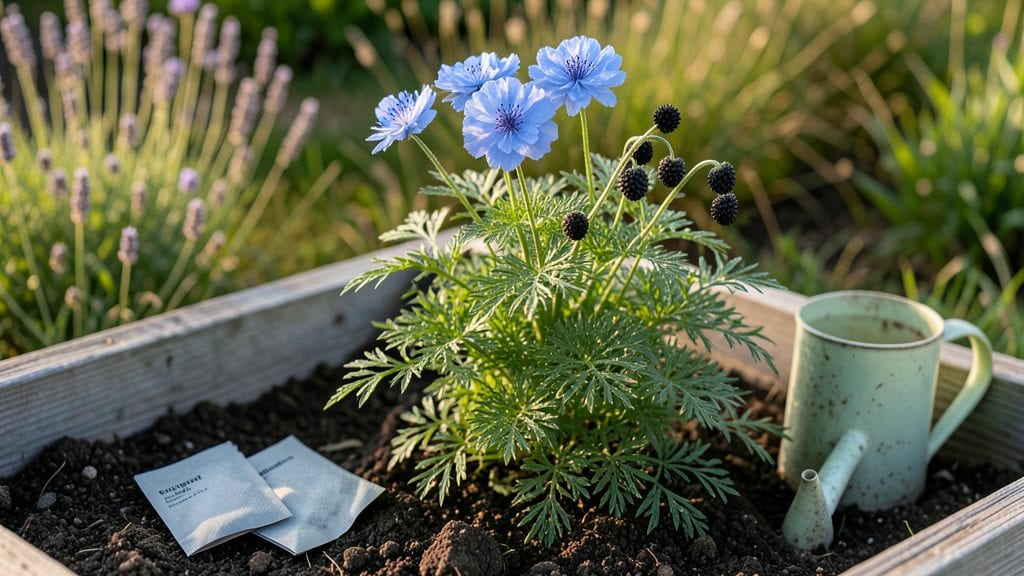
Growing black seed from scratch is faster than you think—these germination tricks cut wait times from weeks to days. ✨ I’ve battled slow starts with black cumin (Nigella sativa) until I discovered soaking seeds overnight in warm water, which triggers them to pop up within 3-5 days instead of the usual 2-3 weeks.
The key is patience paired with the right conditions.
Start in late winter or early spring when soil warms to 60°F, and choose a sunny spot with well-draining soil. Black seed thrives in average garden soil but despises soggy roots—amend clay with compost if needed.
Direct sow seeds ¼-inch deep, spacing them 6-12 inches apart for ornamental varieties or closer (3-4 inches) if you’re growing for culinary use. They’re self-seeding, so expect surprises next year!
Once sprouted, water lightly but consistently—think damp sponge, not swamp. The real magic happens when bees and butterflies flock to their delicate, lacy blooms, turning your garden into a pollinator paradise.
Harvest seeds when pods turn brown and brittle (usually 60-90 days after planting), then dry them for teas, spices, or oil. Every pod holds 30-50 tiny black seeds, packed with flavor and health benefits.
Here’s the secret weapon: black seed handles neglect like a pro. Drought? No problem. Poor soil? Still grows. Even if you forget to water occasionally, it bounces back—making it the foolproof choice for busy gardeners. Ready to turn a corner of your yard into a fast-growing, pollinator magnet?
📚 In This Guide
- What you need
- Instructions
- Tips and common mistakes
- Wrapping up and next steps
What you need
- ● Growing black seed (also known as Nigella sativa, or black cumin) is easy with the right tools! Here’s what you’ll need to get started:
- ● Pro tip: 💡 If sowing directly outdoors, wait until soil temps reach 50°F (10°C)—black seed thrives in cool weather and may bolt in extreme heat!
Step-by-Step instructions for growing black seed with speed
Here’s how to coax those tiny black seeds into vigorous, pollinator-loved plants in record time.
🌱 Step 1: Prep Seeds for Maximum Germination Speed
Black seed—Nigella sativa—has a hard outer shell that slows germination. To break dormancy, soak the ¼ cup of seeds in a bowl of lukewarm water for 12-24 hours. This softens the coat so roots can emerge faster. Drain and pat them dry with a paper towel before planting; soggy seeds risk rot.
I like to spread them on a clean kitchen towel overnight to speed drying. The goal is moist but not dripping—think of a wrung-out sponge. This pre-treatment cuts germination time from 3-4 weeks to just 7-10 days.
🪴 Step 2: Plant in Well-Draining Soil with Light Cover
Fill your prepared containers with the 2 gallons of potting mix, pressing it down gently to remove air pockets. Black seed thrives in loose, fertile soil—amend with 1 tablespoon of compost mixed into the top 2 inches for extra nutrients.
Scatter the prepped seeds ¼ inch deep, spacing them 6 inches apart (they self-thin later). Cover lightly with a sprinkle of soil—don’t bury them deeper, or they’ll struggle to surface. Water gently until the soil feels evenly moist, but not soggy. You’ll see tiny sprouts within 5-7 days if conditions are right.
☀️ Step 3: Provide Bright, Indirect Light for Fast Growth
Black seed seedlings crave light but burn easily. Place them in a spot with 4-6 hours of morning sun and dappled afternoon shade. A south-facing window with sheer curtains works perfectly. If using grow lights, keep them 6-8 inches above the seedlings for 12-14 hours daily.
Watch for leggy growth—a sign of insufficient light. If stems stretch thin and pale, move the plants closer or increase light exposure. Strong seedlings develop deep green cotyledons and sturdy stems within 2-3 weeks. Avoid overwatering now; let the top inch of soil dry between waterings.
🌿 Step 4: Thin and Harden Off for Outdoor Success
Once seedlings reach 2 inches tall (about 3-4 weeks after sowing), thin them to 4 inches apart to reduce competition. Use sharp scissors to snip weak stems at soil level—never pull, or you’ll disturb roots. The remaining plants will grow bushier and more robust.
Start hardening off 10-14 days before transplanting. Place seedlings outside in a sheltered spot for 1 hour daily, gradually increasing time. You’ll know they’re ready when they handle full sun and breezes without wilting. Transplant on a cloudy day to minimize shock.
✂️ Step 5: Maintain for Pollinator-Friendly Blooms
After transplanting, water at the base 1 inch per week, letting soil dry between waterings. Black seed tolerates drought once established but produces more flowers with consistent moisture. Deadhead spent blooms to encourage continuous flowering—pinch off faded flowers with your fingers or snips.
Watch for aphids on new growth. Spray infested areas with a mix of 1 teaspoon mild dish soap + 1 quart water for a natural remedy. With proper care, your plants will reward you with lacy blue flowers and aromatic seeds in just 8-10 weeks from sowing.
Tips & tricks for fast black seed germination
These game-changing strategies will help you bypass the typical 3-4 week germination wait and get your black seed sprouting in under two weeks.
Soaking Strategy: The 12-24 hour soaking period in lukewarm water is non-negotiable for breaking black seed's tough outer shell, but here's the secret: use filtered or distilled water instead of tap water. Tap water's chlorine can inhibit germination, and black seed is particularly sensitive to it. After soaking, I spread the seeds on a clean kitchen towel overnight to speed drying—this prevents mold while maintaining the perfect moisture level for quick germination.
Light Exposure Hack: In Step 3, when positioning your seedlings for 4-6 hours of morning sun, don't overlook the importance of that dappled afternoon shade. Black seed seedlings are particularly prone to sunburn, which can stunt growth or even kill young plants. If you notice seedlings developing a pale, almost translucent appearance, they're getting too much direct sunlight. A sheer curtain or even a piece of tracing paper over the container works perfectly to diffuse light while maintaining brightness.
Soil Preparation Pro Tip: While the instructions call for 1 tablespoon of compost mixed into the top 2 inches of soil, I've found that adding a pinch of crushed eggshells to the potting mix provides an extra calcium boost. Black seed benefits from calcium for strong cell wall development, and eggshells break down slowly to provide continuous nutrition. Simply crush clean eggshells and mix them into the soil before planting—it's a free, organic way to give your seedlings an advantage.
Hardening Off Timeline: The 10-14 day hardening off period is crucial, but don't rush it. I recommend starting with just 1 hour in the morning when temperatures are cooler, then gradually increasing exposure. Watch for signs of stress like wilting or yellowing leaves—these indicate you're moving too quickly. A good rule of thumb is to increase exposure time by no more than 2 hours per day. This gradual approach helps seedlings develop stronger cell walls and better moisture regulation for their outdoor transition.
Pro Tips for Grow Black Seed
- These game-changing strategies will help you bypass the typical 3-4 week germination wait and get your black seed sprouting in under two weeks.
- Soaking Strategy: The 12-24 hour soaking period in lukewarm water is non-negotiable for breaking black seed's tough outer shell, but here's the secret: use filtered or distilled water instead of tap water.
- Light Exposure Hack: In Step 3, when positioning your seedlings for 4-6 hours of morning sun, don't overlook the importance of that dappled afternoon shade.
Frequently asked questions
Got questions about growing black seed (Nigella sativa)? You’re not alone! Here are some of the most common queries—and straightforward answers—to help you cultivate success.
How long does black seed take to germinate?
Black seed typically germinates in 7–21 days, depending on soil temperature and moisture. For faster sprouts, keep the soil consistently moist (not soggy) and maintain temperatures between 60–75°F (15–24°C). Patience is key—some seeds may take longer, especially in cooler conditions.
Can I grow black seed indoors?
Yes! Start seeds indoors 6–8 weeks before the last frost using small pots or trays with well-draining soil. Place them near a sunny window or under grow lights (12–16 hours/day). Once seedlings have 2–3 true leaves, transplant them outdoors after hardening off for 7–10 days.
What’s the best soil mix for black seed?
Black seed thrives in loamy, well-draining soil with a slightly alkaline pH (6.0–7.5). Mix equal parts garden soil, compost, and perlite/sand to improve aeration. Avoid heavy clay soil, which can cause root rot. A raised bed or container works great if your yard has poor drainage!
Do black seed plants attract bees and butterflies?
Black seed (Nigella sativa) is a pollinator magnet—its delicate, lacy flowers draw bees, butterflies, and hummingbirds. For extra buzz, plant it alongside borage, cosmos, or marigolds. Just avoid pesticides, as they harm these helpful visitors.
Why aren’t my black seed plants flowering?
If your plants are tall but not flowering, check these fixes:
Yes! Once flowers fade, brown seed pods form—let them dry on the plant, then collect and store in a cool, dry place (like a paper bag). Seeds remain viable for 1–2 years. Pro tip: Label your packets to track varieties!
Most varieties flower 60–90 days after sowing.
Can I save seeds from my black seed plants?
Wrapping up and next steps
Growing black seed (Nigella sativa) is a rewarding journey that brings beauty, fragrance, and ecological benefits to your garden! With the right soil, sunlight, and a few simple hacks, you’ll enjoy fast germination and thriving plants that attract pollinators.
Start small, experiment with your setup, and soon you’ll be harvesting seeds or admiring their delicate blooms—all while supporting local ecosystems.
Ready to take the next step? Plant your first batch today and watch your garden transform! For extra inspiration, explore companion planting ideas or share your progress with fellow gardeners. Happy growing! 🌱✨