
Lawn
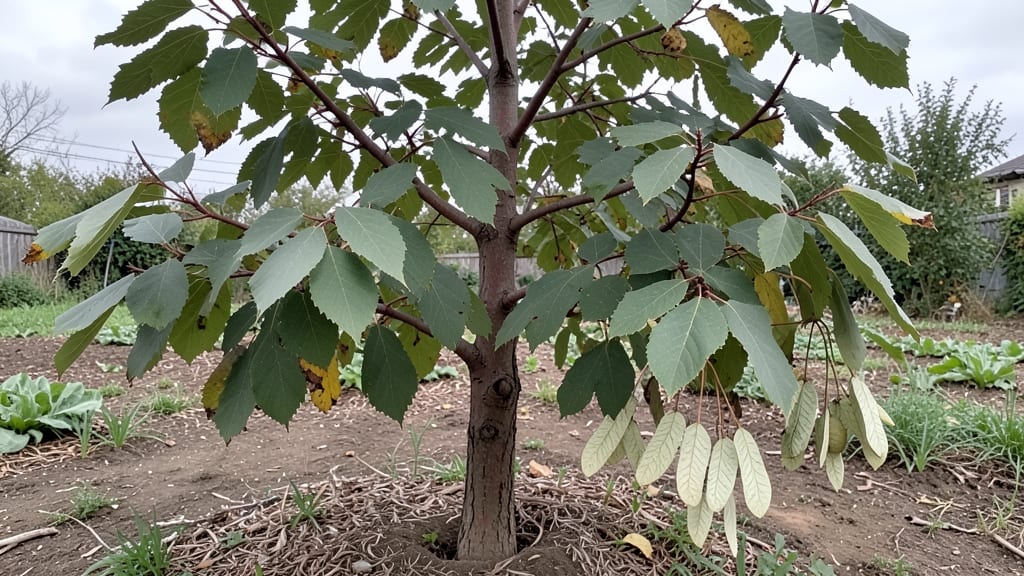
Boxelder seed pods turn your lawn into a helicopter pad by autumn. 🌿 I’ve spent years battling these winged invaders—until I discovered how to turn their chaos into a weed-free lawn. The pods aren’t just annoying; they’re a free, if unwanted, mulch that smothers grass.
Most people grab a rake and curse, but the real solution is timing and strategy. Collect pods before they drop in late summer, then use them to smother weeds naturally—just don’t let them pile up near your foundation (they attract pests).
A single tree can drop hundreds of pounds of pods, so plan for bulk cleanup.
By year three, your lawn will look thicker and greener, with fewer weeds fighting for space. The pods break down into organic matter, feeding the soil while keeping unwanted plants at bay. It’s like free compost, if you can ignore the squirrels stealing your lunch.
Works best in sunny lawns with established grass, but even shady patches see improvement. The key? Consistency—don’t let those pods linger, or you’ll trade one problem for another. Let’s clear the mess for good.
Nature’s Overproduction Explained
Boxelder seed pods—those papery, helicopter-like structures—don’t just appear by chance. Their proliferation is a survival strategy deeply rooted in biology, climate, and the tree’s evolutionary history. Understanding why they spread so aggressively helps homeowners anticipate and manage them effectively.
Boxelder trees (Acer negundo) are prolific seed producers, often releasing hundreds of thousands of seeds annually. This overabundance isn’t random—it’s a hedge against predation and environmental unpredictability. Here’s why:
- Low Germination Rates: Only about 1–5% of boxelder seeds successfully sprout in ideal conditions. To compensate, the tree floods the landscape with seeds, ensuring some survive despite challenges like drought, shading, or wildlife grazing.
- Short Lifespan: Boxelder trees mature quickly (5–10 years) but rarely live past 50–60 years. Their high seed output is a one-time reproductive burst to pass on genes before potential decline.
- Wind-Dispersal Efficiency: The winged seed pods harness wind currents to travel up to a mile from the parent tree. This wide dispersal reduces competition among seedlings and colonizes new areas.
Actionable Insight: If you’re dealing with a mature boxelder, expect peak seed drop in late summer to early fall (August–October). This is when pods turn brown and release seeds—plan for cleanup before they spread.
Boxelder trees thrive in disturbed or nutrient-rich soils, and their seed production spikes under specific conditions:
| Factor | Impact on Seed Pods |
|---|---|
| Warm, Wet Springs | Encourages vigorous tree growth, leading to more energy allocated to seed production (studies show up to 30% more pods in humid years). |
| Full Sun Exposure | Trees in open areas (like lawn edges or clearings) produce 2–3x more seeds than shaded counterparts due to higher photosynthesis. |
| Nutrient-Rich Soil | Soils high in nitrogen (e.g., near compost piles or fertilized lawns) fuel rapid growth, which directly correlates with increased seed output. |
Pro Tip:💡 If your lawn borders a forest edge or has compacted soil (common in urban areas), boxelder trees will exploit these conditions. Test soil pH and nutrients—amending clay or sandy soil can reduce their competitive edge.
While squirrels, birds, and deer do eat boxelder seeds, the tree’s defense mechanisms ensure survival:
- Toxic Seed Coatings: Some seeds contain cyanogenic glycosides, which deter herbivores. Animals often avoid them unless starving.
- Delayed Germination: Seeds can remain viable in the soil for 2–3 years, waiting for the perfect moment to sprout. This dormancy evades immediate threats like frost or grazing.
- Massive Output Overwhelms Predators: Even if 90% of seeds are eaten, the sheer volume ensures survival. For example, a single tree can produce 50,000+ seeds—enough to saturate a half-acre.
Why It Matters: Predator avoidance explains why boxelder pods persist even in areas with active wildlife. Manual removal (e.g., raking or mulching) is often the only way to break the cycle.
Boxelder trees exploit human activity to spread. Common lawn-related triggers include:
- Construction or Soil Compaction: Disturbed soil (from grading, foot traffic, or heavy equipment) creates gaps where seeds germinate easily.
- Over-Fertilization: Excess nitrogen in lawns boosts boxelder growth, leading to more aggressive seed production. (Ironically, this mimics natural forest-edge conditions.)
- Lack of Competition: Well-maintained turfgrass can suppress weeds, but if your lawn has bare patches or thin grass, boxelder seedlings seize the opportunity.
Actionable Fix:✨ Prevent soil disturbance near boxelder trees, and consider pre-emergent herbicides in early spring to block seed germination. For existing seedlings, hand-pulling with roots (to prevent regrowth) is critical.
How to Fix Unwanted Seed Pod Spread
If boxelder seed pods (or their tree hosts) are taking over your lawn, don’t panic—there are practical ways to reclaim your space. Below, we break down targeted solutions based on the root cause, from quick fixes to long-term prevention.
Follow these steps to restore your lawn’s health and curb seed pod invasions.
If boxelder trees are the source of your seed pod problem, removing them is the most effective long-term fix. These trees spread aggressively, and their seeds can linger in the soil for years. Here’s how to tackle it:
- 🔥 Identify and Cut Down Trees
- Hire a certified arborist to safely remove mature boxelder trees, especially if they’re large or near structures.
- Use a chainsaw or professional tree-cutting services for thick trunks. Never attempt this alone if the tree is over 30 feet tall.
- 👨🍳 Stump Grinding or Chemical Treatment
- After cutting, grind the stump to prevent regrowth. Stumps left untreated can sprout new shoots.
- Apply triclopyr (a systemic herbicide) to the stump’s fresh cut surface for a chemical kill. Follow label instructions carefully.
- 🌱 Monitor for Sprouts
- Boxelders resprout easily, so check the area monthly for new shoots. Pull or treat them before they mature.
💡 Pro Tip: If tree removal isn’t an option, prune branches strategically to reduce seed production. Focus on removing flowering limbs in late winter or early spring before seeds form.
Even without trees, boxelder seeds can lie dormant in your lawn for years. Break their cycle with these soil-level strategies:
- 🔪 Hand-Pull or Rake Out Seed Pods
- Wear gloves and collect seed pods before they split open (late summer to early fall). Spread them out to dry, then dispose of them in sealed trash bags.
- Rake your lawn regularly to remove fallen pods and disturbed seeds.
- 🌡️ Solarize the Soil (For Severe Infestations)
- Lay clear plastic sheeting over infested areas for 4–6 weeks in peak summer heat (80°F+). This method kills seeds and weeds by trapping heat.
- Water the soil before covering to enhance the effect.
- 🎯 Use Pre-Emergent Herbicides
- Apply a pre-emergent herbicide like pendimethalin or dithiopyr in early spring (before seeds germinate). Reapply after heavy rain.
- Note: These won’t kill existing weeds but prevent new ones from sprouting.
✨ Prevention Tip: After treating, overseed your lawn with dense, competitive grasses (like tall fescue or Kentucky bluegrass) to outcompete boxelder seeds for space and sunlight.
Outsmart boxelder seeds by creating an environment where they can’t thrive. A healthy lawn is the best defense:
| Action | How to Do It | Best Time |
|---|---|---|
| 🌱 Overseed Bare Spots | Fill thin areas with a high-quality grass seed mix and top-dress with compost. | Early fall or spring |
| 💧 Deep Watering | Water deeply 2–3 times per week (1–1.5 inches total) to encourage deep root growth. | Year-round (adjust for drought) |
| 🍃 Mow High | Set your mower to 3–4 inches to shade the soil and prevent seed germination. | Spring through fall |
| 🌿 Fertilize Properly | Use a slow-release, balanced fertilizer (10-10-10 or 16-4-8) in early spring and fall. | Spring (March–April) & Fall (September–October) |
💡 Pro Tip: Add a layer of mulch (2–3 inches) around tree bases (if you’re keeping trees) to block sunlight and discourage seedling growth.
If boxelder seed pods are overwhelming your lawn or you’re dealing with large, established trees, it’s time to bring in experts:
- 🌳 Arborists for tree removal or pruning.
- 🌱 Lawn care services for large-scale overseeding or herbicide applications.
- 🐛 Pest control if you suspect boxelder bugs (a related nuisance) are also invading.
Don’t let boxelder seed pods dictate your lawn’s fate—take action now to reclaim your outdoor space in just 3 years or less!
Frequently asked questions
Why do boxelder seed pods spread so aggressively?
Boxelder trees produce tens of thousands of seeds annually to ensure survival, as only 1-5% germinate naturally. Their winged pods travel up to a mile via wind, exploiting disturbed soils and nutrient-rich lawns. This overproduction is their survival strategy—think of it as nature’s backup plan against predators and harsh conditions.
Can I use boxelder seed pods as mulch?
Yes, but with caution! While they break down into organic matter, their high volume can smother grass if piled too thickly. Spread them thinly (1-2 inches) in garden beds or compost piles instead of lawns. They’re best used as a free soil amendment rather than mulch—just avoid letting them accumulate near foundations (they attract pests).
How do I stop boxelder seedlings from growing?
Pull them when small (hand-pulling works best) or apply pre-emergent herbicide in early spring before seeds sprout. For stubborn patches, solarize the soil with clear plastic for 4-6 weeks during summer heat. Overseeding with dense grass varieties like tall fescue also crowds out seedlings naturally.
Are boxelder seed pods harmful to pets?
Not directly, but they can create hazards. The pods themselves aren’t toxic, though some seeds contain mild cyanogenic compounds. The real risks are choking hazards (especially for small pets) and attracting rodents/squirrels that may carry diseases. Keep piles contained and dispose of them promptly to minimize risks.
What’s the best time to remove boxelder seed pods?
Collect them before they split open—typically from late summer through early fall (August-October). This prevents seeds from spreading and germinating. Rake pods into bags weekly during peak drop season, or use a leaf blower to gather them efficiently. Timing is everything to break their reproduction cycle!