
Lawn
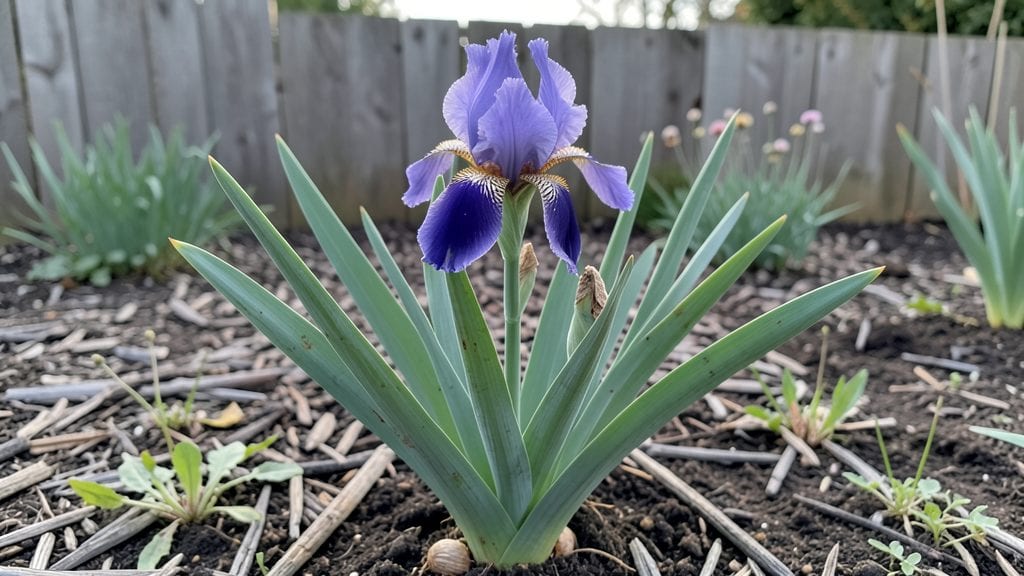
These seed capsules develop only after iris blooms complete their cycle, typically forming in late summer or early fall. 🌱 The transformation from flower to pod is fascinating—what starts as a delicate bloom becomes a tough, dry structure that protects the seeds inside.
Proper sunlight and moderate temperatures are crucial for healthy pod development, as extreme heat or cold can stunt growth or reduce seed viability.
Once mature, these seed pods split open dramatically, releasing flat, winged seeds that catch the wind for natural dispersal. The germination process, however, is delicate—most iris seeds need a period of cold stratification before they'll sprout reliably.
I've found that collecting pods when they're just starting to brown (not fully dried) gives the best results for home propagation.
💡 In This Article
- How Iris Seed Pods Develop and Mature
- Best Practices for Harvesting and Storing Iris Seeds
How iris seed pods develop and mature
The transformation from iris flower to seed pod begins with successful pollination, where bees and other insects transfer pollen from the plant's stamens to its stigma. This process triggers the ovary at the flower's base to swell and develop into a 3-inch-long capsule over 6-8 weeks.
The key factor here is temperature—ideal pod formation occurs between 65-75°F, while temperatures above 85°F can cause the pods to dry out prematurely or fail to develop properly.
As the pod matures, its texture changes dramatically from soft and green to papery and brown, a process called desiccation. Inside, thousands of tiny, flat seeds form with delicate winged edges—these wings help seeds catch wind for natural dispersal.
The pods typically reach full maturity in late summer to early fall, when they'll split open with a distinct popping sound, releasing seeds in a dramatic display. This splitting mechanism is triggered by internal pressure buildup as moisture levels drop below 20%.
Light exposure plays a critical role too—pods need at least 6 hours of direct sunlight daily to develop properly. I've noticed that shaded iris plants often produce smaller, weaker pods with lower seed viability.
The pods' outer layer contains silica deposits that give them their characteristic rough texture, which helps protect seeds from moisture and pests during their 2-3 month maturation period.
What most gardeners don't realize is that the pod's development stage can be tracked by its color progression: green (immature), yellow-green (developing), tan (mature but not yet dry), and finally brown (ready to split).
The seeds inside remain viable for up to 2 years when stored properly, though germination rates drop significantly after the first year. This explains why many gardeners miss the optimal harvesting window.
Environmental stress factors like sudden temperature drops or excessive humidity can cause pods to abort development or produce non-viable seeds. For example, a 24-hour freeze at 28°F can kill developing pods entirely, while consistent high humidity (>70%) promotes fungal growth that weakens the capsule walls.
The delicate balance between these factors is why iris seed pod development remains such a fascinating botanical process.
Here's what's actually happening at the cellular level: The ovary's cells undergo programmed cell death during maturation, creating air spaces that make the pod lightweight. This cellular breakdown is what allows the pod to split open cleanly when mature.
The seeds' wings develop from specialized elaiosome tissue, which contains oils that attract ants for dispersal in some species—a clever adaptation that ensures seed propagation.