
Lawn
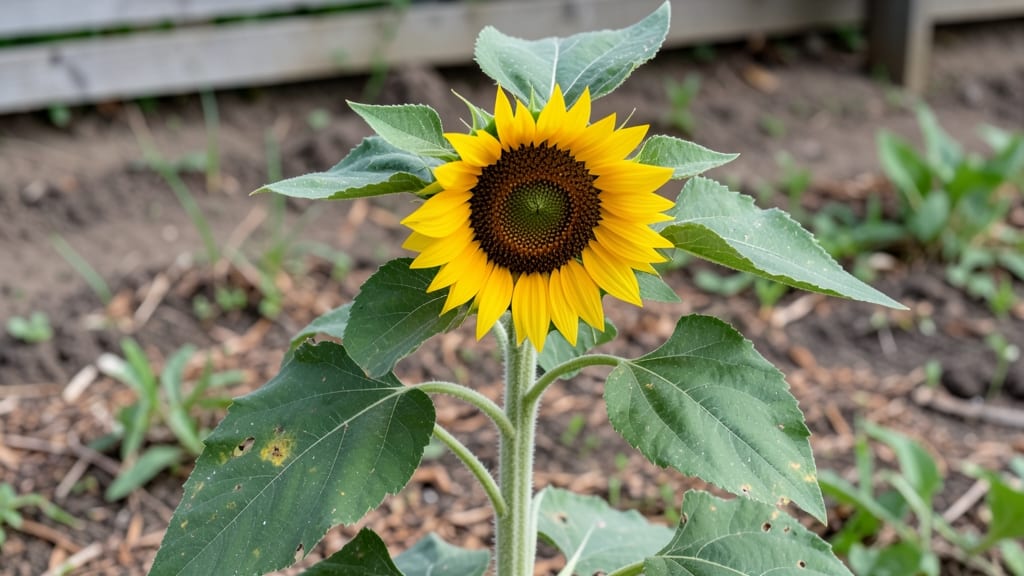
Black seed sunflowers transform any yard into a pollinator paradise with their striking dark blooms and towering stalks. 🌻 I planted my first patch last spring and watched bees, butterflies, and birds flock to them all season—turning my corner of the world into a thriving ecosystem.
These hardy plants aren't just pretty; they're the backbone of a self-sustaining garden that rewards you with seeds for bird feeders, oil, or next year's planting.
The secret to their success lies in just three things: well-drained soil, full sun, and patience. You don't need fancy equipment—just a trowel, some compost, and a sunny spot where they can stretch their roots deep.
Even in average soil, they'll grow tall and sturdy, producing those iconic dark seed heads that birds can't resist. The first year focuses on establishing strong roots; by year two, you'll have a forest of sunflowers that keeps giving back.
By midsummer, you'll be harvesting seeds that double as birdseed or oil-rich treats. The plants stay productive for years if you cut back spent blooms and protect them from pests like beetles.
My neighbors now ask for cuttings every spring—they're that impressive. This isn't just gardening; it's creating a legacy of food and beauty that keeps multiplying.
Works in any climate zone with proper timing: plant seeds after your last frost in spring or directly sow in fall for winter interest. The key is adapting the schedule to your local growing season while keeping those roots happy. Let's get your patch started—your future sunflower forest awaits.
📚 In This Guide
- What you need
- Instructions
- Tips and common mistakes
- Wrapping up and next steps
What you need
- ● Black seed sunflower seeds – Choose Helianthus annuus varieties like 'Black Oil' or 'Mammoth' (non-GMO, organic if preferred). Quantity: 1–2 lbs (enough for 100+ plants).
- ● Well-draining soil – Mix 60% topsoil, 30% compost, and 10% perlite/sand for optimal drainage. pH: 6.0–7.5.
- ● Garden space – Full sun (6+ hours daily) in a 5–6 ft wide x 5–6 ft deep plot (or containers with 12"+ depth).
- ● Watering can or hose – With a gentle spray nozzle for seedling care.
- ● Fertilizer – Balanced 10-10-10 or compost tea (apply at planting and mid-season).
- ● Mulch – Straw or wood chips (2–3 inches) to retain moisture and suppress weeds.
- ○ Stakes or trellis (optional for tall varieties) – 6–8 ft bamboo stakes or wire mesh for support.
- ● Seedling trays – For starting indoors 4–6 weeks before last frost (biodegradable pots preferred).
- ● Row cover or frost cloth – To protect young seedlings from late frosts or pests.
- ● Pollinator-friendly companions – Basil, marigolds, or borage to attract bees and deter pests.
- ● Harvesting tools – Pruning shears or a sharp knife for seed heads.
- ● Storage jars/containers – For saving seeds or storing harvested oil.
Step-by-Step instructions for planting black seed sunflowers
Here's the straightforward method I use to grow these striking pollinator magnets—no fancy tools, just reliable results.
🌱 Step 1: Prepare the Planting Site
Choose a location with full sun exposure—at least 6-8 hours daily. Black seed sunflowers thrive in well-draining soil, so avoid low spots where water pools. If your soil is heavy clay, mix in 2-3 inches of compost to improve drainage and fertility.
Loosen the soil to a depth of 12 inches using a garden fork or tiller. This breaks up compacted layers so roots can penetrate easily. I like to add a handful of bone meal at planting time to give the plants a phosphorus boost for strong root development.
🌱 Step 2: Plant Seeds at the Right Depth
Sow seeds ½ inch deep and 12-18 inches apart in rows that are 2 feet apart. Planting too deep delays germination, while shallow planting risks drying out the seeds. I use my finger to make small holes, drop in 2-3 seeds per spot (they germinate quickly), then cover lightly with soil.
Water gently after planting to settle the soil around the seeds. Keep the planting area consistently moist until germination, which typically occurs in 7-14 days. You'll see the first true leaves emerge as small, lance-shaped foliage—this is your signal that the seeds have sprouted successfully.
☀️ Step 3: Provide Consistent Care Through Growth
Once seedlings reach 4-6 inches tall, thin them to leave the strongest plant in each spot, maintaining your 12-18 inch spacing. Remove weaker seedlings at the base with a clean snip. This prevents overcrowding and reduces competition for nutrients.
Water at the base of plants in the morning to allow foliage to dry during the day, reducing disease risk. Black seed sunflowers are drought-tolerant once established, but they produce best with 1 inch of water weekly. You'll know they're happy when leaves are deep green and stems remain sturdy.
✂️ Step 4: Support and Harvest for Year-Round Bounty
As plants grow, they may need staking or trellising, especially in windy areas. I use 6-foot bamboo stakes tied loosely with soft twine to support the heavy seed heads. This prevents them from toppling over before harvest.
Harvest begins when the back of the seed head turns yellow and the seeds rattle when shaken. Cut the entire head, hang it upside down in a dry, well-ventilated spot, and let it cure for 2-3 weeks. Once fully dry, rub the seeds between your hands to remove them from the head—store in a cool, dark place for planting next season.
Tips & tricks for perfect black seed sunflower growth
A few simple tricks will help you grow thriving black seed sunflowers that attract pollinators all season long.
Soil Preparation Secret: The 12-inch deep soil loosening in Step 1 is non-negotiable for these sunflowers. Use a broadfork to gently aerate without disturbing the soil structure too much. I've found that adding a handful of bone meal at planting time—right where the roots will grow—gives them a real energy boost for those first critical weeks. This is especially important if your soil tests low in phosphorus.
Planting Precision: That ½-inch planting depth in Step 2 makes all the difference. Use a pencil or your finger to create consistent holes—don't eyeball it! I like to make a small "X" mark on my planting string to maintain that 12-18 inch spacing between plants. This spacing prevents overcrowding and gives each plant room to develop those impressive seed heads. Trust me on this: proper spacing now means fewer headaches later.
Germination Timing: The 7-14 day germination window can feel like forever, but there's a trick to speed things up. After planting, cover the area with a thin layer of straw mulch—just enough to retain moisture without smothering the seeds. This keeps the soil consistently moist while protecting against temperature swings that can delay germination. I've seen germination happen in as few as 5 days with this method!
Harvesting Hack: When harvesting in Step 4, don't just cut the seed heads—leave about 6 inches of stem attached. This extra stem helps the seed head hang more securely during the 2-3 week curing process. I hang my harvested heads in my garage where the temperature stays around 70°F and there's good airflow from an open window. This controlled environment prevents mold while ensuring even drying.
Pro Tips for Black Seed Sunflowers
- A few simple tricks will help you grow thriving black seed sunflowers that attract pollinators all season long.
- Soil Preparation Secret: The 12-inch deep soil loosening in Step 1 is non-negotiable for these sunflowers.
- Planting Precision: That ½-inch planting depth in Step 2 makes all the difference.
Frequently asked questions
Got questions about growing black seed sunflowers?
Here are answers to the most common ones—whether you're a first-time gardener or a seasoned pro looking to optimize your pollinator haven.
Are black seed sunflowers easy to grow for beginners?
These hardy perennials thrive in USDA zones 3-9 and are drought-tolerant once established. Plant seeds directly in well-draining soil (they hate soggy roots!), and they’ll self-seed prolifically—meaning fewer chores for you. Just give them full sun (6+ hours daily) and minimal fuss. Pro tip: Start seeds indoors 4-6 weeks before your last frost for a head start.
How long does it take for black seed sunflowers to mature and produce seeds?
From seed to seed head, expect 90-120 days in ideal conditions. Early blooms appear in late summer, with seeds ripening by fall. If you’re growing them for pollinators, the flowers will attract bees and birds within weeks of sprouting. Note: Deadhead spent blooms to encourage more flowers (and seeds!) if you’re harvesting.
Can I grow black seed sunflowers in containers or small spaces?
Yes! While they prefer 6+ feet of space to sprawl, dwarf varieties (like ‘Moulin Rouge’) thrive in 5-gallon containers or raised beds. Ensure the pot has drainage holes and use a lightweight potting mix. Place containers in full sun and fertilize sparingly—these sunflowers are low-maintenance but love a little compost boost at planting time.
What should I do if my black seed sunflowers aren’t flowering?
No flowers? Check these fixes:
- Light: Ensure they get 6+ hours of direct sun daily.
- Water: Overwatering can stress roots—let soil dry slightly between waterings.
- Nutrients: Add a balanced fertilizer (10-10-10) at planting and mid-season.
- Age: Perennials may take 2 years to fully mature and bloom.
If the problem persists, try transplanting to a sunnier spot. Fun fact: Stress (like transplant shock) can delay blooms—be patient!
Are black seed sunflowers deer- or pest-resistant?
While deer rarely bother them, rabbits and squirrels might snack on seedlings. Protect young plants with row covers or fencing. Pests like aphids or sunflower moths are uncommon but can appear—spray with neem oil if needed. Good news: Their tall stalks deter some critters, and they’re non-toxic to pets if ingested.
Wrapping up and next steps
Black seed sunflowers aren’t just stunning perennials—they’re low-maintenance, pollinator magnets that reward you with year-round beauty and edible seeds. Whether you’re a beginner gardener or a seasoned green thumb, these hardy plants thrive with minimal effort, making them a perfect addition to any yard. 🌻✨
Ready to transform your lawn into a thriving ecosystem? Start by gathering your supplies and choosing the perfect spot—then watch your garden buzz with life! Plant your first seeds this season and enjoy the sweet rewards of a pollinator-friendly paradise.