Advice
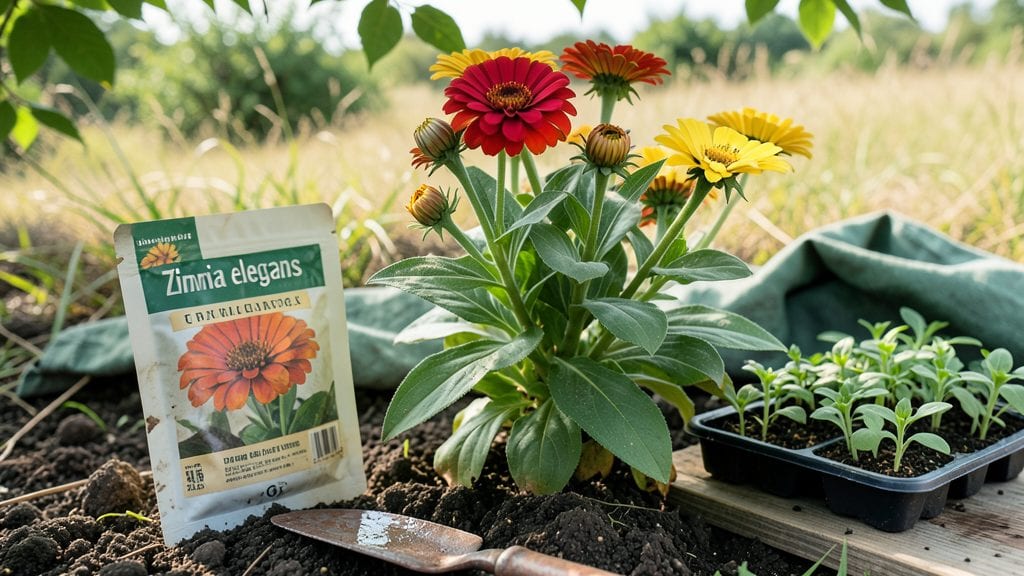
Zone 6 seeds thrive with last-frost dates between March 10 and April 10, favoring cold-hardy vegetables like kale, broccoli, and peas, alongside perennials such as lavender and coneflowers for year-round success. Plant cool-season crops early and warm-season varieties after soil warms to 60°F.
Choosing the right seeds for Zone 6 means working with your climate's unique rhythm—where chilly springs and warm summers create ideal conditions for both hearty greens and vibrant perennials. 🌱 The key is timing: cool-season plants like spinach and lettuce need to hit the ground before the last frost, while tomatoes and peppers wait patiently until the soil reaches 60°F.
I’ve found that mixing early and late varieties extends harvests, giving you fresh peas in spring and fall while summer crops like zucchini take center stage.
What sets Zone 6 apart is its ability to grow perennials that thrive year after year, like lavender and coneflowers, which not only beautify your garden but also attract pollinators.
The trick is balancing your planting schedule with soil prep—adding compost before sowing ensures roots get the nutrients they need to establish quickly. For container gardens or raised beds, this means adjusting watering slightly since they dry out faster than in-ground soil.
💡 In This Article
- Understanding Zone 6 Climate and Seed Hardiness
- Zone 6 Planting Calendar for Maximum Yield
Understanding Zone 6 climate and seed hardiness
The Zone 6 climate creates a perfect balance for seed germination and growth, thanks to its 10-20°F average minimum winter temperatures and 180-240 frost-free days annually.
This range allows cold-hardy plants like broccoli and kale to thrive through early spring plantings while warm-season crops such as tomatoes and peppers mature fully before fall's first frost.
The key factor is the soil temperature threshold—most seeds need 40-60°F soil to germinate, which Zone 6 typically reaches by early April. 🌱
Here's what's actually happening beneath the surface: Zone 6's moderate humidity levels (40-60%) and well-drained loamy soils create ideal conditions for root development. For example, peas and carrots germinate best in 50-60°F soil, while beans and squash prefer 65-75°F.
The 12-15 inch annual rainfall provides consistent moisture without waterlogging, though container gardens may need supplemental watering during dry spells. Elevation adjustments matter too—every 1,000 feet gain drops temperatures by 3-5°F, potentially delaying planting by 1-2 weeks in mountainous areas.
Wind exposure plays a critical role in seed success. Gardens in open areas experience 10-15 mph prevailing winds that can dry out seedlings, while sheltered spots maintain 5-10% higher humidity near the soil surface.
This is why windbreaks made of shrubs or fencing can extend the growing season by 2-3 weeks for early plantings. For instance, spinach and lettuce planted in exposed areas may bolt prematurely, while protected beds allow for 30-40% longer harvest windows.
The science behind this involves transpiration rates—plants lose moisture faster in windy conditions, triggering stress responses that shorten their growth cycle.
Microclimates within Zone 6 create dramatic differences in seed performance. South-facing slopes warm 5-10°F faster than north-facing areas, allowing for 2-3 week earlier plantings of warm-season crops. Meanwhile, low-lying areas may experience 2-4°F colder nighttime temperatures due to cold air settling.
This is why gardeners often divide their space into sunny, partially shaded, and shaded zones, matching plant varieties accordingly. For example, Swiss chard thrives in partial shade where temperatures stay 10-15°F cooler than full sun areas, while peppers demand the hottest spots.
What most people don't realize is how soil microbial activity varies across Zone 6. The 20-30% organic matter in well-maintained garden soil supports beneficial bacteria that break down nutrients at optimal rates. In cooler microclimates, these microbes work 30-50% slower than in warmer areas, affecting seedling vigor.
This is why composting before planting boosts early growth—adding 2-3 inches of compost increases soil temperature by 2-5°F through microbial heat generation, accelerating germination by 5-7 days in early spring plantings.
Consider these key factors when matching seeds to your specific conditions:
- Elevation: Adjust planting dates by 1 week per 500 feet gain in elevation
- Wind exposure: Use windbreaks for 10% faster seedling growth in open areas
- Soil type: Sandy soils warm 2-3°F faster than clay soils in spring
- Microclimate: South-facing beds can support 30% more heat-loving crops
The most successful Zone 6 gardeners I've met treat their space like a puzzle, matching each seed variety to its perfect microclimate. This precision explains why some gardeners achieve 50% higher yields with the same seed varieties by simply adjusting their planting locations. 💫