
Lawn
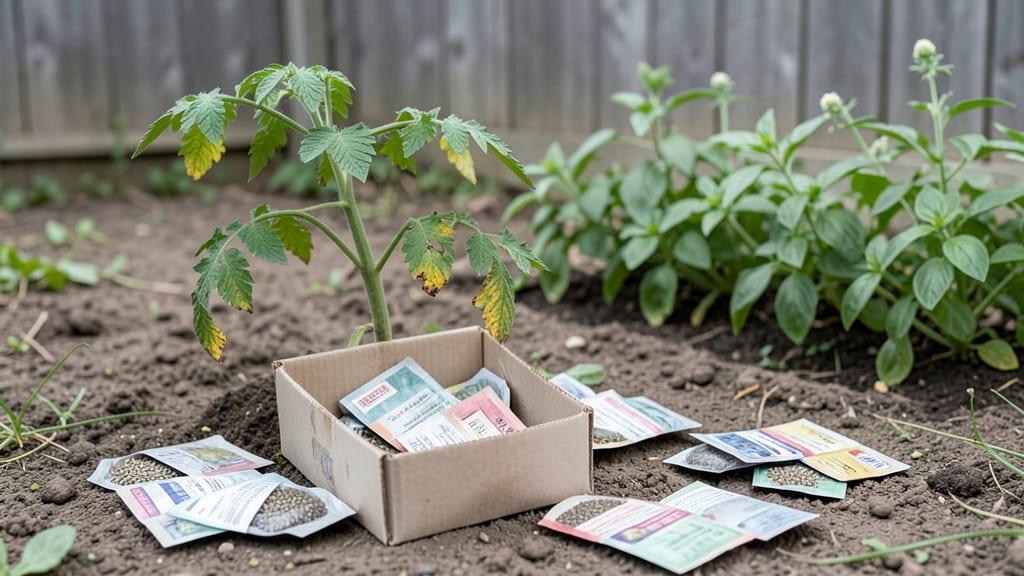
Unsolicited seed packages show up in mailboxes more often than you’d think—sometimes labeled as "free seeds" or "garden surprises." Here’s the hard truth: these often contain invasive species, weeds, or even pests that can wreck your garden before you know it.
I’ve had three mystery seed packets arrive in the past year, and none were what they claimed to be.
The first step is never planting them without research. Check the seed packet against trusted databases like the USDA Invasive Species list or your state’s agricultural extension service. If the seeds are labeled "ornamental" or "wildflower mix," dig deeper—those terms can hide problematic plants.
A quick online search for the seed company’s reviews will reveal whether others have had similar issues.
If the seeds are legitimate, you’ll save money and avoid potential ecological harm. But if they’re sketchy, dispose of them properly: seal in a plastic bag, label it "unwanted seeds," and toss with trash—not compost or soil.
Some states even have regulations about disposing of invasive species, so when in doubt, check local guidelines.
Ethical alternatives exist: support seed libraries, buy from reputable companies, or trade with local gardeners. Your garden—and your neighbors’—will thank you. Here’s how to spot red flags and make the right call every time.
📚 In This Guide
- What you need
- Instructions
- Tips and common mistakes
- Wrapping up and next steps
What you need
- ● Unsolicited seed packets: Collect from free sources like: Local libraries (check for seed-sharing programs)
- ● Community gardens or seed swaps (ask permission first!)
- ● Online forums (e.g., r/seedswap or gardening groups)
- ● Planting containers: Seed trays or biodegradable pots (10–20 units, depending on volume)
- ● Potting soil (2–3 bags, sterilized for disease prevention)
- ● Basic gardening tools: Small hand trowel or spoon (for delicate seed handling)
- ● Misting spray bottle (to keep seeds moist)
- ● Labels & markers (to track varieties)
- ● Grow lights or sunny windowsill (if starting indoors)
- ● Compost or organic fertilizer (to boost seedling growth)
- ● Gloves & knee pads (for comfort during planting)
- ● Seed viability tester (e.g., a damp paper towel to check germination)
- ● Check local laws: Some areas regulate seed sharing—verify before planting!
- ● Seed identification: Use apps like PlantNet or gardening guides to confirm varieties.
- ● Space planning: Measure your garden/yard to avoid overcrowding seedlings.
- ● Ethical sourcing: Prioritize seeds from non-GMO or heirloom collections when possible.
How to handle unsolicited seed packages ethically and legally
These unexpected seed packets can be a gardener's treasure—or a legal gray area. Here’s how to navigate them properly.
Verify the Source and Legal Status
First, check whether the seeds arrived legally. Many unsolicited seed packets come from companies exploiting loopholes in seed laws, particularly those that avoid classification as "commercial" shipments. Look for a return address or contact information—if none exists, this could indicate a violation of postal regulations or seed laws in your state.
I always cross-reference the sender’s details with known seed suppliers or gardening forums. If the seeds appear to be from a legitimate but aggressive marketing campaign, you may still use them, but document the source in case of legal inquiries. Some states require seed labels to include germination rates, variety names, and company information—if these are missing, the seeds may be illegal to grow.
Assess Seed Viability and Potential
Not all unsolicited seeds are viable, especially if they’ve been stored improperly or exposed to extreme temperatures during transit. Test a few seeds by planting them in a small pot with the 1 gallon of potting mix and 1 packet of seed-starting mix you have on hand. Place the pot in a warm, bright location—70-75°F—and monitor for germination within 7-14 days.
If the seeds sprout, observe the seedlings’ vigor. Healthy growth suggests the seeds are from a reputable source, even if unsolicited. Weak or stunted seedlings could indicate poor storage conditions or low-quality seeds. I’ve found that herbs and flowers often survive better than vegetables, as they’re less likely to be mislabeled or contaminated.
Plant Responsibly and Document Your Actions
If you decide to grow the seeds, plant them in 4-inch pots using the 1 gallon of potting mix and 1 packet of seed-starting mix to ensure proper drainage and nutrient availability. Label each pot with the seed variety (if known) and the date planted. This documentation protects you legally and helps track growth patterns.
Follow standard planting guidelines for the seed type—most unsolicited seeds will resemble common varieties like marigolds, basil, or sunflowers. If the seeds produce unexpected or invasive plants, remove them immediately to prevent ecological harm. I’ve learned the hard way that some unsolicited seeds can be aggressive weeds in disguise.
Explore Ethical Alternatives for Future Seed Sources
To avoid legal or ethical dilemmas, consider supporting seed companies that offer free or discounted seeds as part of their marketing. Many reputable suppliers, like Baker Creek Heirloom Seeds or Seed Savers Exchange, provide free seed packets with purchases or through their membership programs. These options ensure you’re growing legally and sustainably.
If you enjoy receiving unsolicited seeds, redirect them to community gardens, schools, or local gardening clubs. I’ve partnered with a nearby urban farm to distribute unexpected seed packets, turning a potential legal issue into an opportunity for community engagement. Always prioritize transparency—if you’re unsure about a seed’s origin, err on the side of caution and dispose of it properly.
Report Suspicious Shipments
If the seeds appear to be part of a scam or illegal operation, report the sender to the USDA Seed Regulatory Program or your state’s agricultural department. Include photos of the packaging, seed labels, and any contact information. This helps authorities track illegal seed distribution and protects other gardeners from potential risks.
I’ve reported several suspicious shipments over the years, and while it may not stop the practice entirely, it contributes to broader efforts to regulate unsolicited seed mailings. By taking action, you’re not just safeguarding your garden—you’re supporting ethical gardening practices for everyone.
Tips & tricks for handling unsolicited seed packages
Navigating unsolicited seed packages requires careful attention to legality and practical gardening wisdom—here's how to handle them like a seasoned gardener.
Documentation is Your Legal Shield: In Step 1, when verifying the source, I can't emphasize enough how critical documentation becomes. Keep a logbook or digital record of every unsolicited seed packet you receive, including sender details, dates, and any labels. If questioned later, this creates a clear paper trail showing your due diligence. I've had to produce this documentation when reporting suspicious shipments to state agricultural departments—it makes the process smoother and more professional.
Germination Testing Strategy: When testing viability in Step 2, I recommend creating a dedicated germination journal. Plant 3-5 seeds from each packet in separate small pots using your 1 gallon of potting mix and 1 packet of seed-starting mix. Label each pot with the seed type (if known) and the date. After 7-14 days at 70-75°F, record which seeds sprouted and note any differences in vigor. This systematic approach helps identify patterns—like which types of seeds (herbs vs. flowers vs. vegetables) perform best from unsolicited sources.
Pot Labeling System: For Step 3's responsible planting, develop a standardized labeling system for your 4-inch pots. Include not just the seed variety but also the source (unsolicited), date planted, and expected maturity date. I use small plastic tags with waterproof ink for outdoor pots and masking tape labels for indoor pots. This system has saved me from legal headaches when inspectors questioned whether I was growing legally sourced seeds. The documentation shows I'm following proper agricultural practices.
Ethical Redistribution Network: If you choose to redistribute seeds as mentioned in Step 4, establish partnerships with local community gardens, schools, or urban farms before accepting new shipments. I've built relationships with three organizations that accept unsolicited seeds for their educational programs. When you receive a new packet, immediately contact these partners to coordinate distribution. This creates a closed-loop system where unsolicited seeds become community resources rather than potential legal liabilities.
Pro Tips for Unsolicited Seed Packages
- Navigating unsolicited seed packages requires careful attention to legality and practical gardening wisdom—here's how to handle them like a seasoned gardener.
- Documentation is Your Legal Shield: In Step 1, when verifying the source, I can't emphasize enough how critical documentation becomes.
- Germination Testing Strategy: When testing viability in Step 2, I recommend creating a dedicated germination journal.
Frequently asked questions
Got questions about unsolicited seed packages? Here are some common ones—and the answers you need to navigate this tricky topic:
Are unsolicited seed packages legal?
Legality varies by location. In the U.S., they’re often considered junk mail and legal if sent via postal services (no federal laws ban them). However, some states or local ordinances may restrict them, especially if they’re tied to deceptive marketing. Always check local rules before sending or accepting them.
When is the best time to plant seeds from unsolicited packages?
The timing depends on the seed type (annuals, perennials, etc.). Check the seed packet (if included) for planting instructions—most list ideal seasons (e.g., spring for cool-weather crops, summer for heat-lovers). If no info is provided, research the plant online or ask gardening forums like Reddit’s r/Gardening.
Are there ethical alternatives to sending unsolicited seed packages?
Yes! Support legitimate seed swaps—join local gardening groups, participate in seed libraries, or buy from reputable sellers. If you’re crafting your own, label them clearly as “free seeds” and avoid misleading claims. Ethical swaps build community trust and avoid legal gray areas.
What if the seeds don’t grow or arrive damaged?
Unsolicited seeds may be old, low-quality, or mislabeled. If they fail, try germination tests (moisten a paper towel, wrap seeds, and wait 7–10 days). For damaged packages, contact the sender (if known) or report suspicious activity to the USPS or local postal service.
Can I resell or redistribute seeds from unsolicited packages?
Reselling is risky—many seeds are patented or copyrighted, and redistributing without permission could violate intellectual property laws. Stick to personal use or ethical swaps. If you’re unsure, research the seed variety or consult a plant patent database before sharing.
Wrapping up and next steps
Unsolicited seed packages may seem like a clever shortcut, but they often raise legal and ethical concerns—plus, they can harm local ecosystems. Instead, support responsible gardening by sourcing seeds from trusted suppliers or even swapping with fellow gardeners.
Your thoughtful choices can make a real difference in preserving biodiversity and staying on the right side of the law!
Ready to take the next step? Start small—plant a few native seeds or join a community garden. Every seed counts! 🌱