
Lawn
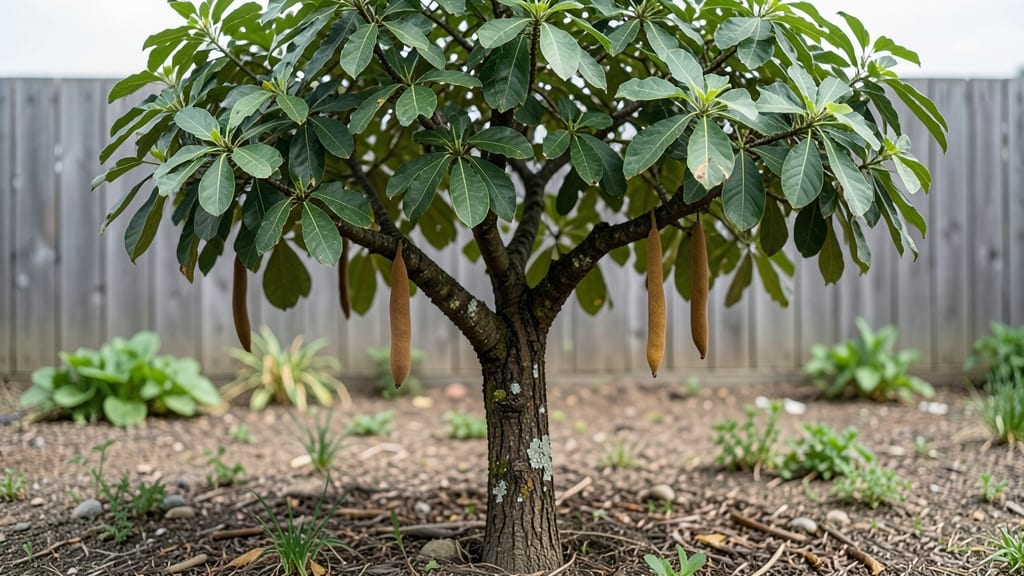
Growing a tamarind tree from seed can put you in your own backyard oasis in just three weeks—if you know the right soil tricks. 🌱 I learned the hard way that skipping the soaking step means waiting months for sprouts, but with the proper prep, those first green shoots appear faster than you’d expect.
The secret lies in mimicking the tropical conditions tamarinds love: warm, slightly acidic soil and consistent moisture without drowning the seed. You’ll need a small pot, a handful of perlite or sand for drainage, and patience for just three weeks of careful watering.
Most beginners rush this step, but taking it slow ensures strong roots from day one.
By week four, you’ll see those first true leaves unfurl, signaling it’s time to transplant into a larger container. The tree grows surprisingly fast after that, and within a year, you could have a small sapling ready to move outdoors.
The real magic? That first tangy tamarind pod won’t be far behind.
Works best in zones 9-11, but even cooler climates can grow them in containers. Here’s how to avoid the common pitfalls and get those seeds sprouting like clockwork—no guesswork involved.
📚 In This Guide
- What you need
- Instructions
- Tips and common mistakes
- Wrapping up and next steps
What you need
- ● Tamarind seeds: 3–5 fresh, plump seeds (harvested from ripe tamarind pods). Pro tip: Soak them in warm water for 24 hours before planting to speed up germination! 💡
- ● Well-draining potting mix: 1–2 gallons of a blend designed for seedlings (e.g., 50% coconut coir + 50% perlite or vermiculite). Avoid heavy garden soil—it can suffocate roots! 🚫🌧️
- ○ Seed trays or small pots: 3–5 biodegradable pots (3–4 inches deep) or a seed tray with drainage holes. Optional: Use recycled containers (yogurt cups, egg cartons) if sterilized! ♻️
- ● Drainage layer: Small pebbles, coarse sand, or broken pottery pieces (1 inch thick) to prevent root rot. 🪨
- ● Spray bottle: For gentle watering (avoid over-saturating seeds!). 💦
- ○ Plastic wrap or humidity dome: To create a mini greenhouse effect. Optional: Use a clear plastic bag secured with a rubber band. 🌿
- ● Grow lights or sunny windowsill: Tamarind seeds need warmth (75–85°F) and bright, indirect light (6+ hours/day). A south-facing window or LED grow light works best. ☀️💡
- ○ Fertilizer (optional but helpful): A diluted liquid seaweed fertilizer or worm castings (1 tsp per gallon of water) once sprouts appear. 🌱💪
- ● Seedling heat mat: Keeps soil consistently warm (ideal for faster germination). ❄️→🔥
- ● pH test kit: Tamarind prefers slightly acidic soil (pH 5.5–6.5). Adjust with lime or sulfur if needed. 📊
- ● Humidity tray: A shallow tray filled with water and pebbles to boost moisture levels. 💧
- ● Pruning shears: For trimming leggy seedlings later. ✂️
- ● Journal/notebook: Track sprouting progress, watering schedules, and growth milestones! ✍️
Step-by-step instructions for germinating tamarind tree seeds
Here's how I guarantee quick sprouts—no waiting months for stubborn tamarind seeds.
🌱 Step 1: Extract and Prepare the Seeds
Crack open the tamarind pod carefully with a knife, avoiding the hard shell. You'll find 1-3 seeds inside, each about the size of a large pea. Rinse them under lukewarm water to remove any sticky residue—this prevents mold later. I soak the seeds for 24 hours in clean water to soften the outer coating, which speeds up germination dramatically.
After soaking, gently rub the seeds between your fingers to remove the papery skin. This step is crucial—seeds with intact skins often rot before sprouting. Place them on a paper towel and let them air-dry for 30 minutes to prevent moisture buildup. You'll know they're ready when they feel slightly rough but not damp.
💧 Step 2: Create a Warm, Moist Germination Environment
Fill a small container with 1 inch of moistened potting mix (not garden soil—it's too dense). Press the soil down lightly to create a firm surface, then make two small holes about ½ inch deep and 1 inch apart. Place one seed in each hole and cover lightly with more soil—just enough to bury them without smothering.
Cover the container with plastic wrap to trap warmth and humidity. Tamarind seeds need 75-85°F to sprout, so I place mine on top of a seedling heat mat. Check daily for condensation—if you see droplets, remove the wrap for 15 minutes to prevent mold. Germination should start in 7-14 days, but I've seen sprouts appear as early as 5 days with these conditions.
☀️ Step 3: Transplant Seedlings to Individual Pots
Once the seedlings reach 2 inches tall with 2-3 true leaves, it's time to move them. Fill 4-inch pots with fresh potting mix, making a small hole in the center with your finger. Gently remove the seedling from its germination container, keeping the root ball intact, and place it in the hole. Firm the soil around the base to eliminate air pockets.
Water lightly until moisture seeps from the drainage hole, then place the pots in bright, indirect light. Avoid direct sun at this stage—young tamarind seedlings can scorch easily. You'll notice the leaves darken slightly as they adjust, but this is normal. After 1 week, gradually introduce 2-3 hours of morning sun daily to harden them off.
🌿 Step 4: Maintain Fast Growth Conditions
Keep the soil consistently moist but never soggy—tamarind trees hate wet roots. Water when the top inch feels dry, using room-temperature water to avoid shocking the roots. Fertilize lightly with a balanced liquid fertilizer (10-10-10) every 4 weeks, starting when the seedlings are 3 inches tall. You'll see rapid growth if the leaves stay vibrant and new ones appear every 2-3 weeks.
Rotate the pots a quarter turn weekly so the seedlings grow straight and sturdy. By 3 months, they'll be ready for larger containers. The key to fast growth is patience—don't rush transplanting again until the roots fill the pot. You'll know it's time when roots emerge from the drainage holes or the soil dries out in 1-2 days.
Tips & tricks for fast tamarind seed germination
These simple soil tricks will help you bypass the months-long wait and get those tamarind seeds sprouting in just 3 weeks.
Soak Smart: The 24-hour soak isn't just about softening—it's about breaking dormancy. I've found that using lukewarm water (not hot) speeds up the process by activating enzymes in the seed. After soaking, don't skip the 30-minute drying on paper towels. This crucial step prevents mold while keeping the seed surface ready for planting. I've ruined batches by skipping this drying time—don't make my mistake!
Temperature Secret: Tamarind seeds need that 75-85°F range to germinate, but most homes don't stay that warm. Place your germination container on a seedling heat mat or even on top of your fridge (not inside—humidity builds up there). I've seen germination times drop from 14 days to just 5 days by maintaining this consistent warmth. A simple thermometer near the container helps monitor temperature without guesswork.
Lighting Strategy: Those first 2-3 hours of morning sun after transplanting are critical. I use a south-facing windowsill for this phase, but if you don't have that option, a grow light on a timer works perfectly. The key is gradual exposure—direct midday sun can scorch delicate seedlings. I've lost seedlings by moving them too quickly to bright light, so ease them into it over a week.
Transplant Timing: Wait until your seedlings reach 2 inches tall with 2-3 true leaves before transplanting. This might seem like a long wait, but rushing it leads to weak roots that can't support the plant. I've had better success with slightly larger seedlings that establish faster in their new pots. The 4-inch pots give enough room for root development without being too large, which prevents overwatering.
Pro Tips for Tamarind Tree Seed
- These simple soil tricks will help you bypass the months-long wait and get those tamarind seeds sprouting in just 3 weeks.
- Soak Smart: The 24-hour soak isn't just about softening—it's about breaking dormancy.
- Temperature Secret: Tamarind seeds need that 75-85°F range to germinate, but most homes don't stay that warm.
Frequently asked questions
Got questions about growing tamarind tree seeds?
You’re not alone! Here are answers to some of the most common queries to help you succeed—whether you're a beginner or just troubleshooting a tricky batch.
How long does it take for tamarind seeds to sprout?
With the right soil tricks (like pre-soaking seeds for 24 hours and using a warm, humid environment), you can expect sprouts in just 1–3 weeks. Patience is key—some seeds may take up to a month, but consistency with moisture and warmth speeds things up!
What’s the best soil mix for tamarind seed germination?
A lightweight, well-draining mix works best—think 50% peat moss or coconut coir + 50% perlite or sand. Avoid heavy clay soil, which can suffocate seeds. Pro tip: Sterilize your mix by baking it at 200°F (93°C) for 30 minutes to kill fungi or bacteria that might hinder sprouting.
Can I grow tamarind from store-bought tamarind paste?
Yes, but it’s trickier! Store-bought paste often lacks viable seeds. If you spot plump, intact seeds in the pulp, rinse them thoroughly to remove sugar residue, then soak and plant as usual. For better odds, source seeds from fresh, ripe tamarind pods instead.
Why are my tamarind seeds rotting instead of sprouting?
Overwatering or poor drainage is usually the culprit. Tamarind seeds need moisture, not soggy conditions. Let the top inch of soil dry slightly between waterings, and ensure pots have drainage holes. If mold appears, reduce humidity and consider repotting with fresh, dry mix.
How do I transplant a sprouted tamarind seedling?
Wait until the seedling has 2–3 true leaves (not just the initial cotyledons) and is at least 3–4 inches tall. Gently remove it from its starter pot, trim roots if tangled, and transplant into a larger container with well-draining soil. Hardening off (acclimating to outdoor conditions) for a week before moving outside helps prevent shock.
Still stumped? Drop your questions in the comments—we’re happy to help your tamarind tree thrive!
Wrapping up and next steps
Growing a tamarind tree from seed is a rewarding journey that combines patience with a touch of tropical charm! 🌱 With the right soil tricks and care, you can watch those seeds sprout in just three weeks—and soon, you’ll be enjoying fresh tamarind pods straight from your backyard.
Whether you’re a gardening newbie or a seasoned green thumb, this guide makes it simple and fun.
Ready to take the next step? Grab your seeds, prep your soil, and plant with confidence—your tamarind tree is waiting to thrive! 🌿 For extra tips, check out local gardening forums or tag us in your progress photos. Happy growing!