Pruning
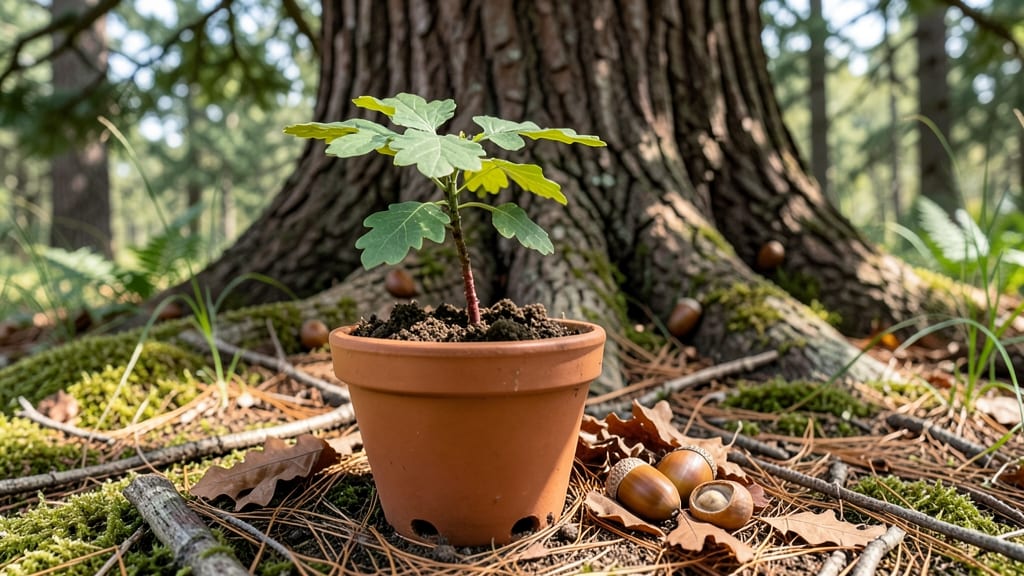
Turning a tiny seedling into a year-round privacy screen in three years isn’t just possible—it’s the most rewarding garden project I’ve ever tackled. 🌱 The secret lies in understanding how fast your tree grows and what it needs at each stage, from its first fragile leaves to a sturdy trunk that blocks nosy neighbors.
I’ve learned the hard way that skipping steps here means years of stunted growth or weak branches later.
You’ll need fast-growing species like Leyland cypress, arborvitae, or hybrid poplars—trees that gain 3-5 feet per year when given the right conditions.
Start with well-draining soil mixed with compost, a sunny spot with at least 6 hours of light daily, and a consistent watering routine that keeps roots moist but never soggy.
The first year is all about root development, so don’t rush—those hidden roots are what’ll feed your tree’s future height.
By year two, you’ll see dramatic changes: branches filling out, leaves thickening, and that unmistakable woody scent when you run your hand along the trunk. Prune strategically in late winter to shape the tree and encourage upward growth, and watch as it doubles in height.
Within three years, you’ll have a 15-20 foot tall living wall that feels like it’s been there for decades.
Here’s the kicker: the care shifts as the tree matures. Early years demand daily checks; later years just need seasonal pruning and mulch. The payoff? A private, lush backdrop that grows on its own. Let’s get those seedlings planted right—this is where the magic starts.
📚 In This Guide
- What you need
- Instructions
- Tips and common mistakes
- Wrapping up and next steps
What you need
- ● Seedlings: 10–20 fast-growing native trees (e.g., Thuja, Bamboo, or Leyland Cypress), 1–2 ft tall. Pro tip: 💡 Choose disease-resistant varieties for low-maintenance growth!
- ● Soil: 50+ lbs of high-quality loamy soil (pH 6.0–7.0) or a 50/50 mix of topsoil and compost.
- ● Fertilizer: 1 lb of balanced 10-10-10 or slow-release organic fertilizer (e.g., fish emulsion).
- ● Mulch: 10–15 bags of wood chips or straw mulch (3–4 inches deep).
- ● Watering Supplies: Garden hose with adjustable nozzle (for gentle watering).
- ● 5-gallon watering can (for seedlings).
- ● Planting Tools: Shovel or trenching spade (for digging).
- ● Garden gloves (1 pair).
- ● Pruners (bypass pruners for clean cuts).
- ○ Support (Optional): Stakes or tree guards (for young, tall seedlings).
- ● Tie-down straps (if planting in windy areas).
- ● Location: Full sun (6+ hours/day) or partial shade (for moisture-retentive species).
- ● Spacing: Plant seedlings 3–6 ft apart (closer for dense screens, wider for mature growth).
- ● Weather Check: Plant on a cool, cloudy day or water thoroughly before/after planting.
- ○ Soil Test (Optional but Recommended): Test soil pH and nutrients to avoid surprises. Pro tip: 🌡️ Amend clay soil with sand or peat moss for better drainage!
Step-by-Step instructions for growing fast privacy trees
Here's how to transform 4 seedlings into a lush, year-round privacy screen in just three years.
🌱 Step 1: Select and Prepare Your Planting Site
Choose a location with at least 6 hours of sunlight daily—fast-growing trees like Leyland cypress or emerald green arborvilla thrive in full sun. Mark your planting spots 8-10 feet apart to allow mature branches to touch without crowding. Use a shovel to dig holes twice as wide and deep as the root ball—this gives roots room to spread and establish quickly.
Amend the native soil with 2-3 inches of compost mixed into the bottom of each hole. This boosts nutrient availability right where new roots will grow. If your soil drains poorly, add a 1-inch layer of coarse sand to the hole bottom to prevent waterlogging, which can rot tender young roots.
🪴 Step 2: Plant Seedlings at the Right Depth
Remove each seedling from its container and gently loosen the roots if they're circling the pot. Place the root ball into the hole so the top of the root ball sits 1 inch below ground level—this prevents stem rot while encouraging strong root growth. Fill the hole with soil, pressing lightly to remove air pockets but avoiding compaction.
Water each newly planted seedling with 1 gallon of water to settle the soil and eliminate air gaps. You'll see water beading on the surface when you're done—this means the soil is evenly moist. Mulch around the base with 2 inches of wood chips, keeping mulch 3 inches away from the trunk to prevent rot.
☀️ Step 3: Water Deeply and Establish a Routine
For the first two weeks, water each tree with 2 gallons weekly—more if your area experiences hot, dry spells. Check moisture by sticking your finger 2 inches into the soil; if it feels dry, water again. Overwatering here is worse than underwatering—you want roots to grow deep, not stay shallow and saturated.
After the initial two weeks, reduce watering to 1 gallon every 5-7 days unless rainfall provides sufficient moisture. You'll know your watering is working when new growth appears along the top third of the tree within 4-6 weeks. This is your signal that roots have established and the tree is thriving.
✂️ Step 4: Prune for Shape and Health Yearly
In early spring, before new growth begins, prune any dead, broken, or crossing branches using clean, sharp pruners. Remove no more than 25% of the tree's foliage in any single pruning session—this prevents stress. Focus on shaping the tree into a uniform oval to encourage dense growth and fill in any gaps.
In late winter, apply a balanced fertilizer (10-10-10) around the root zone, keeping it 3 inches away from the trunk. Water deeply after fertilizing to help nutrients penetrate the soil. You'll see vigorous new shoots emerge within 2-3 weeks—this is your cue that the tree is responding well to care.
⏰ Step 5: Monitor Growth and Adjust Care
By year two, your trees should reach 6-8 feet tall. This is when you'll need to thin out interior branches to improve airflow and reduce disease risk. Use pruners to remove every other branch from the inside of the tree, starting from the bottom. This creates a lighter, airier canopy that still maintains privacy.
By year three, your privacy screen should be full and dense, with branches touching. At this point, shift to maintenance pruning—just trim back any overgrowth to maintain shape. You'll know your screen is complete when sunlight can't penetrate through the foliage on a sunny day.
Tips & tricks for perfect fast-growing privacy trees
Transforming seedlings into a lush privacy screen takes patience—and a few key tricks to ensure your trees thrive from the start.
The Sunlight Factor: That 6 hours of sunlight daily isn't just a suggestion—it's non-negotiable for fast-growing varieties like Leyland cypress. If your yard has partial shade, consider planting sun-loving trees along the sunny side of your property and shade-tolerant varieties on the north side. I learned this the hard way when my arborvillas grew leggy and sparse in a slightly shaded spot.
Root Ball Placement: When planting in Step 2, make sure the top of the root ball sits 1 inch below ground level—this isn't just about aesthetics. The buried inch prevents stem rot while encouraging roots to grow outward rather than upward. I've seen many gardeners plant too shallow, and those trees struggle to establish properly.
Watering Wisdom: The 2 gallons weekly for the first two weeks might seem like a lot, but it's crucial for root establishment. I recommend using a soaker hose for deep, even watering that encourages roots to grow downward. Watch for water beading on the surface—this tells you the soil is properly moistened without being waterlogged.
Pruning Strategy: In Step 4, when pruning in early spring, focus on removing dead, broken, or crossing branches first. These are the branches that compete with your tree's energy. I always use clean, sharp pruners to make clean cuts—dull tools can crush branches and invite disease. Remember, you're shaping a privacy screen, so aim for that uniform oval shape to maximize density.
Pro Tips for Seedling To Tree
- Transforming seedlings into a lush privacy screen takes patience—and a few key tricks to ensure your trees thrive from the start.
- The Sunlight Factor: That 6 hours of sunlight daily isn't just a suggestion—it's non-negotiable for fast-growing varieties like Leyland cypress.
- Root Ball Placement: When planting in Step 2, make sure the top of the root ball sits 1 inch below ground level—this isn't just about aesthetics.
Frequently asked questions
Got questions about transforming seedlings into a lush privacy screen? You’re not alone! Here are some of the most common queries—and their straightforward answers—to help you grow with confidence.
How long does it really take for a seedling to become a mature privacy screen?
A well-cared-for seedling can grow into a functional privacy screen in about 3 years, but full maturity (10+ feet tall) may take 5–7 years, depending on the species. Fast-growing varieties like Leyland Cypress or Thuja Green Giant speed up the process—planting multiple seedlings close together (3–4 feet apart) creates an instant visual barrier while they fill in.
Can I plant seedlings year-round, or is there a best time?
The ideal window is early spring (after last frost) or fall (6–8 weeks before first frost), when soil is workable and roots can establish before extreme weather. Avoid planting in summer heat or winter frost—seedlings need consistent moisture and warmth to thrive. If you must plant outside this window, choose container-grown seedlings (they adapt better) and mulch heavily to retain moisture.
How often should I water new seedlings, and how do I know they’re getting enough?
Water deeply 2–3 times per week for the first month, then taper to once a week (or more in drought). A good rule: Soak the soil until it’s 6–12 inches deep—lift a plant gently; if it’s light, water more. Yellowing leaves or wilting mean thirsty roots, while mushy stems signal overwatering. Mulch (2–3 inches) locks in moisture and blocks weeds.
Do I need to prune seedlings right after planting, or should I wait?
Skip pruning for the first 6–12 months—focus on root growth! Once established, lightly shape in late winter/early spring to encourage bushiness. Avoid heavy pruning early on; it stresses young plants. If you see dead or diseased branches, trim those immediately with clean, sharp shears. Pro tip: Use pruning paste on cuts larger than ½ inch to prevent disease.
What if my seedlings aren’t growing as fast as expected?
Slow growth is often due to poor soil, lack of sunlight, or compaction. Test your soil’s pH (most privacy plants prefer 6.0–7.0) and amend with compost if needed. Ensure they get 6+ hours of sun daily—shady spots stunt growth. Loosen soil around roots gently to improve aeration, and fertilize lightly with a balanced, slow-release formula (like 10-10-10) in spring. Patience pays off—some species (like Arborvitae) grow faster in their 2nd year!
Are there faster-growing alternatives to traditional seedlings?
Yes! For instant privacy, opt for pre-grown 3–5 ft. shrubs (pricier but ready in 1–2 years). Fastest options include:
- Leyland Cypress (3–4 ft./year)
- Thuja Green Giant (2–3 ft./year)
- Bamboo (clumping types) (5–7 ft./year—but invasive if not contained!)
- Hornbeam or Alder (2–3 ft./year, great for mixed screens)
Wrapping up and next steps
Transforming a fragile seedling into a lush, year-round privacy screen in just three years is no small feat—but with patience, the right techniques, and a little elbow grease, you’ve got this! 🌱✨ The key lies in consistent care: proper spacing, strategic pruning, seasonal adjustments, and nurturing roots.
Every step you’ve taken—from soil prep to winter protection—sets the foundation for a thriving green barrier that’ll pay dividends in shade, soundproofing, and curb appeal.
Now that you’re armed with the know-how, roll up your sleeves and get planting! Start with just one section this season, then expand as your confidence (and canopy) grows.
Need a refresher? Bookmark this guide and revisit it as your seedlings stretch toward the sky—because great things take time, and so do great trees.