
Vegetables
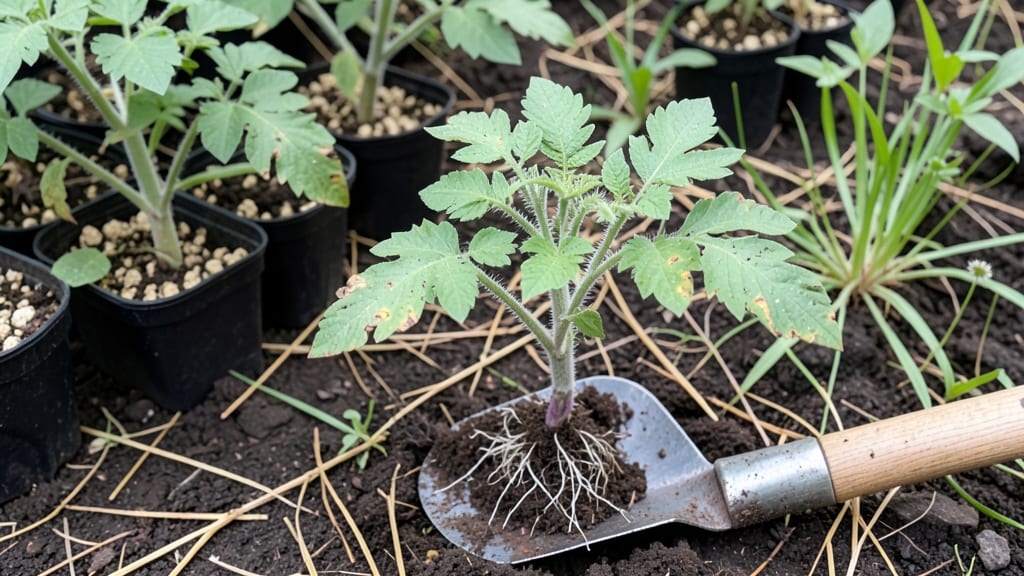
Starting tomato seeds outside in a cold frame can cut your growing season in half 🍅 — no indoor setup, no transplant shock, and seedlings that hit the ground running.
Skipping the indoor seed-starting process and planting tomato seeds directly outside can yield stronger, more resilient plants—but only if you use the right techniques. A cold frame transforms your outdoor space into a controlled environment, accelerating growth while protecting tender seedlings from unpredictable spring weather.
Most gardeners wait until after the last frost to start tomatoes, but that’s too late for cold frames. The secret is timing: soil must be at least 60°F, and you’ll need 4-6 weeks before the first frost to harvest.
In Zone 6a, that means starting seeds by mid-April for a June harvest.
Here’s how to do it right: from choosing the fastest-maturing varieties to setting up your cold frame for maximum warmth, I’ll walk you through every step—plus the three mistakes that kill seedlings before they even sprout.
How to build or use a cold frame for starting tomato seeds outside
A cold frame acts like a mini greenhouse, trapping solar heat to create ideal seedling conditions without indoor equipment. For tomato seeds, this means faster germination and stronger plants ready for transplant.
Whether you build one from scratch or repurpose materials, the key is balancing insulation, ventilation, and sun exposure to mimic spring's warming trends.
Cold frames work best in USDA Zones 3-8, extending your growing season by 4-6 weeks before the last frost. The trick is starting seeds 6-8 weeks before your average last frost date—early enough for seedlings to mature but late enough to avoid cold soil (45°F or below).
For example, in Zone 5, that’s mid-March, while Zone 8 gardeners can start in late February.
Step-by-Step Guide to Building or Using a Cold Frame
-
Step 1: Choose or Build Your Frame
Option A: Use a pre-made cold frame (e.g., plastic or wood kits).
Option B: Build one with wooden boxes (2x4s), clear plastic or glass lids, and insulated sides (add bubble wrap or foam board). -
Step 2: Select the Perfect Spot
Place in a south-facing location for maximum passive solar heating. Avoid shaded areas or spots with late-morning frost pockets. A flat, level surface ensures even heat distribution. -
Step 3: Prepare the Soil
Fill the frame with well-draining soil mixed with compost (ratio: 70% soil, 30% compost). Tomato seeds need fertile, slightly acidic soil (pH 6.0-6.8). Avoid fresh manure, which can burn seedlings. -
Step 4: Plant Seeds Correctly
Sow tomato seeds ¼ inch deep, spacing them 1 inch apart in rows. Use a seedling tray or small pots if your frame is shared with other crops. Label varieties to avoid confusion later. -
Step 5: Regulate Temperature
Ideal germination temps are 70-80°F. On cold nights (below 50°F), add a row cover or move the lid slightly ajar to retain heat. In hot afternoons, prop the lid open to prevent overheating (above 90°F). -
Step 6: Water Gently
Keep soil consistently moist but not soggy. Water early in the day to reduce fungal risks. Use a spray bottle for seedlings to avoid disturbing soil. Avoid wetting leaves to prevent disease. -
Step 7: Ventilate as Needed
Once seedlings emerge, ventilate daily for 10-15 minutes to harden them. Start with early morning ventilation, then gradually increase time. By 2 weeks old, leave the lid open during the day and close at night. -
Step 8: Transplant Outdoors
Move seedlings to the garden when night temps stay above 50°F and soil is at least 60°F. Harden off for 5-7 days by exposing them to outdoor conditions gradually. Transplant in the late afternoon to reduce stress.
Pro Tip: Add a thermometer to your cold frame to monitor temps. Aim for daytime highs of 75-85°F and nighttime lows above 55°F for optimal growth. 🌡️
For northern climates, consider adding a second layer of insulation, like a clear plastic bubble cover over the lid, to trap extra heat during late spring chills.
In southern regions, focus on shade cloth during peak afternoon sun to prevent heat stress. A 50% shade cloth works well for Zone 9+ gardeners.
Repurposing materials is a great way to save money. Old window frames, plastic storage bins, or even a wooden crate with plexiglass can work. Just ensure the lid is secure and weatherproof.
I once used a discarded refrigerator box lined with plastic—it worked perfectly for 4 weeks of seedling growth!
Monitor your seedlings for damping-off, a fungal disease caused by overwatering or poor airflow. If you see seedlings wilting or collapsing at the base, remove affected plants immediately and reduce watering. A light sprinkle of cinnamon around the base can help prevent future outbreaks.
Cold frames also double as overwintering shelters for hardy greens like kale or spinach. After harvesting your tomatoes, clean the frame thoroughly, add fresh soil, and plant cool-season crops to extend your harvest into fall and early winter
Best tomato varieties for direct outdoor seed starting in cold frames
Not all tomato varieties thrive when started directly outside in a cold frame. The best candidates are early-maturing, cold-tolerant types that can handle 50-60°F soil temperatures without stalling.
Heat-loving varieties like Beefsteak tomatoes often struggle in cool conditions, while cherry tomatoes and heirloom types with shorter growing seasons excel. My top picks balance disease resistance, fast germination, and adaptability to fluctuating temperatures.
For northern climates, focus on determinate varieties that mature quickly and produce compact plants ideal for cold frames. Southern gardeners can choose indeterminate types that tolerate brief cool snaps but still thrive in warmer conditions.
The key is matching your last frost date with a variety’s days to maturity—aim for 55-65 days for cold frames to ensure harvest before summer heat peaks.
🌱
My favorite cold-frame performers include Stupice, a 60-day heirloom that thrives in 45-60°F soil and produces 100+ tomatoes per plant. For southern gardeners, Sweet Million cherry tomatoes handle brief cool snaps while delivering prolonged harvests.
Always pre-soak seeds for 24 hours to speed germination in cold frames—this cuts waiting time by 3-5 days.
When selecting varieties, prioritize disease-resistant labels like V (verticillium), F (fusarium), or N (nematodes). These traits are critical in moist cold frame environments where fungal risks rise. For example, Mountain Merit resists blight and cracking, making it ideal for humid climates.
Pro tip: Plant cherry tomatoes in shallow cold frames (6-8 inches deep) to maximize root space. Their compact growth prevents overcrowding, while indeterminate types like Sungold benefit from vertical stakes inside the frame to save space. Always monitor soil moisture—cold frames retain humidity longer, increasing damping-off risks.
☀️