Vegetables
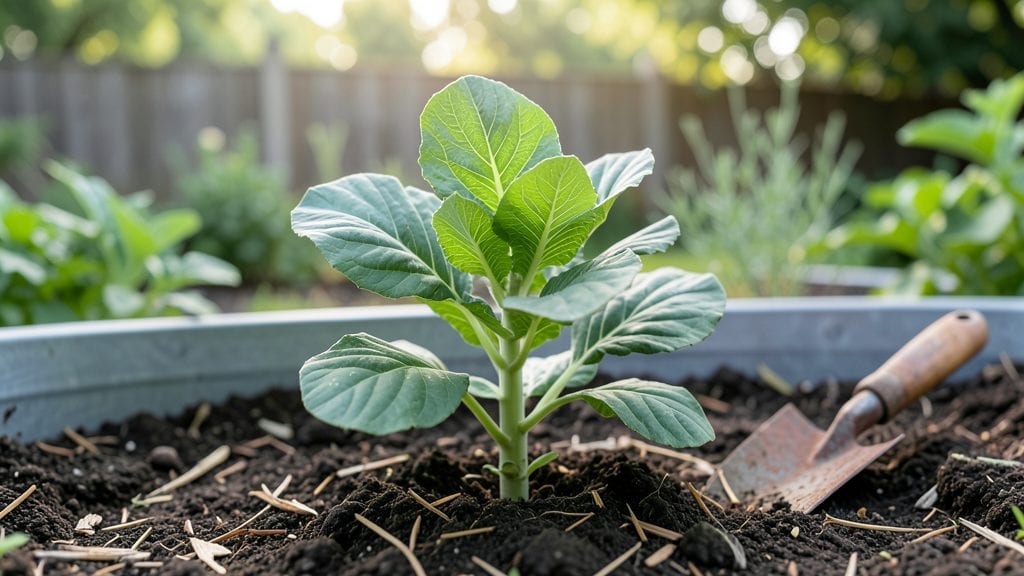
My cauliflower seedlings had yellowing leaves until I learned this simple trick—strengthening leaves before transplanting makes all the difference for bushy, productive plants. 🌱 The key is balancing light, water, and nutrients so those delicate leaves don’t turn into a sad, limp mess when you move them outside.
Most problems start with overwatering or weak light, which turns leaves yellow or makes them curl. I fix this by giving seedlings just enough water to keep soil moist—not soggy—and placing them under bright grow lights for 14 hours a day.
A pinch of Epsom salt in the water boosts magnesium, and that’s all it takes to keep leaves vibrant and ready for transplanting.
📚 In This Guide
- What you need
- Instructions
- Tips and common mistakes
- Wrapping up and next steps
What you need
- ● Cauliflower seedlings: 4–6 healthy, sturdy seedlings (ensure they’re 4–6 inches tall with at least 3–4 true leaves)
- ● Transplanting pots or trays: 4–6 individual biodegradable pots (3–4 inches in diameter) or a seedling tray with 4–6 cells
- ● High-quality potting mix: 2–3 gallons of sterile, well-draining mix (look for labels with "seedling" or "organic")
- ● Organic fertilizer: A balanced, slow-release fertilizer (e.g., 10-10-10 or fish emulsion) or compost tea
- ● Watering can or spray bottle: With a fine mist setting for gentle hydration
- ● Pruning shears or scissors: Small, sharp pair for trimming damaged leaves (sterilized with rubbing alcohol)
- ● Grow lights or sunny windowsill (for hardening off seedlings)
- ● Misting bottle (for humidity control)
- ● Garden twine or stakes (to support tall seedlings)
- ● pH test kit (to check soil acidity, ideal range: 6.0–7.0)
- ● Epsom salt (1 tbsp per gallon of water) for magnesium boost
How to train cauliflower seedlings for strong, bushy growth
Here's my foolproof method for raising sturdy seedlings that won't flop once they hit the garden.
🌱 Step 1: Start with Proper Light to Prevent Leggy Seedlings
Cauliflower seedlings need 14-16 hours of bright light daily from day one. A south-facing window won't cut it—you'll know your seedlings are struggling when they stretch tall and thin with pale leaves. I use a grow light positioned 2-3 inches above the seedlings and raise it as they grow to maintain that distance.
Watch for first true leaves (the second set after the initial cotyledons) to appear within 10-14 days. These leaves should be dark green and compact, not spaced far apart. If you see seedlings leaning toward the light, rotate the tray a quarter turn daily to encourage even growth.
🌿 Step 2: Harden Off Gradually to Avoid Shock
Two weeks before transplanting, begin hardening off by placing seedlings outside in partial shade for 1 hour the first day. Increase outdoor time by 1 hour daily until they can handle a full day outside. This toughens their stems and prevents wilting when you plant them.
I always check for yellowing leaves during this process—that's your signal they're getting too much sun too soon. If you see this, move them to a shadier spot immediately. By the time you transplant, your seedlings should be sturdy and upright, not flopping over like weak stems.
✂️ Step 3: Prune Lower Leaves to Encourage Bushiness
When seedlings reach 4-6 inches tall, pinch off the bottom set of leaves just above where they meet the stem. This might seem counterintuitive, but it redirects energy to the upper leaves and strengthens the plant's structure. Use clean scissors to make a precise cut—don't tear the leaves.
After pruning, watch for new side shoots to form within 7-10 days. These will create a bushier plant with more harvestable heads. Avoid over-pruning—just remove the lowest leaves, leaving the rest of the plant intact. This step is what transforms spindly seedlings into robust, productive plants.
💧 Step 4: Water Deeply but Infrequently Before Transplanting
In the week before transplanting, water seedlings deeply every 3-4 days instead of daily. This encourages roots to grow deeper and stronger. You'll know you're doing it right when the soil feels dry 1 inch below the surface between waterings.
I always water in the early morning so excess moisture evaporates by evening. Avoid getting leaves wet—this reduces the risk of fungal diseases like damping-off. Your goal is seedlings with thick, dark green stems and no signs of stress before they go into the garden.
☀️ Step 5: Transplant at the Right Time for Optimal Growth
Wait until nighttime temperatures stay above 50°F before transplanting. Cauliflower is a cool-season crop, but it won't tolerate frost. Plant seedlings 18-24 inches apart in rows 24-30 inches apart to give them room to grow. Dig holes just deep enough to cover the roots but no deeper—burying the stem too far can cause rot.
After transplanting, water deeply at the base and mulch with 1-2 inches of organic mulch to retain moisture. Your seedlings should look vigorous and upright within a week of planting. If you see any wilting, water immediately and provide shade until they recover.
Tips & tricks for perfect cauliflower seedling training
These game-changing tips will help you raise seedlings that stand tall and strong—no more floppy stems at transplant time!
The Light Factor: In Step 1, those 14-16 hours of light are non-negotiable. If you're using natural light, place your seedlings on a reflective surface like aluminum foil or a white tray—this bounces extra light upward, making the most of your window's output. I've seen seedlings grow twice as fast when using this simple trick!
Harden Off Smart: During Step 2's hardening process, watch the weather forecast. If rain is predicted, move your hardening schedule indoors temporarily—wet leaves during hardening can lead to fungal issues. Also, place seedlings on a raised surface like a stool or small table to improve airflow and prevent soil-borne diseases.
Pruning Precision: When you reach Step 3 and it's time to prune, use a clean pair of scissors that you've wiped down with rubbing alcohol. This prevents spreading any potential pathogens. I also like to prune on a dry day when the leaves have had time to dry overnight—this reduces the risk of fungal infections at the cut site.
Watering Wisdom: In Step 4, the deep watering every 3-4 days might seem counterintuitive, but it's what builds strong roots. To check moisture levels without disturbing the seedlings, use a wooden skewer or chopstick—insert it 1 inch deep into the soil. If it comes out dry, it's time to water. If it's damp, wait another day.
Pro Tips for Cauliflower Seedling Leaves
- These game-changing tips will help you raise seedlings that stand tall and strong—no more floppy stems at transplant time!
- The Light Factor: In Step 1, those 14-16 hours of light are non-negotiable.
- Harden Off Smart: During Step 2's hardening process, watch the weather forecast.
Frequently asked questions
Got questions about nurturing those delicate cauliflower seedling leaves before transplant? Here are answers to the most common ones—so you can grow confidently!
Why are my cauliflower seedling leaves turning yellow?
Yellowing leaves (called chlorosis) often signal overwatering, nutrient deficiency (like nitrogen), or poor drainage. Check soil moisture—it should be damp but not soggy—and ensure your seedlings get 6+ hours of sunlight daily. A balanced fertilizer can help too!
How long should I wait before transplanting seedlings?
Transplant when seedlings have 4–6 true leaves (not just cotyledons) and are about 3–4 inches tall. This usually takes 4–6 weeks from sowing, depending on your climate. Harden them off for 7–10 days first by gradually exposing them to outdoor conditions.
Can I use regular potting soil for cauliflower seedlings?
While potting soil works, amend it with compost (20–30%) for better drainage and nutrients. Cauliflower thrives in well-draining, slightly acidic soil (pH 6.0–6.8). Avoid garden soil—it may harbor diseases or pests that stress young seedlings.
What can I do if my seedlings get leggy or weak?
Leggy seedlings need more light! Move them closer to a grow light (12–16 hours/day) or to a sunnier spot. Thin crowded seedlings to 12–18 inches apart to reduce competition. A weak solution of fish emulsion can also boost growth.
How do I protect seedlings from pests like aphids or cabbage worms?
Start with row covers or neem oil spray for early prevention. Remove pests by hand or blast them off with water. Introduce beneficial insects (like ladybugs) or use Bt (Bacillus thuringiensis) for caterpillars—it’s organic and safe for seedlings!
Wrapping up and next steps
Caring for your cauliflower seedling leaves is all about patience, observation, and a few simple tweaks to set your plants up for success! 🌱 By mastering transplant prep—like hardening off seedlings, providing shade, and ensuring proper spacing—you’ll give your cauliflower the strong, bushy foundation it needs to thrive.
Remember, even the most experienced gardeners face a few hiccups, but with these tips, you’re already ahead of the game.
Now that you’re armed with the know-how, it’s time to roll up your sleeves and get growing! Start by prepping your seedlings today, and soon you’ll be harvesting those delicious, curdy heads. Happy gardening! 🌿