Lawn
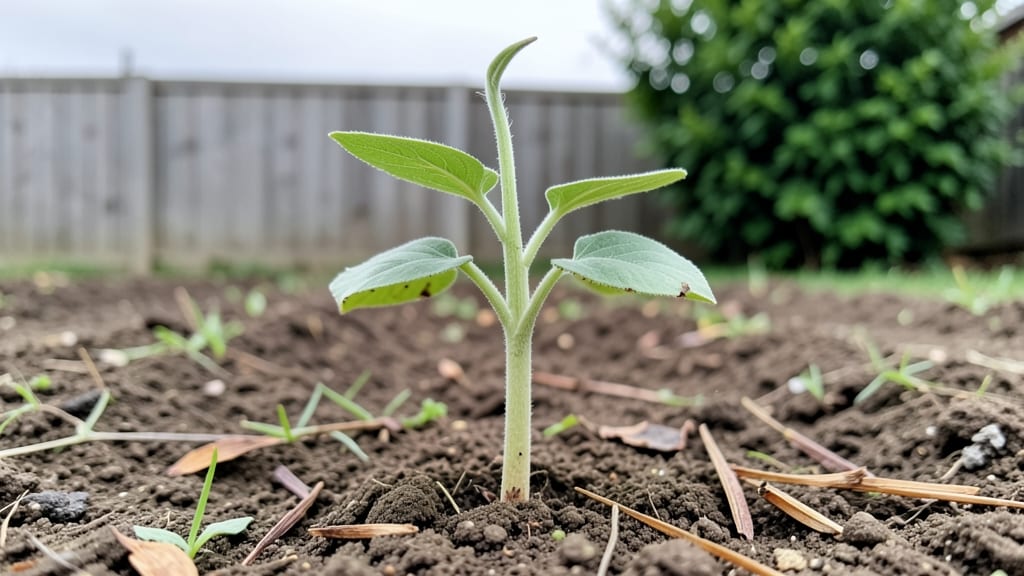
Sprouted sunflower seeds are the secret to fast, dramatic growth that outpaces store-bought starts. 🌱 I’ve watched them crack through soil and reach 6 inches in just 10 days—no waiting weeks for germination.
The trick isn’t magic, but matching their speed with the right soil warmth, moisture, and light from day one.
You’ll need a shallow tray, warm (not hot) starting mix, and a sunny windowsill or grow light. Sunflowers despise soggy soil—overwatering drowns those delicate first roots. Instead, keep the mix damp like a wrung-out sponge, and expect the sprout to emerge within 3-5 days if conditions are perfect.
By week two, you’ll see bold green leaves unfurling and a sturdy stem forming. The real test comes when you transplant: harden off seedlings for 3 days first, or they’ll bolt from the shock. With proper care, your sunflower will tower over the garden by summer’s end.
This method works for both giant varieties and compact types—just adjust spacing. The key is patience in the first week, then letting nature take over. Ready to grow one that’ll make your neighbors do a double-take?
📚 In This Guide
- What you need
- Instructions
- Tips and common mistakes
- Wrapping up and next steps
What you need
- ● Sunflower seeds: 1–2 cups (organic, raw, and unsalted for best results). Look for helicianthus annuus (common sunflower) seeds.
- ● Water: Filtered or room-temperature tap water (avoid chlorinated water if possible).
- ● Sprouting jar or container: A wide-mouth mason jar (16–32 oz) with a mesh lid or a sprouting lid. Alternative: A clean, breathable cloth + rubber band.
- ● Colander or strainer: For rinsing (if not using a jar with a lid).
- ● Paper towels or sprouting mesh: 2–3 sheets (unbleached, food-safe).
- ● Dark storage space: A cupboard, drawer, or box to keep seeds away from light during germination.
- ● Sprouting tray: For larger batches or drying sprouts.
- ● Food dehydrator: To dry sprouts evenly (if not air-drying).
- ● pH strips: To test water acidity (ideal: slightly alkaline, pH 7–8).
- ● Glass bowl: For transferring sprouts to light after germination.
Step-by-Step instructions for sprouting sunflower seeds fast
Here’s how to coax sunflower sprouts in just days—not weeks—using simple supplies.
🌱 Step 1: Soak Seeds Overnight for Speed
Place 4 sunflower seeds in a small bowl and cover them with warm water (about 80°F). Let them soak for 8-12 hours—this softens the outer shell and kickstarts germination. You’ll see them plump up noticeably, almost doubling in size.
Drain the water completely after soaking. Leaving them wet too long invites mold, which can ruin your sprouts before they even start. Pat them dry gently with a paper towel if they feel damp—this prevents rot while keeping them hydrated enough to sprout.
💧 Step 2: Set Up a Moist Growing Medium
Line a shallow tray with 2 paper towels or a dampened cotton cloth. Arrange the soaked seeds about 1 inch apart—crowding them slows growth and risks mold. Lightly mist the towels with water until they’re damp but not soaking.
Cover the tray with another layer of paper towels or cloth, then place it in a warm, dark spot like a cabinet or under the sink. Check daily and mist again if the towels dry out. Within 2-3 days, you’ll see tiny white sprouts pushing through—this is your reward for patience.
☀️ Step 3: Move to Light for Strong Growth
Once sprouts reach 1-2 inches tall and show their first true leaves (not just the seed leaves), transfer them to a sunny windowsill or under a grow light. Sunflowers need 6+ hours of bright light daily to avoid leggy, weak stems.
Keep the growing medium moist but never soggy—sprouts rot faster than they grow if overwatered. You’ll know moisture is right when the towels feel damp to the touch but don’t drip. Rotate the tray quarter-turn daily so sprouts grow straight toward the light.
🪴 Step 4: Transplant to Soil (Optional for Fast Results)
For the fastest growth, skip soil entirely and grow in water until 4-6 inches tall. Simply place the sprouts in a jar of 2 inches of water, changing it every 2 days. This method yields edible sprouts in 5-7 days—perfect for salads or garnishes.
If you want to grow full sunflowers, transplant the 1-2 inch sprouts into 4-inch pots filled with potting mix. Bury them up to their first leaves and water lightly. Keep soil moist but not waterlogged—sunflowers hate soggy roots.
⏰ Step 5: Harvest or Harden Off for Outdoors
For edible sprouts, harvest when leaves are 2-3 inches tall by snipping just above the base. Rinse them gently and use immediately—sunflower sprouts lose crispness within 24 hours of harvest.
If growing sunflowers, wait until nighttime temperatures stay above 50°F before moving pots outside. Harden off for 3-5 days by placing them in shade for 1 hour daily, then gradually increase sunlight. You’ll see stronger plants that handle transplant shock like pros.
Tips & tricks for perfect sprouted sunflower seeds
Here's how to turn those simple seeds into vibrant sprouts without the usual waiting game—these tricks make all the difference.
Temperature Matters: That 80°F warm water in Step 1 isn't just warm—it should feel pleasantly hot to your wrist, like a warm bath. If your tap water runs cold, heat it gently on the stove or in the microwave first. Cold water slows germination, while water that's too hot can damage the seeds. I've learned this the hard way after watching seeds take twice as long to sprout when using lukewarm water.
Seed Spacing Secret: When arranging your 4 seeds in Step 2, think "one inch apart" as your minimum—not maximum. I've seen people crowd seeds too closely, which leads to competition for moisture and nutrients, resulting in weak, leggy sprouts. If you're worried about space, use a larger tray or even a shallow pie plate instead of a small bowl.
Light Transition Tip: The moment you move your sprouts to light in Step 3, they'll start stretching dramatically toward the light source. To prevent them from becoming spindly, rotate your tray quarter-turn daily—this ensures even growth all around. I place a small sticky note on the tray to mark the starting position so I remember to rotate consistently.
Harvest Timing: Those 2-3 inches of height in Step 5 might seem like a wide range, but there's a key visual cue: harvest when the sprouts have fully unfurled their second set of leaves and the stems feel sturdy but still tender. Overgrown sprouts become bitter and lose their crisp texture, so don't wait too long—trust your eyes more than the ruler!
Pro Tips for Sprouted Sunflower Seed
- Here's how to turn those simple seeds into vibrant sprouts without the usual waiting game—these tricks make all the difference.
- Temperature Matters: That 80°F warm water in Step 1 isn't just warm—it should feel pleasantly hot to your wrist, like a warm bath.
- Seed Spacing Secret: When arranging your 4 seeds in Step 2, think "one inch apart" as your minimum—not maximum.
Frequently asked questions
Got questions about growing sprouted sunflower seeds? You’re not alone! Here are some of the most common queries—and their quick, easy answers—to help you sprout like a pro.
How long does it take for sunflower seeds to sprout?
Sunflower seeds typically sprout in 3–7 days when grown in the right conditions (warmth, moisture, and darkness). For fastest results, soak seeds overnight, then place them in a damp paper towel or sprouting jar. Check daily for tiny green tails—those mean success!
Can I grow sunflower seeds indoors without sunlight?
Sunflower seeds don’t need sunlight to sprout—just warmth and moisture. Use a sprouting jar or a shallow tray lined with a damp paper towel. Keep them in a warm, dark place (like a cabinet) until sprouts appear. Once they’re 1–2 inches tall, move them to a sunny windowsill or grow light.
What do I do if my sunflower seeds aren’t sprouting?
Don’t worry—try these fixes:
- Check moisture: Seeds need to stay damp but not soggy. Mist them lightly if the paper towel feels dry.
- Boost warmth: Place them near a heat source (like a sunny windowsill or heating pad). Ideal temp: 70–75°F.
- Test viability: If seeds stay dormant after 7 days, they may be old or damaged. Try fresh seeds!
Pro tip: Soak seeds in warm water for 8–12 hours before sprouting to kickstart germination.
Are sprouted sunflower seeds safe to eat raw?
Yes! Once sprouted, sunflower seeds are safe and delicious raw, packed with protein, healthy fats, and vitamins. Rinse them thoroughly before eating to remove any seed coats or bacteria. For extra flavor, toss them in salads, yogurt, or blend them into hummus. (Note: Avoid if you have a nut allergy—sunflower seeds are technically seeds, not nuts, but cross-contamination is possible.)
Can I replant sprouted sunflower seeds outdoors?
Not recommended! Sprouted sunflower seeds are best eaten fresh—they won’t thrive if transplanted outside. If you want to grow full sunflowers, plant fresh, unsprouted seeds directly in soil after the last frost. Sprouted seeds are too delicate for outdoor conditions.
Wrapping up and next steps
Sprouted sunflower seeds are a game-changer for quick, nutrient-packed greens—whether you’re a seasoned gardener or just starting out! 🌱 With the right setup (like a simple jar or tray) and a little patience, you can enjoy fresh, crunchy sprouts in just days.
The key? Stay consistent with moisture, light, and airflow, and don’t be afraid to experiment with flavors or recipes.
Now that you’re armed with tips and tricks, why not take the next step? Try growing a small batch this week and share your progress—or dive into recipes like salads, smoothies, or even homemade butter with your homegrown sprouts. Happy sprouting! 🌟