Blooming
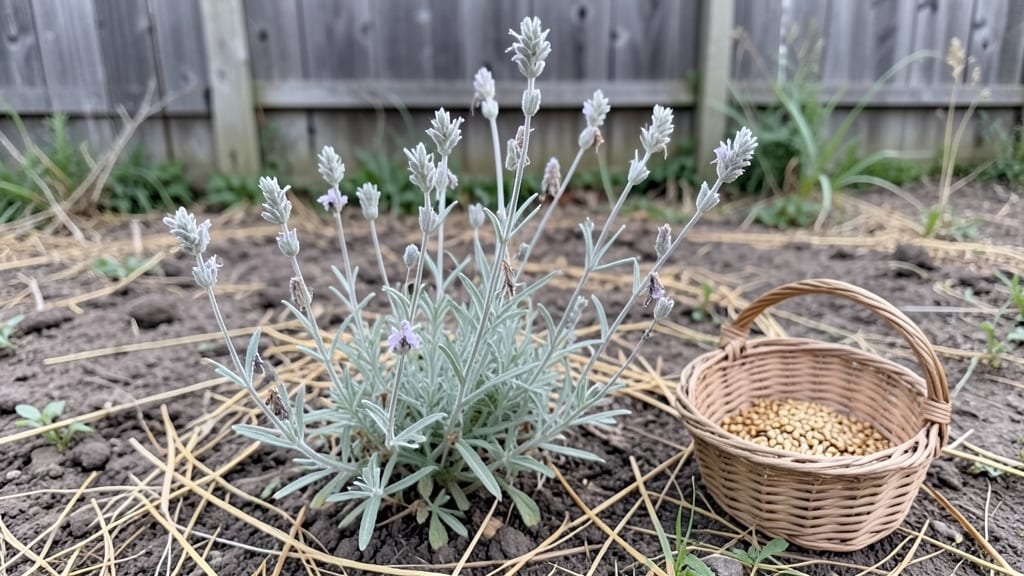
Cold-stressed chia seeds can bloom in just 72 hours—and it’s one of the most satisfying sights in a garden. 🌱 I’ve watched chia plants transform from lush green foliage to delicate purple flower spikes after a single chilly night, proving that a little stress can spark dramatic growth.
The key isn’t forcing blooms but creating the right conditions where chia seeds feel just challenged enough to respond.
Chia thrives in full sun (6+ hours daily) and well-draining soil that stays slightly moist but never soggy. A light frost or dip to 50°F at night triggers blooming, while consistent warmth keeps plants focused on leafy growth.
Most gardeners overwater, which drowns out flower signals—stick to 1 inch per week and watch those buds form. Spacing plants 12–18 inches apart gives them room to stretch toward the sky without competing.
When those first purple spikes appear, you’ll know you’ve nailed it. Blooms last 2–3 weeks, adding color to the garden while still producing seeds—though heavy flowering can slightly reduce yield.
The real magic? Those flowers turn into the same nutrient-packed seeds you love in smoothies, closing the loop from ornamental beauty to edible harvest. Ready to coax chia into bloom?
Works in zones 4–11, though timing varies—early spring or late summer cold snaps work best. Container growers can move pots outside for a night to trigger blooming, then bring them back indoors. The secret’s in the contrast: warm days, cool nights, and just enough water to keep chia guessing.
The Science Behind Chia Expansion
When you soak chia seeds and watch them bloom into gel-like spheres, you’re witnessing a fascinating biological process—one driven by hydration, chemistry, and the seeds’ unique structure. Understanding why this happens helps you control the outcome, whether you’re aiming for perfect puddings, smoothies, or thickened sauces.
Here’s a breakdown of the key factors at play:
Chia seeds are powerhouses of hydrophilic (water-loving) compounds, primarily soluble fiber (like mucilage) and pectin. When submerged in liquid, these components rapidly absorb water through osmosis—a process where water moves from a high-concentration area (your drink) to a low-concentration area (the seed’s interior).
- Mucilage Expansion: The outer layer of chia seeds contains 10–12% mucilage, a gel-forming polysaccharide. When hydrated, this layer swells up to 10–12 times its original size, creating that signature "bloom."
- Cell Wall Rupture: As water penetrates, the seed’s rigid cell walls expand and weaken. Without enough liquid, the pressure builds unevenly, leading to lumpy or uneven blooms.
- Surface Area Matters: Whole chia seeds absorb water slower than ground seeds because their hard outer shell resists immediate hydration. This is why cold soaking (4°C/39°F) works best—it slows absorption, allowing even expansion.
Pro Tip: 🌡️ Temperature matters! Warm water (above 60°F/15°C) speeds up absorption but can create clumpy or gummy textures. Cold water (like in the fridge) ensures a smooth, uniform bloom.
Beyond physical expansion, chia seeds undergo chemical changes that contribute to their gel-like texture. The key players?
| Compound | Role in Blooming | What Goes Wrong? |
|---|---|---|
| Pectin | Forms a cross-linked network with water, trapping it in a gel matrix. Cold temps preserve pectin integrity, while heat can degrade it. | Overheating or acidic liquids (like lemon juice) can break pectin bonds, resulting in a watery rather than gel-like texture. |
| Dietary Fiber | Acts as a sponge, holding up to 9–11x their weight in water. The more fiber, the thicker the bloom. | Old or poor-quality seeds (low fiber content) may absorb less water, leading to smaller blooms. |
| Protein & Starch | Provide structure to the gel. Proteins like albumin help stabilize the bloom’s shape. | Excessive sugar or salt can denature proteins, weakening the gel’s hold on water. |
Key Takeaway: The perfect bloom relies on a balance of these compounds. Disrupt one (like with heat or acid), and the texture suffers.
Chia seeds don’t bloom instantly—they need time to fully hydrate and activate their gel-forming properties. Here’s how timing affects the process:
- Under-Soaking (Too Soon):
- Seeds may absorb unevenly, leaving some hard or dry.
- Gel will be weak and runny because pectin hasn’t fully cross-linked.
- Over-Soaking (Too Long):
- Seeds can ferment (especially in warm conditions), leading to sour or yeasty flavors.
- Gel may separate into liquid and seed pulp.
- Ideal Window:
- Cold Soak (4°C/39°F): 24–72 hours for maximum bloom.
- Room Temp Soak: 1–2 hours (but riskier for clumping).
Pro Tip: 🕒 Stir occasionally! Gentle mixing every 6–8 hours prevents seeds from clumping at the bottom, ensuring even hydration.
By mastering these three factors—structure, chemistry, and time—you’ll unlock consistently perfect blooms every time. Next, we’ll dive into how to troubleshoot if your chia seeds refuse to cooperate!
Fixing cold-stressed chia blooms
If your chia seeds are struggling to bloom properly due to cold stress, don’t worry—there are simple, effective ways to revive them and prevent future issues. Below, we’ll break down the most common causes of cold-related blooming problems and provide practical, step-by-step solutions to get your chia seeds thriving again.
Plus, we’ll share prevention tips to keep your chia puddings fluffy and perfect every time!
1. Chia Seeds Didn’t Absorb Enough Liquid
Cold water slows down chia seeds’ ability to absorb moisture, leaving them under-hydrated and unable to expand properly.
How to Fix It: 🔹 Warm the Liquid First – Use warm (not hot) water or milk (around 100°F/38°C) to help chia seeds soak up liquid faster. Avoid boiling—just warm enough to feel cozy to the touch. 🔹 Add a Little Sweetener or Salt – A pinch of honey, maple syrup, or a tiny bit of salt can encourage faster hydration by slightly altering the liquid’s surface tension. 🔹 Let Them Soak Longer – If your chia seeds are still dry after 24 hours, add a splash more liquid and stir gently. They should expand fully within 48–72 hours.
Prevention Tip: ✨ Always pre-warm liquids in cold climates, especially if storing chia pudding overnight in the fridge.
2. Temperature Fluctuations Prevented Proper Gel Formation
Chia seeds need consistent warmth (60–80°F / 15–27°C) to form their signature gel-like texture. Sudden cold snaps can disrupt this process.
How to Fix It: 🔹 Move to a Warmer Spot – Place your chia pudding in a sunny windowsill, near a heat source (like a warm oven with the light on), or inside a slightly warm cabinet. 🔹 Use a Cozy Cover – If storing in the fridge, transfer it to room temperature for 1–2 hours before serving to help the gel soften. 🔹 Stir Gently – If the pudding looks clumpy, lightly whisk or stir to redistribute the gel.
Prevention Tip: 🌡️ Store chia pudding in a thermos or insulated container if you’re in a very cold environment to maintain a stable temperature.
3. Seeds Stayed Too Cold for Too Long
If chia pudding sits in the fridge for more than 48 hours without warming, the gel can break down, leaving seeds dry or rubbery.
How to Fix It: 🔹 Revive with Extra Liquid – Mix in 1–2 tablespoons of warm milk, almond milk, or coconut water and let it sit for 30 minutes. 🔹 Blend for a Smoothie – If the texture is ruined, blend the chia pudding with fruit (like bananas or berries) to create a chia smoothie bowl instead! 🔹 Rehydrate & Reuse – If the seeds are still intact but dry, rinse them and soak in fresh warm liquid to try blooming again.
Prevention Tip: 📅 Consume chia pudding within 3–4 days for the best texture. If storing longer, keep it in an airtight container at room temperature (if safe) or freeze in portions for up to 3 months.
4. Old or Low-Quality Seeds Struggle in Cold
Old chia seeds lose their ability to absorb water efficiently, making them extra sensitive to cold stress.
How to Fix It: 🔹 Test a Small Batch First – Before committing to a full recipe, soak 1 tablespoon of seeds in warm liquid to check their absorption rate. 🔹 Upgrade Your Seeds – If they consistently fail to bloom, switch to high-quality, organic chia seeds (look for brands with a best-by date at least 6+ months out). 🔹 Toast Them Lightly – For extra absorption, dry-toast chia seeds in a pan for 2–3 minutes before soaking (this removes moisture and activates enzymes).
Prevention Tip: 💡 Store chia seeds in an airtight container in a cool, dark place (like your pantry) to extend their shelf life.
Need a fast reference? Here’s a cheat sheet for cold-stressed chia seeds:
| Problem | Quick Fix | Prevention Tip |
|---|---|---|
| Seeds didn’t expand | Add warm liquid + stir | Always use warm (not cold) liquid |
| Pudding is too firm | Let sit at room temp for 1–2 hours | Avoid refrigerating longer than 48 hrs |
| Seeds look dry | Blend into a smoothie or rehydrate | Buy fresh seeds (check expiration) |
| Gel broke in fridge | Stir in warm milk + let thicken | Store in insulated containers |
Final Thought: Cold weather doesn’t have to ruin your chia seed game! With these simple adjustments, you’ll be enjoying perfectly bloomed chia puddings—even in the chilliest conditions. 🥣❄️→🔥
Frequently asked questions
Why do chia seeds need to "bloom" before using them?
Blooming chia seeds activates their natural mucilage and pectin, which creates that signature gel-like texture perfect for puddings, smoothies, or thickening sauces. When soaked properly, the seeds absorb up to 10–12 times their weight in liquid, forming a smooth, uniform consistency. Skipping this step often results in clumpy or dry chia mixtures.
How long should I soak chia seeds for the best bloom?
For maximum bloom, soak chia seeds in cold liquid (like almond milk or water) for 24–72 hours in the fridge. Room temperature soaks work in 1–2 hours, but risk clumping. Stir gently every 6–8 hours to prevent seeds from sticking together at the bottom. The longer they soak, the thicker the gel becomes!
Can I use warm water instead of cold to speed up blooming?
Warm water (100°F/38°C max) speeds up absorption but can create clumpy or gummy textures. Cold water ensures a smooth, even bloom by slowing hydration. If you must use warm liquid, stir frequently and avoid boiling—heat degrades the pectin that holds the gel together. For best results, start with cold liquid and let it warm gradually.
What happens if my chia seeds don’t bloom at all?
Uneven blooming usually means under-soaking, old seeds, or poor liquid quality. Try adding 1–2 tablespoons of warm liquid and stirring, or toast seeds lightly in a dry pan for 2–3 minutes to activate enzymes. If seeds are past their prime (check expiration dates!), replace them—fresh seeds bloom 10–12 times their size, while old ones may only expand 2–3 times.
Does blooming chia seeds affect their nutritional value?
Not at all! Blooming chia seeds retains all their nutrients, including omega-3s, fiber, protein, and antioxidants. The gel formed is just water trapped by the seeds’ natural compounds—no nutrients are lost. In fact, blooming can make chia easier to digest by breaking down some of their tougher cell walls, releasing more nutrients for your body.