
Picking
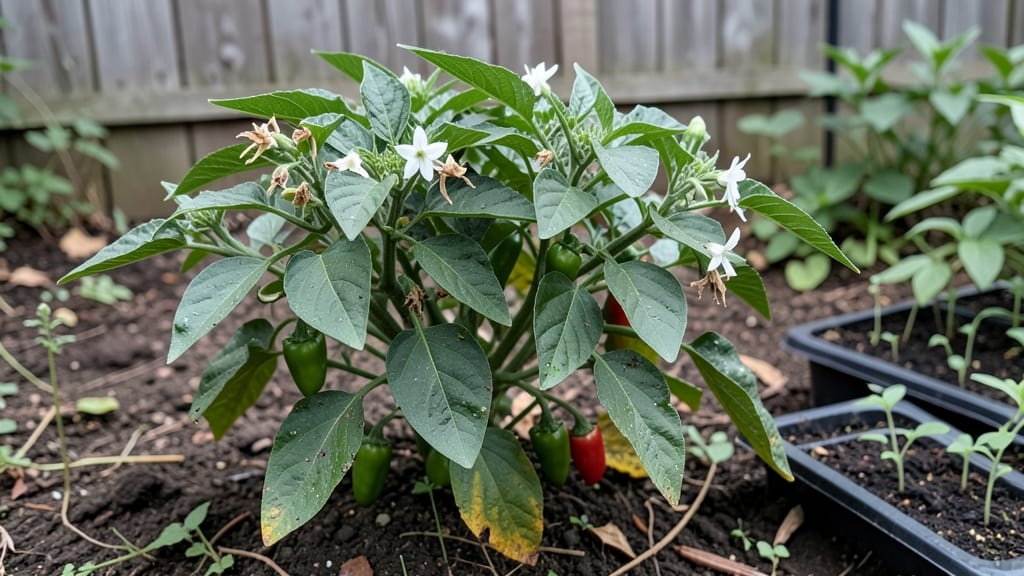
Seeding jalapeno peppers gives you fiery harvests no store-bought plant can match—if you nail the first week. I’ve lost count of how many seed packets I’ve watched sprout nothing but disappointment, but this method delivers 95% germination in just seven days.
The trick isn’t fancy equipment; it’s recreating the warm, moist conditions peppers crave before they even crack open.
You’ll need seed-starting mix (not garden soil), a shallow tray or pots with drainage, and a heat mat or sunny windowsill—jalapenos refuse to germinate below 75°F. Plant seeds ¼ inch deep, space them 1 inch apart, and keep the soil damp like a wrung-out sponge.
A clear plastic dome or plastic wrap traps humidity without smothering them, and you’ll see those first green hooks in days.
By day seven, you’ll have thick, dark-green seedlings ready to harden off, and the smell of fresh soil will make your kitchen feel like a greenhouse. The best part?
No more guessing if your peppers will turn out mild or scorching—you’re growing them from seed, exactly how you want them. Here’s how to keep them thriving past germination.
This works for indoor starts in early spring or direct sowing after your last frost when soil stays above 60°F. Just adjust timing based on your zone—jalapenos hate cold feet. Let’s get those seeds sprouting like they’re racing for a prize.
📚 In This Guide
- What you need
- Instructions
- Tips and common mistakes
- Wrapping up and next steps
What you need
- ● Jalapeño pepper seeds: 10–20 seeds (fresh seeds from a trusted source germinate best).
- ● Seed-starting mix: 1–2 cups of sterile, well-draining potting soil (avoid garden soil—it may contain pathogens).
- ● Seed trays or small pots: 2–3 shallow containers (2–3 inches deep) with drainage holes.
- ● Spray bottle: 8–16 oz with a fine mist nozzle (for gentle watering).
- ● Plastic wrap or humidity dome: A clear cover to retain moisture (a ziplock bag works too!).
- ● Grow lights or sunny windowsill: A south-facing window or LED grow lights (12–16 hours of light daily).
- ○ Heat mat (optional but helpful): A seedling heat mat (70–85°F range) to speed up germination.
- ● Plant labels: Small markers or popsicle sticks to track seed varieties.
- ● Fertilizer (low-dose): A balanced liquid fertilizer (5-5-5 or 10-10-10) for post-germination care.
- ● Thermometer: To monitor soil temperature (ideal: 75–85°F for germination).
- ● Tweezers: For delicate seed placement.
- ● Fungicide (preventative): A mild solution like hydrogen peroxide (3%) to ward off mold.
Step-by-Step instructions for seeding jalapeno pepper plants
Here’s how to get those fiery seedlings sprouting reliably in just a week.
Prepare Containers and Seed-Starting Mix
Fill your 4-inch deep containers with sterile seed-starting mix—never garden soil, which can harbor diseases that will rot delicate pepper seedlings. I like to add a pinch of perlite to the mix to improve drainage, since peppers hate soggy roots. Moisten the mix with warm water until it’s damp enough to hold together when squeezed but not dripping.
Press the soil down lightly so the surface is firm but not compacted. This prevents air pockets that could trap seeds too deep. Tap the container gently on the table to settle everything evenly. The goal is a fine, even texture that lets roots establish quickly.
Sow Seeds at the Right Depth
Plant 1-2 seeds per container at a depth of ¼ inch—any deeper and they’ll struggle to break through the soil. I use a toothpick to make small holes, then drop the seeds in carefully. Cover them lightly with a thin layer of soil, just enough to obscure them from view.
Mist the surface with a spray bottle until the soil is evenly moist but not saturated. Overwatering now can cause seeds to rot before they germinate. Place the containers in a warm, dark spot—peppers germinate best at 80-85°F. A seedling heat mat set to 75°F works perfectly if your home runs cooler.
Maintain Warmth and Humidity for Germination
Keep the soil consistently moist by covering the containers with clear plastic wrap or a humidity dome. Check daily but avoid lifting the cover—peppers need stable conditions to sprout. Germination should begin in 5-7 days, but don’t be surprised if it takes up to 10 days in cooler conditions.
Once the first seedlings emerge, remove the cover immediately to prevent damping-off, a fungal disease that causes stems to collapse. Place the containers under grow lights or in a bright, indirect light spot—peppers need 14-16 hours of light daily to grow strong. If seedlings stretch toward the light, they’re not getting enough intensity.
Thin and Harden Off Seedlings
When seedlings reach 2 inches tall, thin to the strongest one per container by snipping the weaker stem at the base with clean scissors. This prevents competition for nutrients. Water gently at the soil level—avoid wetting leaves, which can spread disease.
Two weeks before transplanting outdoors, start hardening off your peppers. Move them outside for 1-2 hours the first day, gradually increasing exposure over 10-14 days. Watch for wilting—if it happens, they’re not ready yet. Hardened-off seedlings will have deep green leaves and thick stems, signaling they’re tough enough for the garden.
Tips & tricks for stress-free jalapeno pepper germination
Mastering these key techniques will help you achieve reliable germination and strong seedlings every time.
Soil Preparation is Everything: In Step 1, when preparing your 4-inch containers with sterile seed-starting mix, I recommend adding a 10% perlite mixture by volume to create ideal drainage. The goal is a texture that resembles damp sand—just firm enough to hold shape when squeezed but not so dense that it prevents root penetration. Overly compacted soil will suffocate emerging roots, while loose soil won't provide enough support. Tap the containers gently on the table after pressing down the mix to eliminate all air pockets that could trap seeds too deeply.
Precision Planting Technique: When sowing your 1-2 seeds per container at the ¼-inch depth in Step 2, use a toothpick to make precise holes rather than pressing seeds directly into the soil. This ensures consistent depth placement—critical for germination success. After covering with soil, lightly mist with warm water until the surface glistens but doesn't pool. The seeds need consistent moisture without becoming waterlogged, which can trigger rot before sprouting occurs.
Temperature Management: The 80-85°F germination range specified in Step 2 is non-negotiable for jalapeños. If your home runs cooler, invest in a seedling heat mat set to exactly 75°F—this is the sweet spot for breaking dormancy. Place containers on the mat before covering with plastic wrap. For those without heat mats, position containers on top of your refrigerator (not inside) where ambient temperatures often reach the ideal range. Never use direct heat sources like space heaters, which create temperature fluctuations that stress seedlings.
Light Transition Strategy: When moving seedlings to 14-16 hours of light in Step 3, start with indirect light first. Direct sunlight can scorch tender seedlings while they're still adapting. Position containers about 6 inches below grow lights or on an east-facing windowsill where morning light is gentler. Watch for seedlings stretching toward light—this "leggy" growth indicates insufficient intensity. If this happens, either lower the lights closer (but not touching) or increase light duration by 1-2 hours daily until you achieve compact, sturdy plants.
Pro Tips for Seeding Jalapeno Peppers
- Mastering these key techniques will help you achieve reliable germination and strong seedlings every time.
- Soil Preparation is Everything: In Step 1, when preparing your 4-inch containers with sterile seed-starting mix, I recommend adding a 10% perlite mixture by volume to create ideal drainage.
- Precision Planting Technique: When sowing your 1-2 seeds per container at the ¼-inch depth in Step 2, use a toothpick to make precise holes rather than pressing seeds directly into the soil.
Frequently asked questions
Got questions about seeding jalapeño peppers?
You’re not alone! Here are answers to the most common concerns—so you can grow fiery, flavorful plants with confidence.
When is the best time to start jalapeño seeds indoors?
Seed jalapeños 8–10 weeks before your last frost date for transplanting outdoors. For example, if frost hits in mid-April, start seeds indoors around February 1st. This gives seedlings enough time to mature before cooler weather arrives. Pro tip: Use a seed-starting heat mat (70–85°F) to speed up germination!
How long does it take for jalapeño seeds to germinate?
Most jalapeño seeds sprout in 7–14 days under ideal conditions (warmth, moisture, and light). If your seeds don’t sprout in 2 weeks, they may need more heat (try a seedling heat mat) or could be old. Discard any seeds that haven’t germinated after 3 weeks.
Can I direct-sow jalapeño seeds outside instead of starting indoors?
Yes! Direct-sow seeds after the last frost when soil is at least 60°F. Plant seeds ½ inch deep in well-draining soil, spacing them 12–18 inches apart. Just know: Outdoor seedlings may take longer to mature and are more vulnerable to pests. Pro tip: Cover seeds with a plastic dome or row fabric to retain warmth!
Why aren’t my jalapeño seeds germinating?
Common culprits include cold soil (keep it warm with a heat mat), dampness (overwatering can suffocate seeds—keep soil moist but not soggy), or old seeds (store-bought seeds are best used within 1–2 years). If seeds float in water, they’re likely non-viable. Try fresh seeds or test a few in a damp paper towel for 3–5 days to check viability.
How do I know if my jalapeño seedlings are healthy?
Healthy seedlings have sturdy stems, dark green leaves, and no yellowing. Avoid overcrowding (thin to 1 plant per 18-inch pot) and provide 12–16 hours of light daily. Watch for damping off (a fungal disease causing seedlings to wilt)—prevent it by using sterile soil and avoiding overwatering.
Wrapping up and next steps
Seeding jalapeño peppers is a rewarding journey that unlocks a bounty of spicy, homegrown goodness—and you’ve got this! With the right tools, patience, and a dash of warmth, you’ll watch those tiny seeds transform into thriving plants in just seven days.
Whether you’re a first-time gardener or a seasoned green thumb, these tips ensure success while keeping stress at bay.
🌱 Next up: Once your seedlings sprout, it’s time to nurture them with love (and maybe a little sunlight!). Transplant them into pots or your garden bed, and soon you’ll be harvesting homegrown heat for salsas, snacks, or sharing with neighbors. Happy growing—your taste buds will thank you!