Planting
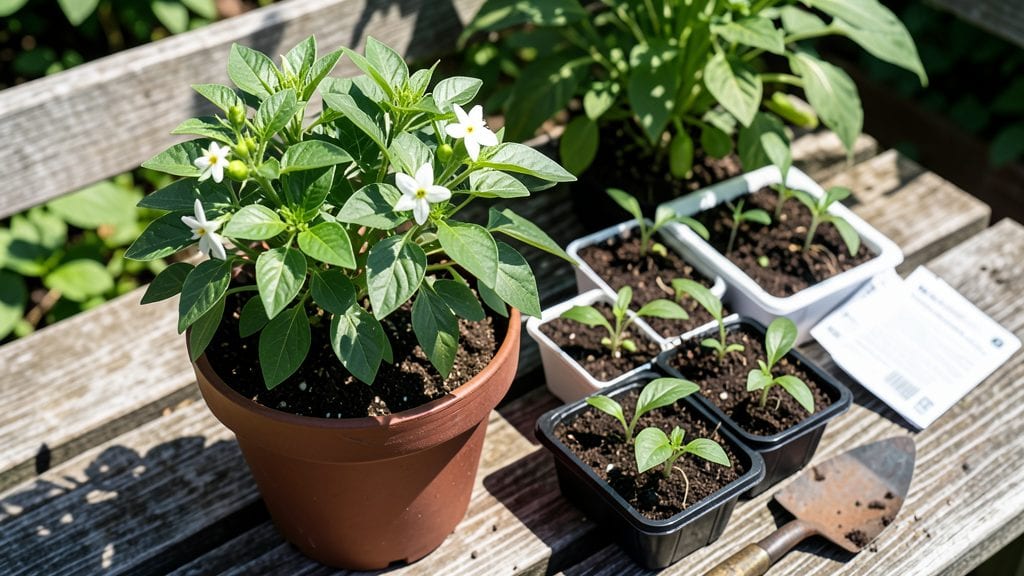
Sowing pepper seeds indoors in late February means bold, early harvests by summer—something I learned after my first batch of seeds sat dormant for weeks. The key isn’t just patience; it’s replicating the warmth and moisture peppers crave before they’ll even think about sprouting.
I’ve grown everything from sweet bell peppers to fiery habaneros this way, and the secret lies in timing, soil, and a little heat trick that cuts germination time in half.
You’ll need seed-starting trays, a heat mat (or warm spot), well-draining potting mix, and patience—though the results make it worth it. Most seeds sprout within 7 days when kept at 80-85°F, and once they do, they grow fast.
Avoid the common mistake of planting too deep (just ¼ inch below soil) or using cold soil, which will leave you waiting months for those first green shoots. The right setup turns a simple tray into a mini greenhouse where peppers can’t help but thrive.
By week three, you’ll have sturdy seedlings with their first true leaves, ready to handle cooler temps if you harden them off right. The payoff? Homegrown peppers that outshine store-bought in flavor, size, and freshness—plus, you’ll save money and avoid the disappointment of weak nursery starts.
Just imagine plucking a ripe, sun-warmed pepper straight from your own plants by late July.
Works for short-season climates (start indoors early) or longer growing zones (direct-sow after last frost). The same principles apply whether you’re growing sweet bananas or spicy jalapeños—just adjust the heat and light to match your pepper’s needs. Ready to get those seeds sprouting?
📚 In This Guide
- What you need
- Instructions
- Tips and common mistakes
- Wrapping up and next steps
What you need
- ● Pepper seeds: 5–10 seeds (choose varieties like Jalapeño, Bell, or Cayenne for fast germination).
- ● Seed-starting trays or small pots: 2–4" deep, with drainage holes (biodegradable options work too!).
- ● High-quality seed-starting mix: Lightweight, sterile, and peat-based or coco coir blend (avoid garden soil!).
- ○ Heat mat (optional but recommended): Maintains soil temp at 75–85°F (24–29°C) for faster germination.
- ● Spray bottle: For gentle watering (avoid soaking the soil!).
- ● Plastic wrap or humidity dome: Keeps moisture locked in until sprouts appear.
- ● Grow lights or sunny windowsill: 12–16 hours of light daily (peppers love warmth!).
- ● Seedling heat mat: Speeds up germination by 2–3 days!
- ● Fertilizer (low-dose): Fish emulsion or diluted compost tea (once sprouts emerge).
- ● pH test kit: Aim for 6.0–6.8—peppers thrive in slightly acidic soil.
- ● Label markers: Track seed varieties and planting dates.
Step-by-Step instructions for sowing pepper seeds
Pepper seeds need warmth to germinate—here’s how to trigger rapid growth in just seven days.
Prepare the Seed Starting Mix
Fill your seed trays with the sterile seed-starting mix until they’re about 1 inch below the rim. Press the mix down lightly with your fingers to eliminate air pockets, but don’t compact it too tightly—pepper seeds need loose soil to push through easily. Moisten the mix thoroughly with warm water until it feels damp like a wrung-out sponge. Avoid cold water, which can shock the seeds and slow germination.
I like to tap the tray gently on the countertop to settle the soil evenly. This ensures consistent moisture and prevents dry spots where seeds might fail to sprout. If the mix feels unevenly damp, add a little more water and mix it in with a small fork or your fingers. The goal is uniform moisture—no soggy patches, no dry pockets.
Sow Seeds at the Right Depth
Drop 2-3 seeds per cell into the seed tray, placing them about ¼ inch deep. Pepper seeds are tiny, so I use a toothpick to position them precisely—this prevents overcrowding later. Cover them lightly with a thin layer of the same mix, just enough to shield them from light but not bury them too deep. Press gently to ensure good soil contact.
Label each cell with the pepper variety and date—after a week, identical green sprouts will blur together if you don’t. I use a fine-tip marker and a popsicle stick inserted into the soil for easy identification. Once sown, mist the surface with a spray bottle to settle the soil and ensure even moisture. Avoid heavy watering here; you want the seeds to stay in place without washing away.
Provide Warmth and Humidity for Germination
Place the tray in a warm, dark location with a consistent temperature of 80-85°F. A seedling heat mat set to 75°F works perfectly—this mimics the tropical conditions peppers need to germinate quickly. Cover the tray with a clear plastic dome or plastic wrap to trap humidity and speed up the process. Check daily for condensation; if the dome fogs up, lift it briefly to let excess moisture escape.
Pepper seeds typically sprout in 7-14 days, but with warmth and humidity, you’ll see first green shoots in as little as 7 days. Resist the urge to peek too often—pepper seeds need darkness to germinate. Once you spot the first sprouts, remove the dome immediately to prevent damping-off, a fungal disease that attacks tender seedlings.
Introduce Light and Monitor Growth
As soon as the first true leaves (not the initial seed leaves) appear, move the tray to a bright, indirect light source. Pepper seedlings need 12-14 hours of light daily, so a south-facing window or a grow light positioned 2-3 inches above the plants is ideal. If the seedlings stretch toward the light (a sign of legginess), lower the light or move the tray closer. Strong seedlings will have dark green leaves and sturdy stems—never pale or elongated.
Water gently from the bottom by placing the tray in a shallow dish of water for 10-15 minutes. This encourages roots to grow downward and prevents soil-borne diseases. Avoid wetting the leaves, which can lead to fungal issues. After 4-6 weeks, when seedlings have 3-4 true leaves, they’re ready for transplanting into larger pots or the garden.
Tips & tricks for perfect pepper seed germination
Pepper seeds are finicky little things—get these details right, and you'll see those first green shoots in just seven days. I've learned these tricks after watching batches fail due to one small oversight.
The Soil Texture Secret: When preparing your seed-starting mix in Step 1, aim for soil that's light enough to crumble easily between your fingers. Pepper seeds need that loose structure to push through without resistance. If you compact it too much, you'll create a barrier that stunts germination. I find tapping the tray gently on the countertop after filling helps eliminate air pockets while maintaining that perfect loose texture.
Precision Planting in Step 2: Those 2-3 seeds per cell might seem like overkill, but it accounts for germination rates that can vary by variety. If you only plant one seed and it fails to sprout, you've wasted that cell. The quarter-inch depth is critical too—bury them too shallow, and they'll dry out; too deep, and they'll struggle to reach the surface. A toothpick makes positioning them exactly right a breeze.
Heat Management at 80-85°F: The temperature range in Step 3 is non-negotiable for tropical pepper seeds. If your home stays around 70°F, you'll need that seedling heat mat set to 75°F to maintain consistent warmth. I've seen germination times stretch to three weeks when seeds were kept in cooler conditions. Place your tray on top of the heat mat rather than underneath—this prevents overheating at the bottom while keeping the seeds warm.
Light Transition Strategy: When moving seedlings to light in Step 4, introduce them gradually over 2-3 days. Sudden bright light can shock tender seedlings, causing them to bleach out. Start with indirect light for the first day, then gradually increase exposure. The 12-14 hours of light should be spread throughout the day, not all at once—pepper seedlings need that consistent light cycle to develop properly.
Pro Tips for Sowing Pepper Seeds
- Pepper seeds are finicky little things—get these details right, and you'll see those first green shoots in just seven days.
- The Soil Texture Secret: When preparing your seed-starting mix in Step 1, aim for soil that's light enough to crumble easily between your fingers.
- Precision Planting in Step 2: Those 2-3 seeds per cell might seem like overkill, but it accounts for germination rates that can vary by variety.
Frequently asked questions
Got questions about sowing pepper seeds?
You’re not alone! Here are answers to the most common queries—from timing to troubleshooting—to help you grow thriving peppers with confidence.
When is the best time to sow pepper seeds?
Peppers love warmth—start seeds indoors 8–10 weeks before your last frost date (typically March–April in most climates). If direct-sowing, wait until soil temps hit 60–65°F (15–18°C)—use a soil thermometer to check! Outdoor sowing is usually late spring or early summer.
How long does it take for pepper seeds to germinate?
With consistent warmth (70–85°F / 21–29°C), germination happens in 7–14 days. Use a heat mat or warm spot (like on top of the fridge) to speed it up. Patience is key—some seeds may take up to 3 weeks!
What if my pepper seeds won’t sprout?
Try these fixes:
- Check moisture: Keep soil damp (not soggy) and use a spray bottle to avoid disturbing seeds.
- Test viability: Soak seeds in warm water for 24 hours—if they sink, they’re likely viable.
- Adjust warmth: Move to a warmer location or use a seedling heat mat.
- Fresh seeds: Old seeds (over 1 year) may have lower germination rates.
Can I sow pepper seeds directly outside?
Direct sowing is possible in warm climates, but peppers are frost-sensitive. Wait until nighttime temps stay above 50°F (10°C) and soil is consistently warm. Start with a few seeds in biodegradable pots for easy transplanting later.
What’s the best soil mix for pepper seeds?
Use a light, well-draining mix like:
- 50% peat moss or coco coir
- 30% perlite or vermiculite
- 20% compost or worm castings
What can I do if my seedlings look leggy?
Leggy seedlings mean they’re stretching for light. Fix it by:
- Moving them closer to a bright light source (12–16 hours/day).
- Thinning crowded seedlings to 12–18 inches apart.
- Using a grow light if natural light is weak.
Wrapping up and next steps
Sowing pepper seeds is a rewarding journey that combines patience with the thrill of watching tiny sprouts transform into vibrant plants! 🌱 By following the right steps—like maintaining warmth, consistent moisture, and proper lighting—you’ll unlock fast, healthy growth in just 7 days.
Remember, every gardener starts with a single seed, and yours could soon be flourishing on your windowsill or in your garden.
Now that you’re armed with knowledge, it’s time to take action. Grab your supplies, set up your seed-starting station, and plant those seeds today—your future pepper harvest is waiting! Share your progress with fellow gardeners or tag us in your growth updates. Happy planting! 🌶️✨