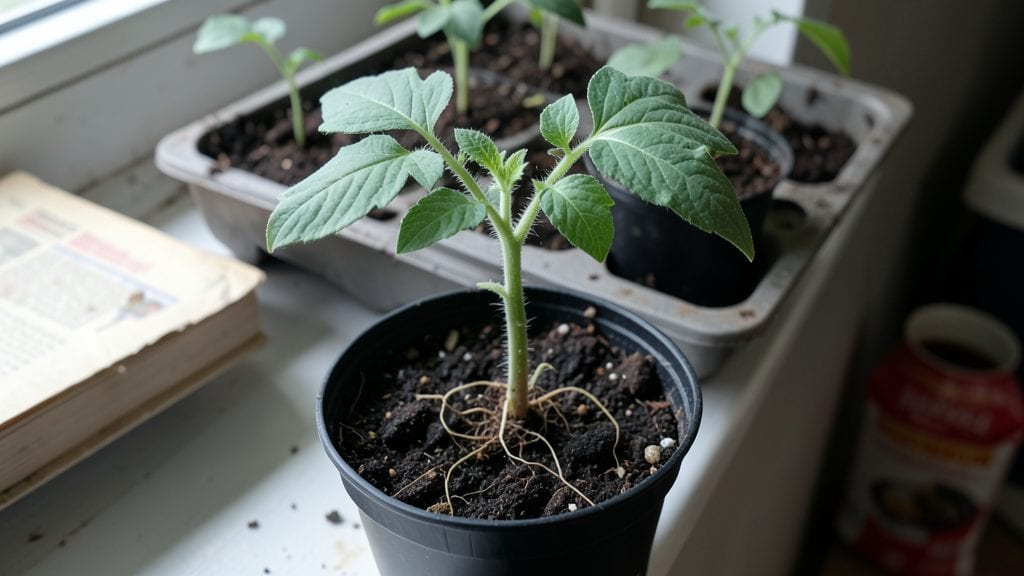
Mastering your seed planting schedule🌱 is the difference between a garden bursting with life and one that struggles to take root.
Timing is everything in gardening—plant your seeds too early or too late, and you risk stunted growth, pests, or wasted effort. This month-by-month guide ensures your garden thrives year-round, whether you're a beginner or a seasoned green thumb.
In Zone 6, where frost lingers until mid-April and returns by mid-October, knowing when to sow each plant can feel overwhelming. But with the right planting schedule, you’ll avoid common mistakes like overcrowding or missing the perfect window for warm-season crops.
Below, I break down the best times to plant everything from leafy greens to tomatoes, plus tips for adjusting your schedule based on your local climate. Ready to grow a garden that works as hard as you do?
🌱
When to Plant Seed Planting Schedule Planting Schedule
Jan
❄️
Feb
🌱
Mar
🌱
Apr
🌱
May
🌱
Jun
🌱
Jul
☀️
Aug
☀️
Sep
🍂
Oct
🍂
Nov
🍂
Dec
❄️
The ultimate month-by-month seed planting schedule by climate Zone
Timing your seeds correctly is the secret to a thriving garden. Whether you're in USDA Zone 3 with harsh winters or Zone 10 with mild year-round growing, understanding your local frost dates and seasonal shifts ensures your plants grow strong and productive.
Cool-season crops like lettuce and spinach thrive in early spring or fall, while tomatoes and peppers need warm soil to germinate. Let’s break down the best planting windows for your region.
Your last frost date is the golden rule for cool-season crops. In Zone 6, for example, the average last frost is April 15, meaning you can safely plant peas and kale 4-6 weeks before that date.
Warm-season crops, like beans and corn, should wait until after the last frost when soil temperatures reach 60°F or higher. Adjust these timelines by 2-4 weeks for zones colder or warmer than yours.
Here’s a quick reference for cool-season and warm-season crops across USDA zones, including frost-sensitive plants and hardy varieties that tolerate light frosts.
Pro Tip: Use row covers or cold frames to extend your growing season. In Zone 4, for instance, you can start spinach in early March under protection, while Zone 8 gardeners might plant radishes year-round with minimal frost risk.
| Month |
Zone 3 |
Zone 5 |
Zone 7 |
Zone 9 |
Zone 10 |
| January |
Onions, Peas (cold frame) |
Spinach, Lettuce (indoor starts) |
Broccoli, Kale (outdoor) |
Carrots, Radishes (fall crop) |
Lettuce, Green Onions (year-round) |
| February |
Peas, Spinach (outdoor) |
Peas, Radishes (outdoor) |
Peas, Lettuce (outdoor) |
Peas, Spinach (outdoor) |
Tomatoes (early starts) |
| March |
Lettuce, Kale (outdoor) |
Broccoli, Carrots (outdoor) |
Tomatoes (indoor starts) |
Cucumbers, Beans (outdoor) |
Peppers, Basil (outdoor) |
| April |
Tomatoes (cold frame) |
Tomatoes, Peppers (outdoor) |
Peppers, Eggplant (outdoor) |
Squash, Corn (outdoor) |
Okra, Sweet Potatoes (outdoor) |
| May |
Corn, Beans (outdoor) |
Beans, Cucumbers (outdoor) |
Melons, Okra (outdoor) |
Fall Broccoli (starts) |
Fall Lettuce (starts) |
| June |
Successive Plantings |
Successive Plantings |
Successive Plantings |
Fall Tomatoes (starts) |
How to adjust your seed planting schedule for early or late harvests
Want to stretch your growing season and enjoy fresh produce well into fall—or even get an early start on spring harvests? Adjusting your seed planting schedule with smart strategies can make all the difference.
Whether you're dealing with short summers or late frosts, these techniques help you maximize your garden's potential without sacrificing quality or yield.
From using row covers to protect tender seedlings to succession planting for continuous harvests, there are proven ways to tweak your timeline. Even indoor seed starting can give your plants a head start, ensuring they're ready to thrive when conditions are ideal.
Let’s explore how to fine-tune your schedule for the best results, no matter your climate or growing season.
1. Use Row Covers for Extended Seasons
Row covers create a microclimate that warms soil and protects plants from frost. Start cool-season crops like spinach or kale 2-3 weeks earlier in spring or extend harvests into fall by covering plants like lettuce or radishes.
2. Master Succession Planting
Plant fast-growing crops like bush beans or radishes every 2-3 weeks to ensure a steady harvest. This works especially well for short-season gardens or when space is limited.
3. Start Seeds Indoors Early
Begin warm-season crops like tomatoes or peppers indoors 6-8 weeks before the last frost. Use grow lights to ensure strong seedlings ready for transplanting when outdoor conditions improve.
4. Choose Cold-Hardy Varieties
Opt for frost-tolerant plants like broccoli or carrots to push harvests later into fall. These varieties can withstand cooler temperatures and even light frosts.
5. Plan for Fall Planting
Direct-sow cool-season crops like spinach or turnips in late summer (6-8 weeks before first frost) for a fall harvest. These plants thrive in cooler weather and can handle early frosts.
One common mistake gardeners make is overestimating their growing season. Always check your local frost dates and adjust planting times accordingly. For example, if your first frost arrives early, avoid planting warm-season crops like cucumbers too late in the season—they won’t mature before the cold sets in.
Another pitfall is skipping soil preparation for late-season planting. Amend your soil with compost or aged manure before sowing fall crops to ensure they have the nutrients they need to thrive. Poor soil can stunt growth, leaving you with underwhelming harvests.
By combining these strategies—row covers, succession planting, and indoor seed starting—you can create a garden that produces bountiful harvests well beyond the typical season.
Experiment with timing, keep track of what works best in your climate, and soon you’ll be enjoying fresh produce for months longer than ever before! 🌱
★★★★★4.5(3 reviews)
|