Trees
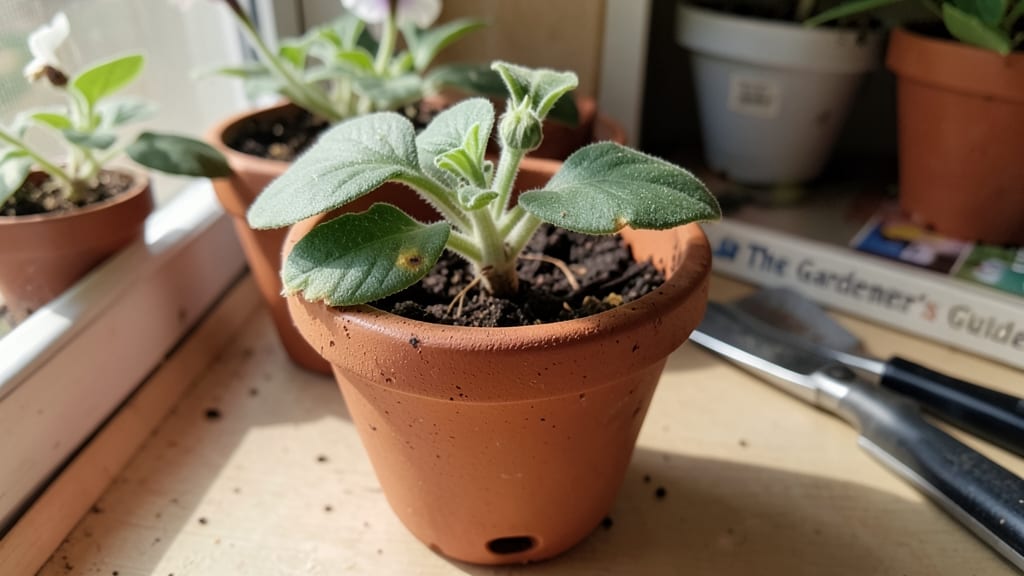
Mastering petunia seedling identification early on prevents costly mistakes—like accidentally uprooting the wrong plants or weeding out your own blooms. 🌱 I’ve spent years pulling up what I thought were petunias—only to realize they were weeds or completely different flowers.
The key is in the shape, color, and spacing of those first leaves, plus how fast the stems grow.
Most petunia seedlings have rounded, slightly fuzzy leaves with a mild gray-green hue, but varieties like ‘Wave’ or ‘Supertunia’ start with broader, darker foliage. Weed seedlings often have jagged edges or hairy stems, while true petunias grow in neat clusters.
A magnifying glass helps spot the subtle differences that matter when planning your summer blooms.
Correct identification means stronger plants and better color coordination in your garden. Once you recognize the patterns—like the deep veins of ‘Mitchell’ petunias or the serrated edges of ‘Dreamies’—you’ll spot them instantly. This skill cuts down on wasted effort and ensures your garden thrives with the exact varieties you love.
Even experienced gardeners mix up seedlings, so don’t stress if it takes a few seasons to master.
Start with a small batch of known varieties, compare them side by side, and soon you’ll be an expert at picking the right petunias for your space—whether it’s hanging baskets, window boxes, or garden beds.
Mistaken Traits in Seedling Growth
When it comes to petunia seedling identification, misidentifying varieties often boils down to a few key biological and environmental factors. Understanding these causes helps gardeners take corrective action early—before seedlings outgrow their true traits or develop irreversible characteristics.
Below, we break down the most common reasons why petunia seedlings can look misleadingly similar or fail to match their expected traits.
Not all petunia seeds are created equal—even within the same packet. Hybridization and open-pollination can lead to seedlings that don’t resemble the parent plant. Here’s why:
- Cross-pollination: If your petunias are planted near other flowering plants (like tomatoes, eggplants, or even wild petunias), bees or wind can transfer pollen, creating unpredictable offspring. For example, a velvet petunia (with fuzzy leaves) might produce a seedling with smooth, grandiflora-type leaves.
- Inbred lines vs. hybrids: Some petunia varieties are F1 hybrids (first-generation crosses bred for uniformity). If you save seeds from these, the next generation may revert to recessive traits, like smaller flowers or different leaf shapes.
- Seed source reliability: Cheap or unidentified seeds (e.g., from unknown sellers or "mystery mixes") often lack true-to-type guarantees. A seed labeled "pink petunia" might actually produce seedlings with lavender, white, or striped blooms.
Actionable fix: Buy seeds from reputable suppliers that specify "true-to-type" or "hybrid" varieties. If saving seeds, isolate plants by at least 50 feet from other petunias and hand-pollinate with a brush for consistency.
Seedlings don’t always express their "true" traits because stress during early growth can alter development. Common stressors include:
- Temperature fluctuations: Petunias germinate best at 65–75°F (18–24°C). If soil temps drop below 55°F (13°C) or spike above 85°F (29°C), seedlings may develop stunted, deformed leaves or unusual coloration (e.g., yellowing or purpling).
- Light exposure: Too little light causes etiolation—long, weak stems and small, pale leaves. Too much direct sun (especially in hot climates) can scorch seedlings, making them look like a different variety (e.g., a wave petunia might develop crispy edges resembling a multiflora type).
- Moisture extremes:
- Overwatering: Leads to root rot and mushy, dark leaves (mimicking disease-resistant varieties).
- Underwatering: Causes thick, leathery leaves or rolled edges, which might be mistaken for drought-tolerant types like Supertunia.
Actionable fix: Maintain consistent moisture (keep soil lightly damp, not soggy) and use grow lights for 12–16 hours/day if natural light is insufficient. For heat stress, use shade cloth (30–50%) until seedlings are hardened off.
Petunia seedlings need a balanced diet to develop correctly. Nutrient imbalances can mask true variety traits or create false ones:
| Nutrient Issue | Visual Effect on Seedlings | Misidentification Risk |
|---|---|---|
| Nitrogen (N) deficiency | Pale, yellowing leaves (chlorosis), stunted growth | Seedlings may look like dwarf varieties or nutrient-sensitive hybrids. |
| Phosphorus (P) deficiency | Dark green/purple stems, slow root growth | Could be confused with slow-growing heirloom types. |
| Potassium (K) deficiency | Yellowing leaf edges, weak stems | Might resemble heat-stressed seedlings of other varieties. |
| Calcium (Ca) deficiency | Cup-shaped leaves, stunted growth | Could mimic compact petunia varieties like Tiny Ttim. |
| Toxic buildup (e.g., salt, chlorine) | Brown leaf tips, crispy edges | May look like disease-resistant types or old varieties prone to browning. |
Actionable fix: Use a balanced fertilizer (10-10-10 or 5-10-5) at half-strength every 2–3 weeks. Avoid tap water with high chlorine—use rainwater or filtered water instead. If soil is salty, flush with distilled water.
Diseases and pests can alter seedling appearance so dramatically that they resemble an entirely different petunia variety:
- Fungal infections (e.g., powdery mildew, damping-off):
- Powdery mildew: White, powdery coating on leaves → Seedlings may look like silver-leaf varieties (e.g., Petunia ‘Silver Frost’).
- Damping-off: Dark, mushy stems at soil level → Can mimic root-bound seedlings of compact types.
- Viral infections (e.g., tomato spotted wilt virus): Mosaic patterns, stunted growth, or unusual coloration (e.g., streaks on leaves) → Might be mistaken for striped or variegated petunias.
- Insect damage (e.g., aphids, spider mites):
- Aphids: Curled, sticky leaves → Could resemble heat-stressed wave petunias.
- Spider mites: Bronzing or speckling → May look like sun-scorched multiflora types.
Actionable fix: Prevent pests with neem oil or insecticidal soap. For fungi, use copper fungicide or baking soda spray (1 tsp baking soda + 1 quart
Quick Fixes for Seedling Confusion
Now that you understand why petunia seedlings can look so similar (or why misidentification happens), let’s tackle the solutions—practical, step-by-step fixes to ensure you’re growing the right varieties with confidence.
Whether you’re dealing with overlapping traits or accidental mix-ups, these strategies will help you correctly identify, separate, and nurture your seedlings like a pro.
Problem: Seedlings look too alike at first glance. Fix: Train your eyes with a side-by-side comparison guide and a magnifying glass (or phone camera with macro mode).
- 📏 Measure leaf shape and size: Use a ruler or printed reference chart to compare petunia types.
For example: - Grandiflora petunias often have larger, broader leaves (3–5 inches long). - Milliflora varieties typically sport smaller, rounder leaves (1–2 inches). - Multiflora leaves fall somewhere in between but may have a slightly serrated edge.
- 🌱 Examine stem thickness and hairiness: Run your fingers along the stems—some petunias (like Surfinia) have fuzzy, glandular stems, while others (Wave) are smoother.
- 🎨 Note color patterns: Even young seedlings may show vein color or underside hues that differ slightly. Use a white background to spot subtle contrasts.
💡 Pro Tip: Take close-up photos of each seedling and label them with variety names (or suspected names) before transplanting. Over time, you’ll spot patterns you might miss in person.
Problem: Mixed varieties grow together, making identification harder. Fix: Transplant seedlings into individual pots as soon as they have 2–3 true leaves (not just cotyledons).
- 📌 Use color-coded tags or labels: Write the suspected variety on small plant markers or twist ties. If you’re unsure, note traits like:
- "Possible Grandiflora – large leaves, upright growth"
- "Possible Wave – dark green, slightly hairy stems"
- 🏷️ Group by traits: Sort seedlings into temporary clusters based on leaf shape, stem texture, or flower bud color (if visible). Move them to separate trays or grow bags to prevent cross-pollination.
⚠️ Warning: Avoid overcrowding—root-bound seedlings develop stress, which can alter leaf shape and make identification even trickier!
Problem: Seedlings aren’t showing their "true colors" yet. Fix: Adjust light and nutrients to coax out variety-specific traits.
| Trait to Highlight | How to Encourage It | What to Avoid |
|---|---|---|
| Large, bold leaves (Grandiflora) | Use full-spectrum grow lights (12–14 hrs/day) and balanced fertilizer (10-10-10). | Overwatering—leads to yellowing. |
| Compact, bushy growth (Multiflora) | Pinch back top growth when seedlings are 3–4 inches tall to promote branching. | High-nitrogen fertilizer—causes leggy stems. |
| Trailing stems (Surfinia/Wave) | Train seedlings to climb a small trellis or let them trail over the pot’s edge. | Crowding—restricts natural sprawl. |
💡 Pro Tip: If you’re still unsure, let a few seedlings bloom—flower shape and color are the most reliable identifiers! For example:
- Grandiflora petunias have large, single blooms.
- Milliflora produce tiny, clustered flowers.
- Supertunia varieties often have double-layered petals.
Problem: You don’t want to repeat the confusion next season. Fix: Implement these long-term strategies for foolproof identification.
- 🌱 Start with named seeds: Purchase seeds from reputable suppliers that clearly label varieties. Avoid "mixed petunia" packets if you want specific traits.
- 📦 Use separate trays for each variety: Even if seedlings look identical early on, physical separation prevents accidental cross-pollination (which can create hybrid seedlings with unpredictable traits).
- 📅 Track growth stages: Keep a simple journal with:
- Date of germination
- First true leaf appearance
- Transplant date
- Flowering timeline This helps you predict when traits will emerge and spot anomalies early.
- 🔄 Save reference plants: If you’re growing heirloom or rare petunias, keep one mature plant of each variety as a "standard" for comparison.
✨ Bonus: Join a gardening forum or local petunia club—share photos and ask experts to confirm identifications. Many growers love helping with tricky cases!
If you’ve already planted seedlings together and can’t separate them:
- 🌱 Let them grow and observe which traits dominate.
- 🌸 Note the first flowers—this is your best clue!
- 🔄 Consider dividing if roots intertwine (gently tease apart with a clean knife).
- 🌿 Accept the hybrid—sometimes accidental mixes create stunning new varieties!
Final Thought: Petunia seedling identification takes patience and practice, but with these fixes, you’ll go from guessing to growing with confidence. Start small, label everything, and soon you’ll be spotting Grandiflora from Milliflora at a glance! 🌺
Frequently asked questions about petunia seedlings
How do I tell petunia seedlings apart from weeds?
Petunia seedlings have rounded, fuzzy leaves with visible veins, while weeds often have jagged or serrated edges. Look for clusters of seedlings growing close together—petunias rarely grow alone. Weeds like chickweed have hairy stems, while petunia stems are smooth or slightly fuzzy.
What’s the difference between Grandiflora and Milliflora petunia seedlings?
Grandiflora seedlings have larger leaves (3–5 inches) with broader shapes, while Milliflora leaves are smaller and rounder (1–2 inches). Check stem thickness—Grandiflora stems are sturdier, while Milliflora are finer. Flower buds also appear earlier in Milliflora varieties.
Can I identify petunia varieties just by looking at the first leaves?
Not always, but you can spot clues! True petunia leaves are gray-green with fine hairs, while cotyledons (first leaves) look similar across varieties. Wait for the second set of leaves—these reveal true traits like leaf shape and vein patterns. If unsure, let a few bloom for confirmation.
Why do my petunia seedlings look different from the seed packet?
Cross-pollination, stress, or poor growing conditions can alter traits. For example, heat stress causes purpling, while nutrient deficiencies (like nitrogen) turn leaves yellow. Use a magnifying glass to check for subtle differences—like vein color or leaf texture—that match the packet’s description.
When should I transplant petunia seedlings to avoid mix-ups?
Transplant as soon as they have 2–3 true leaves (not just cotyledons) to prevent overcrowding. Label each pot with the suspected variety and group them by traits (e.g., leaf size, stem hairiness). This keeps seedlings from blending together and makes identification easier later.