
Trees
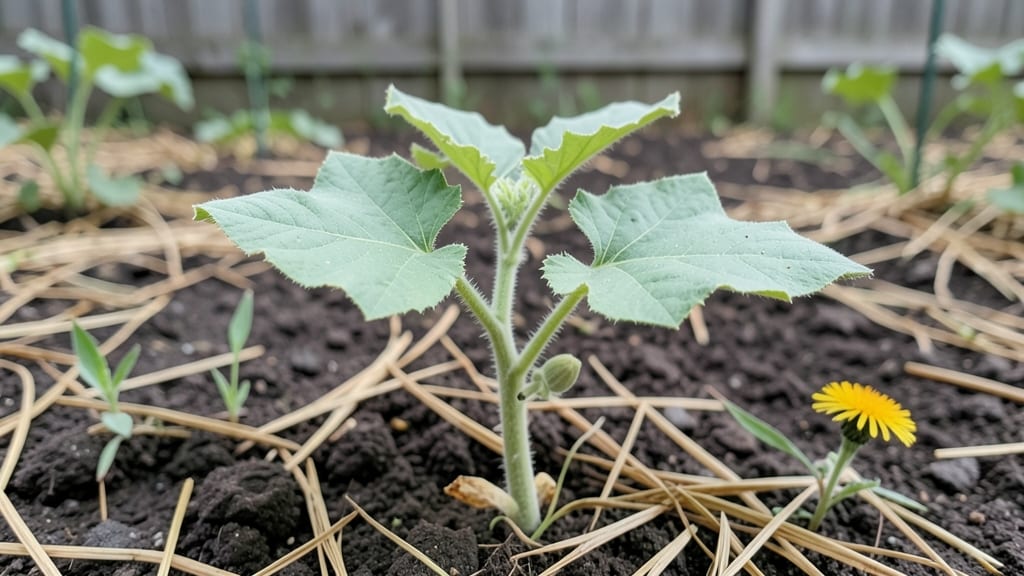
Mastering melon seedling identification begins with those first tiny leaves—cotyledons—that look nothing like what you’ll harvest later. 🌱 I’ve spent years watching seedlings emerge, and the shape of those first leaves tells you everything about what’s coming next, whether it’s a sweet cantaloupe or a sprawling watermelon.
The key is knowing what healthy cotyledons look like versus what’s already gone wrong.
Cantaloupe seedlings often have rounded cotyledons with a slightly fuzzy texture and veins that spread outward like a spiderweb. Watermelon cotyledons are broader and more heart-shaped, while honeydew seedlings tend to be smoother and slightly more elongated.
The veins in watermelon seedlings are thicker and more pronounced, almost like tiny rivers. If the cotyledons look yellowed, wilted, or have black spots, that’s your warning sign—disease or overwatering is already at work.
Once the true leaves appear (the second set, after cotyledons), you’ll see the real variety clues: serrated edges for cantaloupe, deeply lobed for watermelon, or smooth, rounded for honeydew.
These leaves are where the plant’s identity truly shows itself, and by then, it’s too late to fix mistakes made in the first week. The goal? Catch problems early, before seedlings spend energy fighting instead of growing.
This isn’t just about avoiding mistakes—it’s about setting up your melons for a season of strong vines, heavy fruit, and fewer disappointments. Whether you’re growing in flats or direct-sown, the same rules apply. Let’s get those seedlings identified right the first time.
Root Causes Of Misidentification
Understanding why melon seedlings can be tricky to identify starts with recognizing the biological and environmental factors that influence their early growth. Here’s a breakdown of the most common reasons why gardeners and botanists might struggle with accurate melon seedling identification:
Melon seedlings exhibit striking differences in their first leaves (cotyledons) and true leaves due to genetic diversity within species.
Even within the same variety, seedlings can show variations in: - Cotyledon shape (rounded, heart-shaped, or lobed) - Vein patterns (prominent, reticulate, or faint) - Leaf texture (smooth, slightly hairy, or serrated edges)
Why it matters: 💡 Some melon hybrids (like cantaloupe vs. honeydew) are bred to have distinct traits, but early seedlings may not yet display these characteristics. For example, a muskmelon (Cucumis melo) seedling might initially resemble a watermelon (Citrullus lanatus) if its true leaves haven’t emerged yet.
Actionable tip: 🔍 Compare seedlings to mature plant databases or use a dissecting loupe to examine vein density and cotyledon structure closely.
Temperature, moisture, and light conditions during the first 7–10 days of growth can distort normal seedling development, making identification harder.
Key stressors include: - Temperature fluctuations (too cold = stunted growth; too hot = irregular leaf shapes) - Over/under-watering (excess moisture = yellowing cotyledons; drought = curled leaves) - Poor light exposure (etiolation = elongated, pale seedlings with weak vein patterns)
Why it matters: 🌡️ Stress can cause false cotyledons (extra leaf-like structures) or delayed true leaf emergence, obscuring key identification traits. For instance, a winter melon (Benincasa hispida) seedling might develop abnormally if exposed to frost, mimicking disease rather than natural growth.
Actionable tip: 🌿 Maintain consistent soil temps (70–85°F) and use grow lights if natural light is insufficient.
Early-stage seedlings are vulnerable to insects, fungi, and bacteria, which can alter leaf structure before true identification traits appear. Common culprits:
- Aphids or spider mites (distort cotyledons, cause curling)
- Powdery mildew (white fungal growth obscures vein patterns)
- Damping-off fungus (rotting stems = collapsed seedlings)
Why it matters: 🐛 Damage often mimics natural variations, leading to misdiagnosis. For example, a bitter melon (Momordica charantia) seedling with aphid damage might be mistaken for a healthy cucumber (Cucumis sativus) due to deformed leaves.
Actionable tip: 🛡️ Use neem oil sprays preventatively and sterilize soil to reduce fungal risks.
If melons are grown near related cucurbit species (like squash or cucumbers), cross-pollination can produce seedlings with mixed traits, blurring identification lines. Even wind or insect-mediated pollination can result in:
- Chimeric seedlings (patchy vein patterns)
- Unpredictable leaf shapes (e.g., a melon with squash-like serrations)
Why it matters: ✨ Hybrid vigor can create unique but unidentifiable seedlings, especially in heirloom or open-pollinated varieties. A casaba melon (Cucumis melo var. inodorus) seedling might develop watermelon-like stripes if cross-pollinated.
Actionable tip: 🌼 Isolate melon plants from other cucurbits by 10+ feet or use pollination barriers (like fine mesh).
Not all seeds are what they claim to be! Issues like:
- Contaminated seed batches (mixed species)
- Old or stored improperly seeds (reduced viability, odd growth)
- Fake or misbranded seeds (e.g., "honeydew" seeds that grow into cantaloupes)
Why it matters: 🚨 A single mislabeled seed can throw off an entire crop’s identification. For example, seeds sold as "galia melon" might actually be a hybrid with cantaloupe traits, leading to confusion in the nursery.
Actionable tip: 🛒 Buy from reputable suppliers and test a few seedlings before committing to large-scale planting.
Even with perfect seedlings, misidentification can happen due to:
- Over-reliance on cotyledons (true leaves are more reliable)
- Ignoring root structure (melon roots vs. squash roots differ in branching)
- Comparing to incorrect references (e.g., using a watermelon guide for cantaloupe)
Why it matters: 🔍 Cotyledons alone aren’t enough—always wait for true leaves (first pair after cotyledons) to emerge for accurate ID.
Actionable tip: 📸 Take close-up photos of seedlings from multiple angles and consult a botanical key for cucurbits.
Quick fixes for seedling struggles
Identifying melon seedlings correctly is just the first step—keeping them thriving is the real challenge. Whether your seedlings are stunted, discolored, or struggling to grow, these targeted solutions will help you diagnose and resolve common issues. Below, we’ve mapped out the most frequent problems and their fixes, along with prevention tips to keep your seedlings strong from the start.
When seedlings are too close together, they compete for light, water, and nutrients, leading to weak stems and yellow leaves.
How to Fix It:
🔥 Thin Them Out – Use clean scissors or your fingers to gently remove weaker seedlings, leaving only the healthiest ones spaced 12–18 inches apart (for squash/melon varieties). 🍳 Boost Soil Nutrition – Mix in a balanced fertilizer (10-10-10) or compost to replenish depleted nutrients after thinning. 👨🍳 Improve Airflow – If growing indoors, space seedlings under grow lights or move them to a sunny windowsill with at least 6 hours of direct light daily.
Prevention Tips:
✨ Start with Proper Spacing – Plant seeds 1 inch deep and 2–3 inches apart in trays, then transplant carefully. 🌡️ Use Larger Containers – If growing in pots, opt for 5–7 inch diameter containers to reduce early competition.
Seedlings that stretch toward light but lack sturdy stems are often a sign of insufficient light or overwatering.
How to Fix It:
🔥 Provide Stronger Light – Move seedlings to a south-facing window or use full-spectrum LED grow lights 12–14 hours daily. 🍳 Firm Up the Soil – Gently press soil around the base of each seedling to encourage root stability. 🔪 Prune Excess Leaves – If seedlings are top-heavy, trim 1–2 lower leaves to redirect energy to stem strength.
Prevention Tips:
✨ Use a Light Timer – Maintain consistent light exposure (14–16 hours for seedlings) to prevent stretching. 🎯 Water at the Base – Avoid overhead watering, which can weaken stems. Use a spray bottle or drip method instead.
Yellowing leaves (especially older ones) or sudden wilting can signal overwatering, fungal issues, or nutrient deficiencies.
How to Fix It:
🔥 Check Moisture Levels – Stick your finger 1 inch into the soil; if soggy, let it dry out before watering again. 🍳 Fertilize Correctly – Use a low-nitrogen, high-phosphorus fertilizer (like 5-10-10) to support root and leaf health. 👨🍳 Treat Fungal Issues – If leaves have black spots or powdery mildew, spray with a neem oil solution (1 tsp neem oil + 1 quart water).
Prevention Tips:
💡 Use Well-Draining Soil – Mix coco coir or perlite into potting soil to improve drainage. 🌡️ Avoid Crowding – Poor airflow spreads disease; ensure 3–4 inches of space between seedlings.
If your melon seeds aren’t sprouting within 7–14 days, it could be due to old seeds, improper moisture, or temperature issues.
How to Fix It
🔥 Test Seed Viability – Soak a few seeds in warm water overnight; if they sink, they’re likely viable.
Discard any that float. 🍳 Adjust Moisture & Heat – Keep soil consistently moist (not soggy) and maintain 70–85°F using a seedling heat mat if needed. 🔪 Scratch the Seed Coat – For stubborn seeds, gently file the hard outer shell with sandpaper to help water penetrate.
Prevention Tips:
✨ Store Seeds Properly – Keep them in a cool, dry place (below 40°F) in an airtight container for up to 5 years. 🎯 Pre-Soak Seeds – Soak melon seeds in warm water for 4–6 hours before planting to speed up germination.
With these fixes, your melon seedlings should bounce back quickly. The key is act fast—most issues are easier to resolve in the early stages. Once your seedlings are strong, they’ll reward you with healthy vines, abundant flowers, and delicious fruit! 🍉✨
Frequently asked questions
What’s the difference between cotyledons and true leaves in melon seedlings?
Cotyledons are the first leaves that appear and look nothing like mature melon leaves—they’re usually rounded or heart-shaped with simple vein patterns. True leaves (the second set) reveal the plant’s identity with distinct shapes: cantaloupe seedlings show jagged edges, watermelon seedlings have deep lobes, and honeydew seedlings develop smooth, rounded leaves. Cotyledons don’t last long, so focus on true leaves for accurate identification.
How can I tell if my melon seedlings are healthy or diseased?
Healthy seedlings have vibrant green cotyledons with visible veins, sturdy stems, and no yellowing. Watch for red flags: black spots or mold mean fungal issues, yellowing leaves signal overwatering or nutrient deficiency, and stunted growth could indicate poor light or root rot. If you spot powdery white residue, it’s likely powdery mildew—treat immediately with neem oil.
Why do my melon seedlings look different from the seed packet description?
Early seedlings often don’t match mature plant descriptions because cotyledons vary widely even within the same variety. True leaves (the second set) are far more reliable for identification. Environmental stress—like temperature swings or poor light—can also distort leaf shape. If seedlings look abnormal, check your growing conditions first before assuming a mislabeled seed.
Can I use a magnifying glass to identify melon seedlings more accurately?
A 10x magnifying glass or dissecting loupe helps examine cotyledon vein patterns and subtle differences in leaf texture. For example, watermelon seedlings have thicker veins than cantaloupe, and honeydew seedlings often show smoother edges under close inspection. This is especially useful when seedlings are still small and true leaves haven’t emerged.
What’s the best way to document melon seedlings for future reference?
Take close-up photos of both cotyledons and true leaves from multiple angles, including undersides, using natural light. Label each image with the seed variety, planting date, and growing conditions. Store photos digitally in a labeled folder—this creates a reference library for comparing future seedlings and spotting early issues.