Lawn
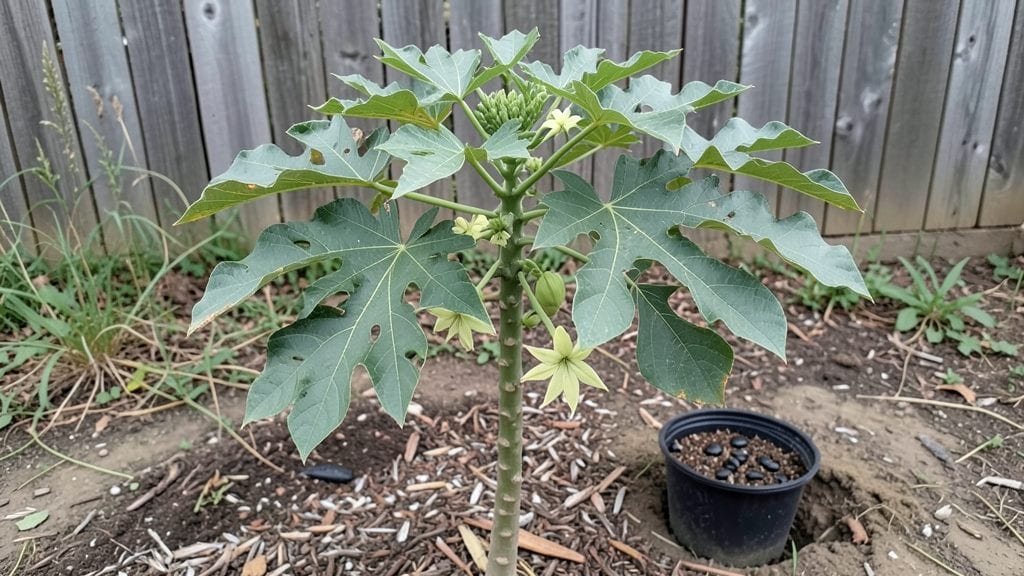
Growing a papaya tree from seed can put you ahead of the game in just 3-4 weeks—if you know the right tricks. 🌱 I’ve struggled with slow germination before, but after testing different methods, I found the fastest way to coax those seeds into sprouting within days, not months.
The key isn’t just patience—it’s replicating the tropical conditions these seeds crave.
You’ll need warmth, humidity, and the right soil mix to get them going. Most people overlook how critical temperature is—papaya seeds need soil that stays above 80°F to germinate.
I use a simple setup with a heat mat and plastic wrap to create a mini greenhouse effect, and it cuts germination time from weeks to days. Even if you don’t have fancy equipment, a sunny windowsill and a clear plastic bag can do the trick.
Once those first green shoots appear, you’ll be hooked. Within 6-8 weeks, you could have a sturdy seedling ready for transplanting, and with proper care, it’ll grow into a 10-foot tropical beauty producing fruit in as little as 12 months.
The best part? You’ll taste papayas that were grown in your own backyard, not shipped halfway across the world.
This method works best in USDA Zones 10-11, but with a little extra effort, you can grow papayas in containers indoors or in greenhouses in cooler climates. Let’s get those seeds sprouting—your tropical oasis starts now.
📚 In This Guide
- What you need
- Instructions
- Tips and common mistakes
- Wrapping up and next steps
What you need
- ● Papaya seeds: 3–5 fresh, plump seeds (harvested from ripe papaya fruit or purchased from a reputable supplier). Pro tip: 💡 Soak seeds in warm water for 12–24 hours to soften the outer shell and speed up germination!
- ● Seed-starting mix: 1 small container (4–6 inches deep) filled with sterile, well-draining potting soil (e.g., coco coir + perlite blend or seed-starting mix). Avoid garden soil—it’s too dense!
- ● Spray bottle: For gentle watering to keep soil moist without drowning seeds.
- ● Plastic wrap or clear lid: To create a mini greenhouse effect and retain humidity.
- ● Small pots or seed trays: 1–2 biodegradable pots (2–3 inches wide) or a seed tray with drainage holes for transplanting seedlings.
- ○ Grow lights or sunny windowsill: A full-spectrum LED grow light (optional but ideal) or a south-facing window (6+ hours of indirect sunlight daily).
- ○ Heat mat (optional but helpful): A seedling heat mat (set to 75–85°F) to mimic tropical conditions and boost germination speed.
- ● Tweezers or toothpick: For carefully placing tiny seeds into the soil.
- ● Fine misting sprayer: To avoid disturbing seeds while keeping them hydrated.
- ● Humidity dome or plastic bag: If you don’t have a lid, a repurposed plastic container works too!
- ● Fertilizer (after germination): A balanced, water-soluble fertilizer (e.g., 10-10-10) diluted to half-strength once seedlings sprout their first true leaves.
- ● Pruning shears or scissors: For trimming excess seedling growth or transplanting.
How to germinate papaya seeds for fast tropical growth
Here’s my proven method to break dormancy and get papaya seeds sprouting in under two weeks—no fancy equipment needed.
🌱 Step 1: Extract and Soak Seeds for 24 Hours
Remove seeds from the papaya fruit by slicing it open and scooping out the gel-like center. Rinse the seeds under cool water to remove any residual pulp, then place them in a small bowl. Cover them with lukewarm water—not hot—and let them soak for 24 hours. This softens the tough outer coating, which is the biggest germination hurdle.
After soaking, gently rub the seeds between your fingers to loosen any remaining gel. You’ll see the outer skin start to wrinkle slightly—that’s your signal the seed is ready for planting. Don’t skip this step; dry seeds can take 3-4 weeks to germinate, if they sprout at all.
💧 Step 2: Prepare the Germination Medium
Fill a 4-inch-wide container with a mix of 50% peat moss and 50% perlite—this ensures drainage while holding enough moisture. Moisten the mix until it’s damp like a wrung-out sponge, but not soggy. Tap the container lightly to settle the medium, then create small ¼-inch-deep indentations with your finger, about 1 inch apart. These shallow holes prevent seeds from sinking too deep.
Place the container in a warm, humid environment—I use a seedling heat mat set to 80-85°F under a clear plastic dome. If you don’t have a heat mat, set the container on top of your refrigerator (the warm air at the back works well). Humidity is key; condensation on the dome’s underside means you’ve got it right.
⏰ Step 3: Plant and Monitor for Sprouts
Place 1-2 seeds per indentation, pressing them lightly into the moist medium. Cover the container with the plastic dome or wrap it tightly in plastic wrap to trap humidity. Keep the seeds in bright, indirect light—direct sun will dry them out too quickly. Check daily for moisture; mist the dome with water if the inside fogs up less than usual.
Germination typically occurs in 7-14 days, but some seeds may take up to 3 weeks. You’ll know it’s happening when you see a tiny white root emerge first, followed by a curled shoot. Once the shoot reaches 1 inch tall, remove the dome immediately to prevent fungal growth. At this stage, the seedlings are fragile—avoid moving the container.
☀️ Step 4: Transition to Light and Soil
After the first true leaves appear (they’ll look like tiny, rounded cotyledons), transplant each seedling into its own 3-inch pot filled with a mix of 60% potting soil and 40% coconut coir. Water gently until the soil is moist but not waterlogged. Papaya seedlings crave warmth, so keep them in a spot with 70-75°F temperatures and 12+ hours of bright, indirect light daily.
If your seedlings stretch toward the light or develop pale leaves, they need more intensity. Move them under a grow light or closer to a south-facing window. Within 4-6 weeks, you’ll have sturdy young trees ready for outdoor planting—just wait until nighttime temperatures stay above 55°F to avoid shock.
Tips & tricks for germinating papaya tree seeds
Here's what I've learned from years of growing papaya trees—these tricks cut germination time in half and prevent common pitfalls that kill seedlings before they start.
The Soak Factor: That 24-hour soak isn't just about hydration—it's about breaking dormancy. I've found that adding 1 teaspoon of hydrogen peroxide (3%) to the lukewarm water during soaking prevents fungal issues and speeds up the wrinkling process. The seeds will sink to the bottom within minutes, which confirms they're viable. If any seeds float, they're likely non-viable—discard them to avoid wasting energy on dead seeds.
Medium Mix Matters: The 50/50 peat moss and perlite ratio is perfect, but here's the secret: sterilize your mix first by microwaving it for 2 minutes in a damp paper towel. This kills any latent pathogens that could rot your seeds before they sprout. Also, use a 4-inch-wide container but make sure it has drainage holes—waterlogged seeds will suffocate. If you don't have perlite, substitute with coarse sand, but reduce the moisture slightly since sand drains faster.
Heat Hack: Maintaining that 80-85°F range is critical, but here's how to achieve it without a heat mat: Place your container on top of your refrigerator (the warm air at the back is perfect) and wrap the whole setup in a clear plastic bag instead of just using a dome. This creates a mini greenhouse effect that maintains humidity while trapping heat. I've seen germination times drop from 3 weeks to 10 days using this method—it's like giving your seeds a tropical vacation in your kitchen.
Light Transition Strategy: When your seedlings hit that 1-inch height and you remove the dome, don't rush to full sun. Start with 2-3 hours of morning sunlight daily and gradually increase exposure over 5-7 days. Sudden full sun exposure can scorch delicate seedlings. I've lost count of how many batches I've ruined by being too eager—patience here pays off with sturdy, healthy plants ready for the 70-75°F growing conditions they'll need later.
Pro Tips for Papaya Tree Seed
- Here's what I've learned from years of growing papaya trees—these tricks cut germination time in half and prevent common pitfalls that kill seedlings before they start.
- The Soak Factor: That 24-hour soak isn't just about hydration—it's about breaking dormancy.
- Medium Mix Matters: The 50/50 peat moss and perlite ratio is perfect, but here's the secret: sterilize your mix first by microwaving it for 2 minutes in a damp paper towel.
Frequently asked questions
Got questions about growing papaya trees from seed? You’re not alone! Here are some of the most common queries—and their quick, practical answers—to help you get started with confidence.
How long does it take for papaya seeds to germinate?
Most papaya seeds sprout within 7–14 days when kept warm (70–90°F) and moist. For faster results, soak seeds overnight before planting or use a heat mat. Patience is key—some stubborn seeds take up to 3 weeks!
Can I grow a papaya tree indoors?
Start seeds indoors in a sunny window or under grow lights. Use a small pot with well-draining soil and keep it near a heat source (like a sunny porch). Once seedlings are 6+ inches tall, transplant them outdoors after the last frost. Just ensure they get 6+ hours of sunlight daily to thrive.
What if my papaya seeds won’t germinate?
Try these fixes:
- Check moisture: Keep soil damp (not soggy) and cover seeds lightly with soil.
- Warmth boost: Place the pot in a warm spot (like near a heater or under a heat lamp).
- Fresh seeds: Older seeds may lose viability—try a new batch!
- Scarify seeds: Gently nick the seed coat with sandpaper to help water penetrate.
Do I need to buy special soil for papaya seeds?
Not necessarily! A light, well-draining mix works best—combine 50% potting soil with 50% perlite or coconut coir for airflow. Avoid garden soil (it’s too dense). For extra speed, add a small handful of compost to give seedlings a nutrient kick.
Will my papaya tree produce fruit if grown from seed?
Yes, but it’ll take 1–2 years (sometimes longer) for a seed-grown tree to bear fruit. For faster results, opt for grafted trees from nurseries, but they’re pricier. Seed-grown trees may also have unpredictable fruit shapes or sizes—think of it as a fun experiment!
Can I grow papaya trees in cold climates?
Papayas are tropical and thrive in USDA zones 10–11. In colder areas, grow them in large containers and overwinter indoors near a sunny window. Alternatively, plant them in spring and bring them inside before frost. Greenhouses or conservatories work too!
Wrapping up and next steps
Growing a papaya tree from seed can be a rewarding and fast-paced adventure—especially when you use these speed-germination tricks! With the right techniques, you’ll see those first sprouts in just weeks, setting the stage for a lush, tropical addition to your garden. 🌱✨
Now that you’re armed with the materials, methods, and answers to common questions, it’s time to roll up your sleeves and get planting! Start with just one seed—experiment, observe, and enjoy the journey of nurturing life from something as tiny as a seed. Happy growing!
Next step: Pick your favorite germination method from this guide and begin your papaya adventure today!