Propagation
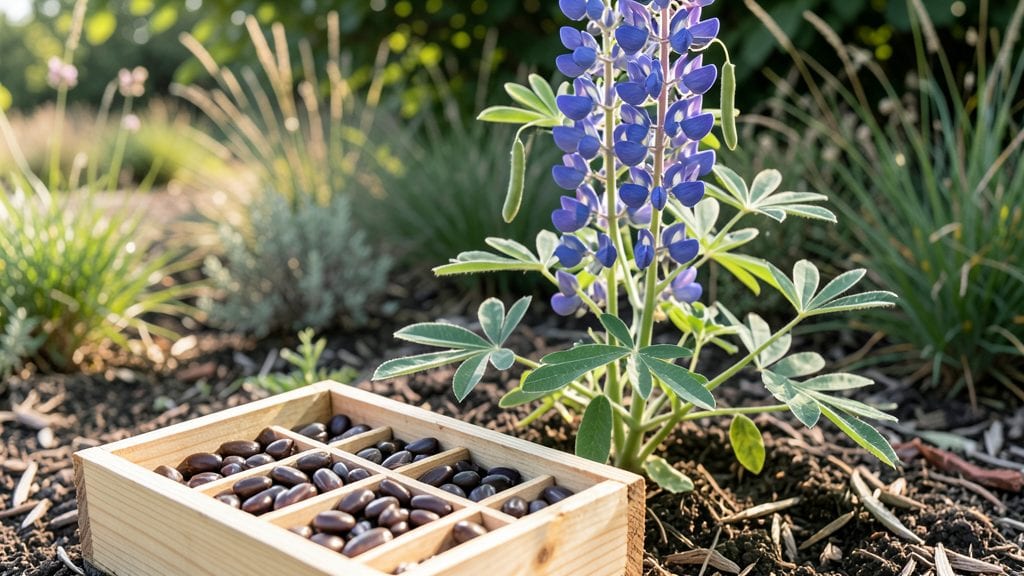
The meaning of seeds lies in their role as nature's genetic archives, encoding everything needed for a plant's life cycle—from embryonic development to environmental adaptation. They enable survival through dormancy, germination triggers, and stored nutrients that fuel early growth.
Seeds are essentially life's instruction manuals, packaged in protective shells that can lie dormant for years before conditions are perfect to sprout. 🌱 This dual capability—preserving genetic information while remaining flexible to environmental cues—is what makes seeds so extraordinary in nature's toolkit.
Whether you're growing heirloom tomatoes or restoring ancient forests, understanding this duality helps you harness their potential more effectively.
What's fascinating is how seeds adapt to their surroundings. Some require fire to break dormancy, while others need cold stratification—these built-in survival strategies explain why certain seeds thrive in deserts or alpine regions. For gardeners, this means selecting varieties matched to your local climate can dramatically improve success rates.
💡 In This Article
- Seed Anatomy and Genetic Blueprint Functions
- Practical Seed Selection for Gardeners and Farmers
Seed anatomy and genetic blueprint functions
At the heart of every seed lies a microscopic powerhouse: the embryo, which contains the complete genetic blueprint for the plant. This embryonic structure—comprising a root (radicle), shoot (plumule), and one or more cotyledons—is suspended in a protective matrix.
The radicle, for example, can measure just 0.5-2 millimeters in length but contains all the instructions needed to anchor the plant and begin nutrient absorption within 24-48 hours of germination.
The seed coat serves as nature's airtight container, regulating moisture and gas exchange to maintain dormancy until conditions are optimal.
This outer layer contains 5-10 layers of cells in some species, with waterproofing compounds like suberin that can keep seeds viable for decades—like the 2,000-year-old lotus seeds that still germinated in scientific labs.
The coat's thickness varies dramatically: thin-skinned seeds like lettuce germinate quickly, while hard-coated seeds like some legumes require scarification or microbial action to weaken their protective barrier.
Genetic information directs these processes through epigenetic modifications—chemical tags on DNA that activate or suppress genes based on environmental signals.
For instance, cold stratification (exposure to cold periods) triggers enzymes that break down growth inhibitors in seeds like apples or cherries, while fire-sensitive seeds (like certain eucalyptus) contain compounds that only degrade when exposed to smoke or high temperatures.
This adaptive programming explains why some seeds remain dormant for years until a specific trigger—like a forest fire or monsoon—signals safety for growth.
The endosperm plays a critical role as the seed's energy reservoir, containing starches, oils, and proteins that fuel early development. In corn seeds, the endosperm makes up 85% of the seed's volume, while in beans it's more modest at 20-30%.
This nutrient distribution directly impacts germination speed: oil-rich seeds like sunflower germinate faster due to their concentrated energy, while starch-heavy seeds may take longer but provide sustained growth. The balance between these components determines whether a plant will emerge quickly in ephemeral environments or wait for stable conditions.
What most people don't realize is how seeds use chemical signaling to coordinate their development. Gibberellins, a class of plant hormones, break down starches in the endosperm into sugars that feed the embryo, while abscisic acid maintains dormancy until moisture and temperature cues align.
This hormonal dance explains why some seeds need light exposure (like many weeds) while others require complete darkness (like certain forest floor plants) to germinate successfully.
Consider how these mechanisms enable survival in extreme environments: the desert-dwelling Welwitschia mirabilis produces seeds that can remain dormant for years until rare rainfall triggers germination, while arctic willows have seeds that require freezing temperatures to break dormancy.
These adaptations demonstrate how genetic blueprints aren't static—they're dynamic responses to evolutionary pressures that have shaped plant life across every continent.