
Pruning
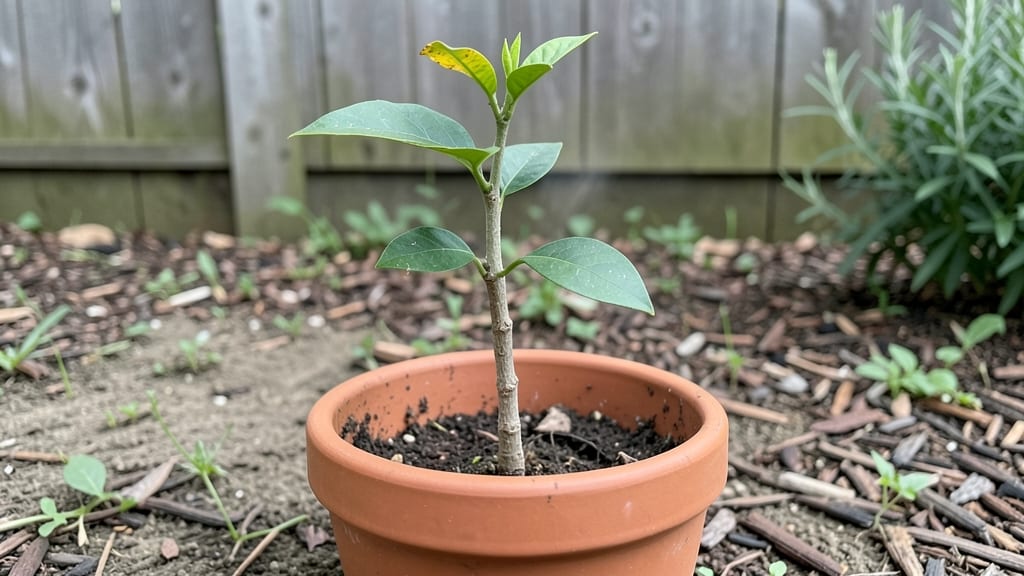
Growing an orange tree from a seedling starts with one simple truth: stratification unlocks the potential for reliable blooms down the road. 🌱 I learned this the hard way after my first seedling sat dormant for months—until I finally cracked the cold treatment secret.
The process mimics winter's natural chilling period, breaking seed dormancy so your young tree focuses energy on roots instead of waiting for the perfect moment.
You'll need just three things: a plastic bag, a damp paper towel, and your patience. Place the seed between the towel layers, seal it in the bag, and refrigerate for 30-60 days. This isn't complicated—it's about giving nature a helping hand.
Most people skip this step entirely, which explains why so many seedlings struggle to thrive past the first year. The key is consistency: check moisture weekly without letting it dry out completely.
Once stratified, transplant into well-draining soil and a 6-inch pot with southern exposure. Your seedling will reward you with bright green leaves within weeks, then sturdy stems ready for outdoor planting by spring.
The blooms won't come overnight, but this method ensures you're working with a tree that's genetically primed to fruit—if you give it time and the right conditions.
Even experienced gardeners underestimate how delicate the early stages are. Watch for yellowing leaves (a sign of overwatering) and stunted growth (often from poor drainage). With proper stratification, though, you'll skip years of frustration and see real progress. Here's how to keep it growing strong once those first leaves appear.
📚 In This Guide
- What you need
- Instructions
- Tips and common mistakes
- Wrapping up and next steps
What you need
- ● Orange seeds: 2–3 fresh, plump seeds (from a ripe, organic orange—avoid navel oranges, as they’re sterile).
- ● Well-draining potting mix: 1 bag (10–12 quarts) of a blend like cactus/succulent mix or peat-based soil with perlite.
- ● Small pots or seed trays: 2–3 biodegradable pots (3–4 inches wide) or a seed tray with drainage holes.
- ● Plastic wrap or humidity dome: To create a mini greenhouse effect.
- ● Spray bottle: For gentle watering (avoid over-saturation!).
- ● Grow lights or sunny windowsill: A south-facing window or a 12–16" LED grow light for 12+ hours/day.
- ○ Fertilizer (optional but helpful): A balanced houseplant fertilizer (5-5-5 or 10-10-10) diluted to half-strength.
- ● Knife or scissors: For carefully extracting seeds from the orange.
- ● Ruler or measuring tape: To monitor seedling growth (aim for 1–2 inches before transplanting).
- ○ Thermometer (optional): To track soil temps (ideal: 65–75°F for germination).
- ● Patience! 🌱 Orange seeds can take 2–6 weeks to sprout—consistency is key.
How to stratify orange tree seeds for strong, blooming seedlings
Stratification mimics nature's way of breaking seed dormancy—here's how to do it right for citrus.
🌱 Step 1: Select and Prepare the Seeds
Start with fresh, plump orange seeds—older seeds germinate poorly. Remove the seeds from the fruit by slicing it open and scooping them out. Rinse them thoroughly under cool water to remove any fruit pulp, which can mold. Let them dry completely on a paper towel for 24 hours before proceeding. This drying step prevents rot during stratification.
Citrus seeds have a hard outer shell that needs weakening for reliable germination. I place the dried seeds between two layers of damp paper towels, then fold them into a small packet. This setup keeps moisture even while allowing airflow. Store the packet in a sealed plastic bag—just enough room for the seeds to breathe but not so loose they dry out.
⏰ Step 2: Cold Stratify for 6-8 Weeks
Place the sealed bag in your refrigerator's crisper drawer, where temperatures hover around 35-40°F. This cold treatment mimics winter conditions and signals the seed to break dormancy. Check the seeds weekly—if the paper towels dry out, mist them lightly with water and reseal the bag.
After 6-8 weeks, remove the seeds and inspect them. You'll see a slight softening of the outer shell, and some may even sprout a tiny root. If no changes occur, extend stratification by another 2 weeks. Over-stratifying won’t harm the seeds, but under-stratifying will leave you waiting months for germination.
🌿 Step 3: Warm Stratify to Trigger Germination
Move the seeds to a warm, dark place—I use the top of my refrigerator or a seedling heat mat set to 75-80°F. Place them in a small container with moistened potting mix (not garden soil) at a depth of ½ inch. Keep the mix damp but never soggy—citrus seeds rot quickly if overwatered.
Germination can take 2-4 weeks, depending on seed freshness. You’ll notice a small white root emerge first, followed by a tiny shoot. Once the shoot reaches 1 inch, transplant the seedlings into 4-inch pots with well-draining potting mix. This two-phase stratification ensures strong, healthy growth before blooming.
☀️ Step 4: Transition to Light and Care
After sprouting, place seedlings under bright, indirect light for 10-14 days to harden them. Avoid direct sun initially—young citrus leaves burn easily. Gradually introduce morning sunlight over a week, then full sun once the seedlings develop 3-4 true leaves. This slow transition prevents shock and encourages sturdy stems.
Water when the top inch of soil feels dry, and fertilize lightly with a balanced citrus fertilizer every 4-6 weeks. With patience, your seedlings will mature into trees capable of blooming in 3-5 years. The stratification process is the key to reliable, vigorous growth.
Tips & tricks for perfect orange tree seedling stratification
Mastering the stratification process transforms ordinary orange seeds into thriving seedlings capable of blooming. These key strategies will help you navigate each critical phase with confidence.
The Drying Phase: That 24-hour drying period in Step 1 isn't just about removing moisture—it's about creating a protective barrier against mold. I learned this the hard way after losing seeds to fuzzy green growth. Use a fan on low setting for the final 30 minutes to accelerate drying while maintaining complete dryness. This step is particularly crucial if your kitchen has high humidity.
Cold Stratification Secrets: The 6-8 week cold treatment at 35-40°F is where true transformation happens. I place my seeds near the back of the crisper drawer where temperatures are most consistent. Use a small thermometer to verify your fridge maintains these temperatures—some models fluctuate. If you notice condensation inside the bag, it's a sign of excess moisture; gently open and let it air out for 10 minutes before resealing.
Warm Stratification Watch: When transitioning to warm stratification at 75-80°F, precision matters. I use a seedling heat mat for consistent warmth rather than relying on room temperature, which can vary. The moistened potting mix should feel like a wrung-out sponge—not dripping, but holding moisture. Citrus seeds are particularly sensitive to overwatering during this phase, so I check moisture levels daily using my finger as a gauge.
Light Transition Strategy: The 10-14 day hardening period under bright indirect light is where seedlings develop resilience. I position my seedlings about 12 inches from a south-facing window during winter months. For artificial light, use a grow light on a timer for 12 hours daily. This gradual exposure prevents the shock that often causes young citrus leaves to yellow and crisp.
Pro Tips for Orange Tree Seedling
- Mastering the stratification process transforms ordinary orange seeds into thriving seedlings capable of blooming.
- The Drying Phase: That 24-hour drying period in Step 1 isn't just about removing moisture—it's about creating a protective barrier against mold.
- Cold Stratification Secrets: The 6-8 week cold treatment at 35-40°F is where true transformation happens.
Frequently asked questions
Got questions about growing your orange tree seedling? You’re not alone! Here are answers to the most common queries to help you nurture a thriving citrus tree with confidence.
How long does it take for an orange tree seedling to bloom?
A seed-grown orange tree typically takes 5–10 years to produce fruit, depending on variety, care, and climate. Dwarf varieties may bloom sooner (3–5 years), but patience is key—proper stratification and consistent sunlight accelerate maturity!
What’s the best temperature for germinating orange seeds?
Orange seeds sprout best in warmth (70–85°F), mimicking their tropical roots. Use a seedling heat mat or place them near a sunny window. Avoid cold drafts—consistent warmth speeds up germination (usually 2–4 weeks).
Why isn’t my orange seedling growing? Troubleshooting tips
Stunted growth often stems from:
- Poor drainage: Ensure pots have drainage holes to prevent root rot.
- Low light: Seedlings need 6+ hours of sunlight daily.
- Over/under-watering: Keep soil moist but not soggy.
- Nutrient deficiency: Fertilize lightly with citrus-specific food after 3 months.
Check for pests (like aphids) and adjust care as needed!
Can I grow an orange tree from a grocery store seed?
Yes! But expect unpredictable results—store-bought oranges are often hybrids. For reliable blooms, source seeds from a named citrus variety (e.g., ‘Valencia’ or ‘Navel’). If you’re experimenting, document growth—you might discover a unique tree!
What’s an alternative if my seedling fails to sprout?
No worries! Try:
- Grafting: Buy a rootstock and graft a citrus scion (faster, guaranteed fruit).
- Layering: Propagate from a healthy branch of an existing tree.
- Buy a young tree: Nursery seedlings (1–2 years old) bloom quicker with proper prep.
Every gardener faces setbacks—keep experimenting!
Wrapping up and next steps
Growing an orange tree seedling into a thriving, blooming plant is a rewarding journey that starts with proper stratification and care. By following the right steps—like chilling seeds, using the right soil, and providing consistent warmth—you’ll set your seedling up for success.
Remember, patience and attention to detail are key, but the sweet scent of orange blossoms will make every effort worthwhile!
Ready to take the next step? Once your seedling sprouts and grows, transplant it into a larger pot or garden bed and keep nurturing it. With time, your efforts could lead to a lush, fruit-bearing tree—so grab your gloves and get growing! 🌱✨