Watering
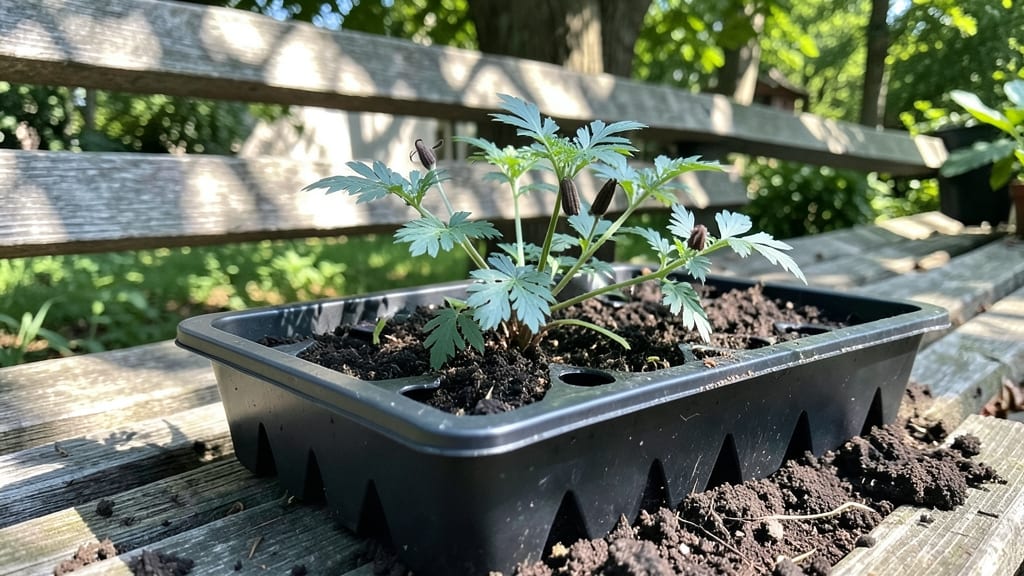
Growing a thriving Nigella damascena seedling starts with the right moisture balance—too dry and they bolt, too wet and they rot. 🌱 I’ve learned that these delicate seedlings need consistent dampness without soggy soil, and once they find their rhythm, they reward you with lace-like blooms that smell like a summer meadow.
The trick is keeping soil evenly moist but never waterlogged—think of a wrung-out sponge. You’ll need a well-draining mix (equal parts potting soil and perlite), a humidity dome or plastic wrap for the first two weeks, and a spray bottle to mist gently instead of pouring.
Overwatering is the fastest way to lose them, but letting the soil dry out completely stunts their growth.
By the time your seedlings hit 2 inches tall, they’ll be ready for their first true leaves, and that’s when they start craving more light. Move them to a sunny windowsill or under grow lights for 12-14 hours daily, and watch them develop that signature feathery foliage.
The blooms arrive later but are worth the wait—each stem holds delicate, fragrant flowers that last for weeks.
Once they’re hardened off, transplant them 12 inches apart in full sun, and you’ll have a self-sowing annual that keeps coming back year after year.
The key is patience—these seedlings grow slowly at first, but they repay it with effortless beauty and a scent that lingers in the air long after the blooms fade.
📚 In This Guide
- What you need
- Instructions
- Tips and common mistakes
- Wrapping up and next steps
What you need
- ● Seeds: 10–20 Nigella damascena seeds (organic, untreated preferred)
- ● Seedling trays or pots: 2–4 small pots (3–4 inches deep) or a seedling tray with drainage holes
- ● Potting mix: 1 bag (1–2 cubic feet) of well-draining, seed-starting mix (add perlite or vermiculite for aeration)
- ● Drainage layer: Small gravel, perlite, or coconut coir (1–2 inches per pot)
- ● Spray bottle: For gentle watering (avoid over-saturating seedlings)
- ○ Humidity dome or plastic wrap: To retain moisture during germination (optional but helpful)
- ● Grow lights or sunny windowsill: 6+ hours of indirect light daily (south-facing window or LED grow lights work best)
- ● Thermometer/hygrometer: To monitor soil moisture and temperature (55–75°F ideal)
- ● Fertilizer: Water-soluble, low-nitrogen fertilizer (diluted to half-strength for seedlings)
- ● Fungicide: Organic neem oil spray (prevents damping-off disease)
- ● Transplanting tools: Small hand trowel and biodegradable pots (for easy transplanting later)
- ● Label markers: To track planting dates and seed varieties
Step-by-Step instructions for growing nigella damascena seedlings
Here’s how to nurture delicate nigella seedlings into sturdy, fragrant plants with just the right touch of moisture.
🌱 Step 1: Start Seeds in Well-Draining Soil
Fill small pots with the sterile seed-starting mix and press it down lightly—just firm enough so it doesn’t collapse when you plant. Nigella seeds are tiny, so I use a toothpick to place 2-3 seeds per pot, about ¼ inch deep. Cover them with a thin layer of soil, then mist gently until the surface feels damp but not soggy.
Place the pots in a warm spot, ideally 65-75°F, and cover with a humidity dome or plastic wrap. This keeps moisture balanced while preventing mold. Germination takes 10-21 days, so patience is key—don’t disturb the soil until you see the first green sprouts.
💧 Step 2: Water Lightly and Keep Soil Moist (Not Wet)
Once seedlings emerge, remove the dome immediately to prevent damping-off. Water from the bottom by placing pots in ½ inch of water for 10 minutes, then drain excess. This method ensures roots stay moist without overwatering, which nigella hates.
Check soil moisture daily by pressing your finger ½ inch deep. If it feels dry, water again—but never let it stay soggy. Yellowing leaves mean you’re overwatering; crisp edges mean it’s too dry. Aim for soil that’s consistently damp, like a wrung-out sponge.
☀️ Step 3: Provide Bright, Indirect Light
Nigella seedlings need bright, indirect light to grow strong. Place them near a south-facing window or under a grow light for 12-14 hours daily. If leaves stretch toward the light (leggy growth), move the seedlings closer—within 6 inches of the light source.
Rotate pots a quarter turn every 3 days so they don’t lean. You’ll know they’re happy when new leaves appear deep green and compact, not pale or stretched. Avoid direct midday sun, which can scorch tender seedlings.
🌿 Step 4: Thin Seedlings for Stronger Growth
When seedlings reach 1-2 inches tall, thin to the strongest one per pot. Use scissors to snip weak stems at the base—this prevents disease from open wounds. Keep the remaining seedling well-spaced; nigella grows best with 6-8 inches between plants later on.
After thinning, water lightly to settle the soil around the remaining seedling. This step ensures your plant doesn’t compete for nutrients and grows sturdy enough to support its delicate blooms. Watch for new growth within 5-7 days—that’s your reward for patience!
Tips & tricks for perfect nigella damascena seedlings
A few simple tricks will help you avoid common pitfalls and grow robust nigella seedlings with fragrant blooms.
The Germination Secret: Those 10-21 days of germination can feel like forever, but there's a trick to speed things up slightly. After planting your seeds in Step 1, place the pots in a sealed plastic bag with a few drops of water—this creates a mini greenhouse effect. Check daily for condensation, and remove the bag once you see sprouts. This method can sometimes bring germination down to the lower end of that range while keeping soil perfectly moist.
Soil Moisture Mastery: In Step 2, when you're checking soil moisture by pressing your finger ½ inch deep, I've found that nigella actually prefers soil that's slightly on the drier side of "damp." If you're unsure, do the "squeeze test"—gently squeeze a handful of soil. It should hold together but crumble when you open your hand. This balance prevents the dreaded yellowing leaves while keeping roots happy.
Lighting Strategy: The 12-14 hours of light in Step 3 is crucial, but here's what nobody tells you—if you're using a grow light, place it just 4-5 inches above the seedlings instead of the full 6 inches. This extra intensity helps compensate for any light loss through your container walls. Just monitor closely to avoid leaf burn, which shows as crispy brown edges.
Thinning Technique: When you reach Step 4 and it's time to thin, use a pair of clean, sharp scissors to cut stems at the soil line rather than pulling. This prevents disturbing the remaining seedling's roots. I also recommend thinning on a cloudy day—the reduced light stress helps your plant recover faster from the shock of being thinned.
Pro Tips for Nigella Damascena Seedling
- A few simple tricks will help you avoid common pitfalls and grow robust nigella seedlings with fragrant blooms.
- The Germination Secret: Those 10-21 days of germination can feel like forever, but there's a trick to speed things up...
- Soil Moisture Mastery: In Step 2, when you're checking soil moisture by pressing your finger ½ inch deep, I've found ...
Frequently asked questions
Got questions about nurturing your Nigella damascena seedlings? You’re not alone! Here are some of the most common concerns—plus straightforward answers to keep your fragrant blooms thriving.
How often should I water my Nigella damascena seedlings?
Keep the soil consistently moist but not soggy—water lightly every 2–3 days, ensuring the top inch of soil stays damp. Once seedlings sprout, reduce frequency to every 5–7 days, letting the soil dry slightly between waterings. Overwatering can cause root rot, so less is more!
How long does it take for Nigella damascena seedlings to germinate?
Germination usually takes 10–21 days at 60–70°F (15–21°C). For faster results, soak seeds overnight before planting and maintain warm, humid conditions. Patience is key—some seeds may take up to 30 days, especially in cooler climates.
What if my seedlings look leggy or weak?
Leggy seedlings often mean too little light. Move them to a sunny windowsill or under grow lights (12–14 hours/day). If overcrowded, thin seedlings to 6–12 inches apart. Avoid fertilizing until after true leaves appear—weak seedlings need light, not nutrients first!
Can I grow Nigella damascena indoors?
Yes! Place seedlings near a south-facing window or under LED grow lights. Use a small pot (6+ inches deep) with well-draining soil. Expect smaller blooms indoors, but they’ll still reward you with delicate, fragrant flowers. Rotate pots weekly for even growth.
What’s the best alternative if my seeds won’t sprout?
Try stratification: Place dry seeds in a damp paper towel, seal in a bag, and refrigerate for 2–4 weeks before planting. If that fails, opt for transplants from a nursery—just ensure they’re labeled Nigella damascena (some varieties, like ‘Miss Jekyll,’ are easier to grow).
Wrapping up and next steps
Growing Nigella damascena seedlings into fragrant, thriving blooms is all about finding that perfect balance—especially when it comes to moisture! 🌱 By mastering the right watering techniques, you’ll unlock lush foliage and stunning flowers that’ll make your garden smell like a dream.
Remember, consistency and observation are your best friends, so don’t hesitate to adjust as your seedlings grow.
Ready to take the next step? Start small—plant a few seedlings and experiment with the tips you’ve learned. Soon, you’ll have a garden bursting with love-in-a-mist beauty, and you’ll be the proud gardener sharing your secrets with friends! 🌸