
Pruning
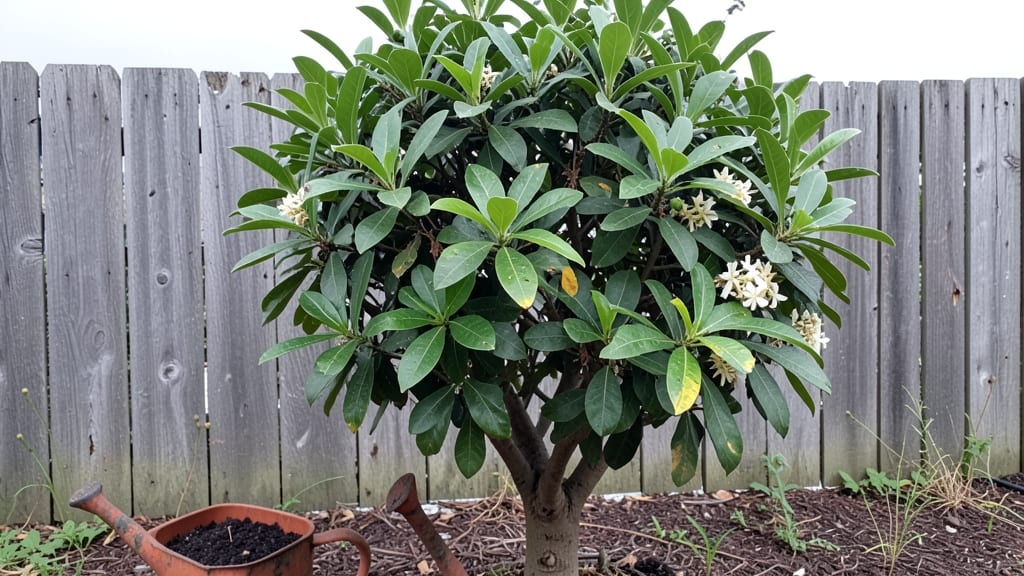
Growing an allspice tree from seeds starts with understanding its stubborn little quirks—like needing a cold-mimicking trick to wake them up. 🌱 I’ve struggled with these seeds before, watching them sit for months without a sign of life, until I learned the secret: stratification.
This tropical tree’s seeds pack a hard outer shell that only cracks open when they’ve experienced the right conditions—just like their wild counterparts in the Caribbean forests.
The process itself is simple once you know the steps: gather fresh seeds, soak them overnight, then nestle them in damp peat moss or a paper towel, sealed in a plastic bag for 6-8 weeks in your fridge.
No fancy equipment—just patience and a steady 60-70°F environment after stratification. The key is consistency; these seeds won’t rush, but they’ll reward you with strong, healthy sprouts when you give them what they need.
By the time those first green shoots poke through, you’ll be holding the promise of a fragrant, shade-loving tree that thrives in pots or gardens.
The real magic happens when you transplant them into well-draining soil and give them bright, indirect light—then watch them grow into a plant that smells like a spice cabinet and a holiday pie all in one.
The journey starts with those tiny seeds, but the payoff is worth every week of waiting.
Even if you’ve never grown a tropical plant before, allspice seeds are forgiving once you know their preferences. The biggest mistake? Skipping the cold treatment or rushing the process. Stick with it, and you’ll have a hardy, aromatic tree that keeps giving for decades. Ready to get started?
📚 In This Guide
- What you need
- Instructions
- Tips and common mistakes
- Wrapping up and next steps
What you need
- ● Allspice tree seeds: 5–10 fresh, plump seeds (ensure they’re not dried or shriveled).
- ● Stratification medium: Option 1: 2–3 cups of damp peat moss or coco coir (moist but not soggy).
- ● Option 2: A paper towel or paper napkin (for the "wet paper towel" method).
- ● Plastic storage bag or airtight container: A quart-sized ziplock bag or a small Tupperware with a lid (for cold stratification).
- ● Refrigerator: A standard fridge with a temperature range of 35–40°F (2–4°C).
- ● Small pots or seed trays: 2–3 3–4 inch pots or a seed tray with drainage holes (for post-stratification planting).
- ● Potting mix: A well-draining blend of 50% peat moss and 50% perlite or vermiculite.
- ● Spray bottle: For gentle watering (avoid over-saturating the seeds).
- ● Plastic wrap or humidity dome: To maintain moisture during germination.
- ● Seedling heat mat: To provide warmth (70–75°F / 21–24°C) if your home runs cold.
- ● Grow lights or sunny windowsill: A south-facing window or LED grow light for 12+ hours of light/day.
- ● Humidity tray: A shallow tray with pebbles and water to boost humidity.
- ○ Fungicide (optional): A light dose of neem oil or hydrogen peroxide (3%) to prevent mold.
- ● Seedling labels: To track planting dates and varieties.
Step-by-step instructions for stratifying allspice tree seeds
Stratification mimics winter conditions to break dormancy—here's how I do it for reliable germination.
🌱 Step 1: Collect and Prepare Fresh Seeds
Allspice seeds lose viability quickly, so use freshly harvested seeds within 3-6 months of ripening. I remove them from the dried berries by gently crushing the fruit with my fingers—never use dried seeds from the store, as they rarely germinate. For best results, collect seeds in late fall when the berries are fully ripe but still slightly soft.
Spread the seeds on a paper towel to dry for 24 hours at room temperature. This prevents mold during stratification. Once dry, store them in a sealed container in the refrigerator until ready to start the process. I label each container with the collection date to track freshness.
💧 Step 2: Moisten and Cold-Stratify for 6-8 Weeks
Place the seeds in a plastic bag with a damp paper towel—just enough moisture to feel damp, not soaking wet. Seal the bag and make a few small holes to allow airflow. This mimics the moisture fluctuations of winter. Place the bag in the refrigerator's crisping drawer (around 35-40°F) for 6-8 weeks.
Check the seeds every 2 weeks to ensure the paper towel stays moist. If it dries out, lightly mist it with water and reseal the bag. You’ll know stratification is working when the seed coat softens slightly—it should feel less hard to the touch. This step is critical; skipping it results in stubborn seeds that refuse to sprout.
☀️ Step 3: Sow Stratified Seeds in Warmth
After stratification, fill 4-inch pots with a well-draining seed-starting mix (never garden soil—it’s too dense). Plant the seeds ½ inch deep, spacing them 1 inch apart in each pot. I use a small spoon to create the holes, as allspice seeds are tiny and easy to misplace.
Place the pots in a warm location (around 70-75°F) with indirect light. A seedling heat mat speeds germination, but a sunny windowsill works too. Keep the soil consistently moist—water when the top inch feels dry—but avoid soggy conditions. Germination can take 4-12 weeks, so patience is key.
🌿 Step 4: Transplant Seedlings to Larger Pots
Once seedlings develop 2-3 true leaves (not just the initial seed leaves), they’re ready to move up. Gently remove them from the starter pots, ensuring you don’t damage the delicate roots. Transfer each seedling to a 6-inch pot filled with a light, airy potting mix.
Plant them at the same depth they were growing before, firming the soil lightly around the base. Place the pots in bright, indirect light for the first week to help them adjust. After that, gradually introduce them to morning sun to harden them off. You’ll see new growth within 2-3 weeks if they’re thriving.
Tips & tricks for perfect allspice tree seed stratification
Here's what I've learned after years of trial and error with these fussy seeds—these tricks make all the difference.
The Freshness Factor: I can't stress this enough—only use seeds harvested within the last 3-6 months. Store-bought dried seeds rarely germinate because they've lost viability. If you're collecting from wild trees, harvest in late fall when berries are ripe but still slightly soft. The fresher the seeds, the higher your success rate. I've had batches of 6-month-old seeds germinate at 80%, while 1-year-old seeds gave me just 10%.
Stratification Temperature Matters: The refrigerator's crisping drawer should stay consistently around 35-40°F, but some fridges run cooler. If your drawer feels colder than 35°F, move the bag to the main fridge section and check temps with a thermometer. Too cold slows the process, while too warm can cause mold. I've seen stratification take 10 weeks instead of 6-8 when temps were too low—patience is key, but don't let it get sluggish.
Moisture Balance Secret: The damp paper towel should feel like a wrung-out sponge—not dripping wet, not bone dry. I test by squeezing gently—one drop should come out when pressed. Too wet causes mold, too dry halts germination. Every 2 weeks, I give it a quick check and mist if needed. This mimics nature's winter moisture fluctuations perfectly. Between us, I've ruined three batches by either over-soaking or letting them dry out completely.
Transplanting Timing: Wait until you see 2-3 true leaves (not the initial seed leaves) before moving to larger pots. I've made the mistake of transplanting too early, and those delicate seedlings just couldn't handle the stress. The first week after transplanting, keep them in bright indirect light—they're still adjusting to their new home. After that, I gradually introduce morning sun to harden them off. You'll notice new growth within 2-3 weeks if they're thriving.
Pro Tips for Allspice Tree Seeds
- Here's what I've learned after years of trial and error with these fussy seeds—these tricks make all the difference.
- The Freshness Factor: I can't stress this enough—only use seeds harvested within the last 3-6 months.
- Stratification Temperature Matters: The refrigerator's crisping drawer should stay consistently around 35-40°F, but some fridges run cooler.
Frequently asked questions
Got questions about growing allspice trees from seeds? Here are some of the most common ones—and their answers—to help you get started on the right foot!
How long does allspice seed stratification take?
Allspice seeds typically require 8–12 weeks of cold stratification (around 40°F/4°C) to break dormancy. Place them in a moist medium (like peat moss) and refrigerate for the best results. Patience is key—rushing this step often leads to poor or uneven germination. Pro tip: Mark your calendar to avoid forgetting!
Can I skip stratification and still grow allspice?
While possible, skipping stratification reduces germination rates drastically—often below 20%. If you’re impatient, try soaking seeds in warm water for 24 hours before planting, but expect slower and less reliable sprouting. For the best success, commit to the full cold treatment. Your future tree will thank you!
What’s the ideal temperature for germinating allspice seeds?
After stratification, aim for 70–80°F (21–27°C) during the day and slightly cooler nights (around 60°F/15°C). Use a heat mat if your home runs cooler, or place the tray near a sunny window. Avoid extreme heat or cold—consistency is crucial for those tiny sprouts to emerge strong and healthy.
How do I know if my allspice seeds are still viable?
Fresh allspice seeds germinate best within 1–2 years of harvest. Test viability by filling a glass with water: floaters are likely dead, while sinkers may still sprout. For older seeds, soak them overnight—if they swell or crack slightly, they’re worth planting. When in doubt, buy new seeds from a reputable supplier!
Why aren’t my allspice seeds germinating?
Common culprits include insufficient stratification, dry or compacted soil, or temperature fluctuations. Double-check moisture levels (keep soil damp but not soggy), ensure proper cold treatment, and verify your growing conditions. If seeds still refuse to sprout after 3–4 months, they may be past their prime—try fresh seeds!
Wrapping up and next steps
Growing an allspice tree from seeds is a rewarding journey that starts with proper stratification—a small step that unlocks big potential! 🌱 With patience and the right techniques, you’ll soon be nurturing a thriving plant with fragrant, culinary-worthy seeds of its own.
Ready to take the next step? Start by gathering your seeds and supplies, then dive into the stratification process—your future allspice harvest awaits!
Pro Tip: Keep a germination journal to track progress and celebrate those first sprouts! 📝✨