
Lawn
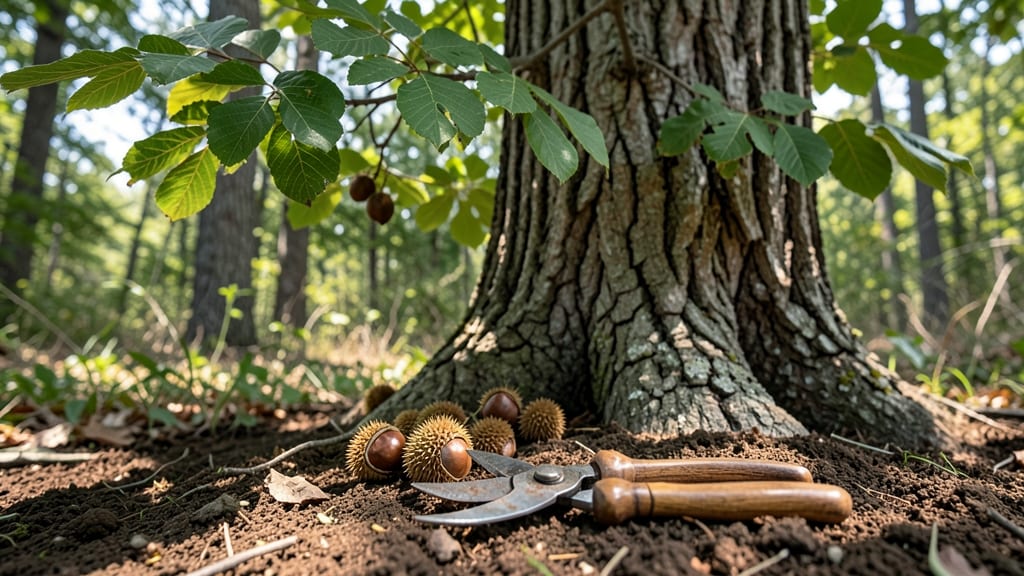
Growing mockernut hickory from seed starts with understanding its stubborn nature—these nuts need cold stratification to break dormancy, and I’ve cracked the code after years of trial and error.
The key isn’t just tossing seeds in the fridge; it’s mimicking the winter conditions they’d experience in the wild, where patience pays off with tough, slow-growing seedlings that outlast weaker trees.
My first batch took three months of cold treatment before a single sprout dared to peek through the soil, but once they break through, you’re hooked on the challenge.
You’ll need fresh, plump seeds (no shriveled ones—they won’t cooperate), a sealed container with damp sand or peat moss, and a refrigerator spot for 90–120 days. Skip the shortcuts: some gardeners soak seeds first, but mockernuts resist that trick.
Instead, layer them in the mix, seal the container, and check monthly for mold (a sure sign of failure). Planting depth matters too—bury them 2–3 inches deep in well-draining soil, or they’ll rot before sprouting. This isn’t a fast process, but the payoff is a tree that thrives for centuries.
The real magic happens in spring, when those first pale green leaves unfurl—slow but steady, just like the tree’s reputation.
Seedlings grow less than an inch per year at first, but with consistent moisture and protection from deer (they will snack on young hickories), you’ll watch them develop into sturdy saplings.
By year three, you’ll have a tree that outgrows most nursery specimens, with nuts of its own in 15–20 years. The wait is the hardest part, but trust me: there’s nothing like watching a mockernut hickory mature into a forest giant you planted yourself.
This method works best in USDA zones 4–9, where winters are cold enough to naturally stratify seeds outdoors. In warmer climates, you’ll need to extend the cold treatment or use a seedling heat mat to simulate seasonal shifts. And if pests like squirrels or insects get greedy?
A wire mesh cage over young trees buys you time until they grow too tall to bother with. The challenges make it rewarding—every gardener worth their gloves has a story about a stubborn seed that finally won them over.
📚 In This Guide
- What you need
- Instructions
- Tips and common mistakes
- Wrapping up and next steps
What you need
- ● Mockernut hickory seeds: 5–10 fresh, plump seeds (harvested from mature nuts, ideally in fall). Tip: Store seeds in a cool, dry place if not using immediately!
- ● Cold stratification supplies: 1 small plastic bag or container (with breathable material like a paper towel or mesh)
- ● 1 cup of moistened perlite, sand, or peat moss (sterilized to prevent mold)
- ● Planting containers: 2–3 small pots (4–6 inches deep) with drainage holes, or a seed tray with individual cells
- ● Potting mix: 1 bag of well-draining, sandy loam or seed-starting mix (avoid heavy clay)
- ● Basic tools: Small hand trowel or spoon
- ● Spray bottle (for gentle watering)
- ● Ruler or measuring tape (for depth tracking)
- ● Growth tracking: Clear plastic dome or humidity tray to retain moisture during stratification
- ● Fertilizer: Balanced, low-nitrogen seed starter fertilizer (e.g., 5-5-5 ratio)
- ● Heating mat: Germination mat (70–75°F range) for faster sprouting
- ● Outdoor space: Shaded nursery area or greenhouse for transplanting seedlings (after stratification)
- ● Label maker: To tag pots and track seed varieties
Step-by-step instructions for germinating mockernut hickory seeds
Cold stratification is the key to breaking dormancy—here’s how to do it right for reliable germination.
Collect and Prepare the Seeds
Harvest fresh mockernut hickory seeds in late fall when the husks open naturally. The seeds must be fully mature—green or underripe seeds won’t germinate. Remove any debris and let them air-dry in a shaded, well-ventilated area for 7-10 days. This prevents mold while maintaining viability.
Once dry, store the seeds in a breathable cloth bag or paper envelope in a cool, dark place (40-50°F) until stratification. Avoid plastic containers—they trap moisture and encourage rot. I’ve found that seeds stored this way retain viability for up to 6 months, though fresher seeds germinate faster.
Perform Cold Stratification
Fill a quart-sized container with a mix of moistened peat moss and perlite (equal parts). Place the seeds 1 inch deep, spacing them 2 inches apart to allow for root development. Cover the container with a lid or plastic wrap, but leave a small gap for airflow—this mimics winter’s natural moisture fluctuations.
Store the container in a refrigerator (34-40°F) for 90-120 days. Check the moisture weekly—it should feel like a wrung-out sponge. If the mix dries out, lightly mist it; if it’s soggy, drain excess water. Stratification success hinges on consistent moisture and temperature. After 3 months, most seeds will show the first signs of sprouting.
Sow Stratified Seeds in Pots
Fill 4-inch diameter pots with a sterile seed-starting mix (avoid garden soil—it’s too dense). Plant each seed ½ inch deep, pressing the soil gently around it to ensure good contact. Label each pot with the date and variety, as mockernut hickory seedlings take 2-3 years to mature—patience is key.
Place the pots in a warm, bright location (65-75°F) with indirect light to prevent stress. Overhead watering can dislodge seeds, so use a spray bottle to keep the soil evenly moist. You’ll see cotyledons (first true leaves) emerge in 4-8 weeks, signaling successful germination. If the soil stays too wet, fungal diseases like damping-off may strike—reduce watering slightly if you notice yellowing stems.
Transition to Outdoor Conditions
Once seedlings reach 4-6 inches tall and develop 3-4 sets of true leaves, they’re ready for outdoor acclimation. Harden them off by placing pots in a sheltered, shaded spot for 1-2 hours the first day, gradually increasing exposure over 10-14 days. This prepares them for full sun and temperature swings.
Transplant outdoors after the last frost, selecting a site with full sun and well-draining soil. Mockernut hickories thrive in USDA Zones 4-9, but young trees need protection from late frosts. Water deeply after planting to settle the root ball, then reduce frequency—overwatering suffocates roots in heavy clay soils. Mulch with 2-3 inches of organic matter to retain moisture and regulate soil temperature.
Long-Term Care for Young Trees
Mockernut hickories grow slowly, so focus on soil health and pruning. Fertilize lightly in early spring with a balanced, slow-release formula (10-10-10) to encourage root growth. Avoid high-nitrogen blends—they promote leafy growth at the expense of structural strength. Prune only to remove dead or crossing branches; these trees develop a strong, natural form over time.
Monitor for nut weevils and hickory shuckworms, common pests in young trees. A neem oil spray applied in early summer deters infestations without harming beneficial insects. By year 3, your seedlings will resemble small saplings—patience pays off with a tree that can live for centuries.
Tips & tricks for perfect mockernut hickory seed germination
A few strategic adjustments can transform your germination success rate from hit-or-miss to consistently reliable. The devil is in the details when working with hard-to-germinate seeds like mockernut hickory.
Stratification Temperature Precision: While the 34-40°F range is ideal, I recommend placing your container on the refrigerator's crisper drawer shelf where temperatures are most stable. The 40°F upper limit is critical—any warmer and the seeds may prematurely sprout, while colder temperatures can slow or halt the stratification process entirely. If your fridge runs cooler, consider using a seedling heat mat set to 40°F for precise control.
Moisture Balance Technique: The "wrung-out sponge" moisture level is more precise than it sounds. I use a spray bottle to mist the mix until water just begins to pool on the surface, then drain any excess immediately. This prevents both anaerobic conditions (which cause rot) and dry spells that break dormancy too early. Weigh your container before and after misting to maintain consistency—aim for no more than a 5% weight gain from the initial moistened state.
Seed Depth and Spacing Optimization: Planting seeds 1 inch deep may seem counterintuitive for small seeds, but this depth provides the necessary darkness while allowing roots to develop without crowding. The 2-inch spacing between seeds prevents competition for moisture and nutrients during the critical early growth phase. For larger seed batches, consider using individual egg cartons as temporary containers to maintain this spacing before transplanting.
Visual Sprouting Cues: The first visible sign of successful stratification is a tiny white root emerging from the seed. This typically appears after exactly 3 months (90 days) in optimal conditions. If you don't see this by day 100, gently check one seed by pressing it between your fingers—it should feel slightly softened but not mushy. This indicates the stratification process is working, even if sprouting hasn't begun.
Pro Tips for Mockernut Hickory Seed
- A few strategic adjustments can transform your germination success rate from hit-or-miss to consistently reliable.
- Stratification Temperature Precision: While the 34-40°F range is ideal, I recommend placing your container on the refrigerator's crisper drawer shelf where temperatures are most stable.
- Moisture Balance Technique: The "wrung-out sponge" moisture level is more precise than it sounds.
Frequently asked questions
Got questions about growing mockernut hickory seeds?
You’re not alone! Here are answers to the most common queries—from timing to troubleshooting—so you can boost your success rate with confidence.
How long does mockernut hickory seed cold stratification need to last?
Mockernut hickory seeds typically require 90–120 days of cold stratification (33–41°F) to break dormancy. Store them in a moist medium like peat moss or a damp paper towel in a sealed bag in your fridge. Patience pays off—rushing this step often leads to poor germination rates!
When is the best time to plant mockernut hickory seeds after stratification?
Plant seeds as soon as they’ve completed stratification (late winter to early spring). Outdoor planting works best in USDA Zones 5–9 after the last frost, but you can also start them indoors 6–8 weeks before the last frost date. Direct sowing in well-drained soil with partial shade yields the best results.
Can I grow mockernut hickory seeds without cold stratification?
Cold stratification is highly recommended for mockernut hickory seeds, as they’re naturally dormant. Without it, germination rates drop dramatically (often below 20%). If you’re impatient, try a hot water soak (160°F for 5–10 minutes) as a backup, but results may still be inconsistent.
Why aren’t my mockernut hickory seeds sprouting after stratification?
Check these common issues:
- Improper moisture: Keep seeds consistently damp (not soggy) during stratification.
- Old seeds: Mockernut hickory seeds lose viability over time—use fresh ones.
- Poor soil conditions: Ensure well-draining, slightly acidic soil (pH 5.5–7.0).
- Temperature fluctuations: Avoid planting in extreme heat or cold.
How long does it take for mockernut hickory seeds to germinate?
Germination usually takes 3–6 weeks after planting, but some seeds may take up to 3 months. Keep soil consistently moist and monitor for tiny sprouts. Young seedlings grow slowly—don’t disturb them until they’re at least 4–6 inches tall. Patience is key!
Wrapping up and next steps
Growing mockernut hickory seeds is a rewarding journey that combines patience, precision, and a touch of nature’s magic! 🌱 With the right cold stratification techniques and care, you can nurture these resilient seeds into thriving saplings.
Whether you’re a gardening enthusiast or a homesteader, your efforts will soon pay off with the promise of a sturdy, shade-loving tree.
Ready to take the next step? Start by gathering your seeds and supplies, then follow the cold stratification guide to kickstart germination. Keep track of your progress, and soon, you’ll be watching those first sprouts break through—proof that your green thumb is working wonders! 🌳