How To
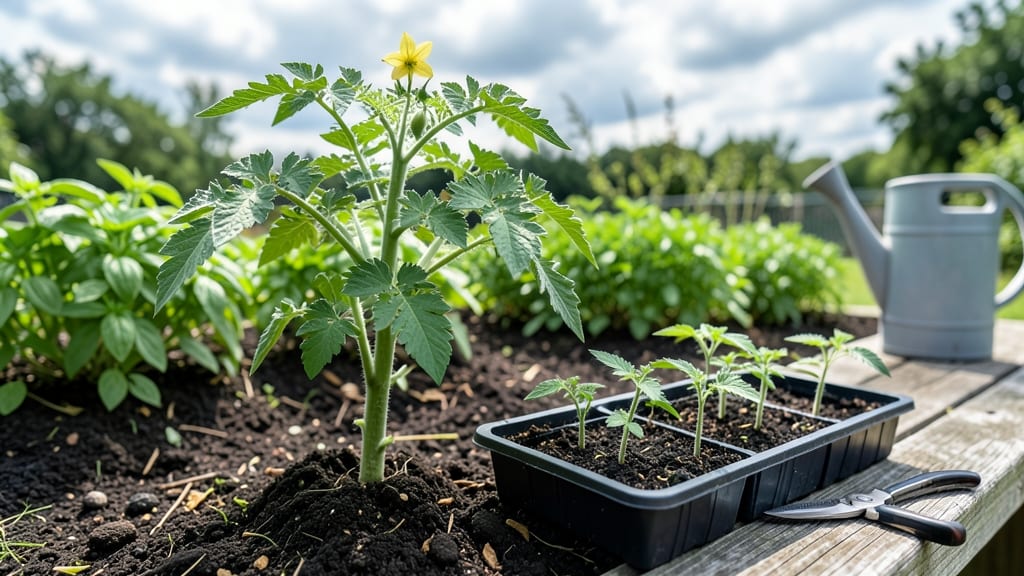
The perfect tomato seed depth is the difference between a thriving 🍅 harvest and a sad pile of unused seeds.
Struggling with inconsistent tomato germination? The secret often lies beneath the surface—in how deep you plant those seeds. Get it wrong, and you risk weak seedlings or no growth at all. Get it right, and you’ll set the stage for a thriving garden.
Most gardeners assume "deep enough" means burying seeds an inch down, but the truth is more nuanced. Soil type, seed size, and even your local climate play a role in finding that ideal depth. Too shallow, and seeds dry out; too deep, and they’ll never break through the soil.
In this guide, I’ll break down the science behind tomato seed depth, share the exact measurements for different seed types, and reveal the common mistakes that kill germination before it starts.
Optimal tomato seed depth by seed type and soil conditions
Getting the tomato seed depth right is one of the most overlooked steps in growing strong, healthy plants.
Most gardeners assume "deep enough" means success, but the truth is more nuanced. Seed size, soil type, and even moisture retention all play critical roles in determining the perfect planting depth.
For example, a cherry tomato seed needs different treatment than a heirloom beefsteak seed—what works for one can fail for the other.
I’ve learned through trial and error that planting tomato seeds too shallow risks drying them out before germination, while planting too deep can smother them, leaving you with weak or no seedlings. The key is balancing oxygen access with moisture retention.
Most gardeners aim for a 1/4-inch depth as a baseline, but adjustments are needed based on your specific conditions. Let’s break down the science and practical tips to ensure your seeds sprout reliably every time.
🌱
Understanding your soil type is crucial because it directly impacts how much moisture your seeds receive. Sandy soil drains quickly, so you’ll want to plant seeds shallower (1/8 inch) to prevent them from drying out before sprouting. In contrast, clay soil holds moisture longer, allowing you to plant seeds a
Common mistakes that kill tomato seedlings (and how to fix them)
Even the most experienced gardeners sometimes struggle with tomato seedlings failing to thrive. The culprit? Planting them at the wrong depth. When seeds are buried too shallow, they dry out before sprouting.
Too deep, and they suffocate, never breaking through the soil. I’ve learned the hard way that precision matters—especially when dealing with tomato seed depth.
Leggy seedlings or sudden rot are classic red flags. These signs often point to improper planting techniques. The good news? Most issues are fixable with the right adjustments.
Start by using a simple ruler or seedling tray with marked depth lines to ensure consistency. Even a 1/8-inch difference can make all the difference in germination rates.
⚠️ Critical Depth Warning
Tomato seeds need 1/4 inch of soil coverage for ideal germination. Planting too shallow (1/8 inch) causes seeds to dry out, while burying them deeper (1/2 inch) traps moisture, leading to rot. Use a seedling tray with depth markers or a ruler to verify placement every time.
Over-planting is another silent killer. Crowded seedlings compete for nutrients, leading to weak stems and poor air circulation. Thin them early—when they’re about 2 inches tall—to give each plant room to grow.
I once lost an entire batch because I waited too long to thin, and the seedlings became tangled and diseased.
Soil moisture plays a hidden role too. Sandy soil dries out faster, so you’ll need to plant slightly deeper to retain moisture. In clay-heavy soil, seeds may suffocate if buried too deep.
Always adjust your tomato seed depth based on your soil type. A quick finger test—press the soil gently—can tell you if it’s holding moisture correctly.
If you’ve already planted too deep, don’t panic. Gently dig up the seedlings and replant them at the correct 1/4-inch depth. Use a small spoon or your finger to create a shallow trench.
Keep the soil moist but not soggy for the first week to encourage recovery. Patience here pays off—healthy roots will form quickly if conditions are right.
For future plantings, invest in a seedling depth gauge (a simple ruler works). Mark your trays with permanent ink to avoid guesswork. And remember: consistency is key.
Whether you’re starting seeds indoors or direct-sowing, stick to the 1/4-inch rule every time. Your tomatoes will thank you with stronger stems, better yields, and fewer surprises.