
Lawn
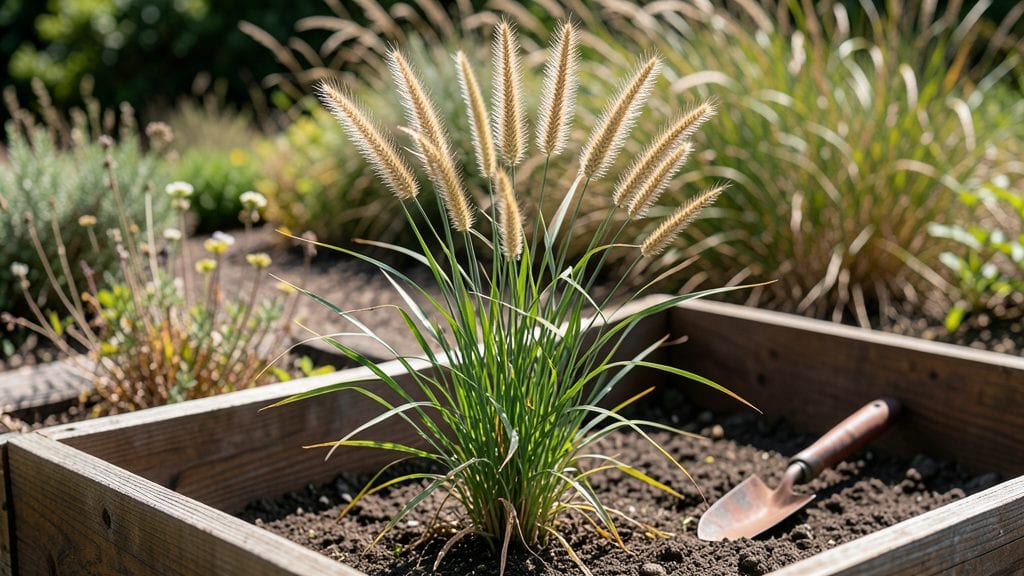
Millet seed heads transform any landscape with their feathery plumes and golden hues—fast-growing and impossible to ignore once they catch the light. 🌻 I’ve watched these grasses go from tiny seeds to dramatic focal points in just 90 days, and the best part?
They thrive where other ornamentals fail. The secret lies in their low-maintenance nature: they tolerate poor soil, drought, and even urban heat, making them the perfect choice for textured gardens that need less fuss and more drama.
Start with varieties like Japanese millet or plume millet, which produce the showiest seed heads. Plant them in full sun after the last frost, spacing clumps 12–18 inches apart for that airy, natural look.
Water lightly the first few weeks—just enough to keep the soil damp—but once established, they’ll barely need a drink. The real magic happens in late summer when those feathery plumes burst open, swaying in the breeze like nature’s own confetti.
By late August or early September, you’ll spot the seed heads reaching their peak—tall, architectural, and ready to be admired. Harvest them at this stage for dried arrangements, or leave them in the garden for winter interest.
The texture contrasts beautifully with evergreens and adds movement to still landscapes. Plus, they’re deer-resistant, so you won’t lose them to hungry critters.
Whether you’re filling a large border, adding height to a container, or creating a cutting garden, millet seed heads deliver instant impact with minimal effort. They’re the ultimate fast-track to a textured, low-stress garden that looks good from spring through winter. Ready to grow yours?
📚 In This Guide
- What you need
- Instructions
- Tips and common mistakes
- Wrapping up and next steps
What you need
- ● Millet seed heads: Choose from varieties like Pennisetum (fountain grass), Panicum (switchgrass), or Miscanthus (maiden grass). Buy 1–3 plants per 3–5 sq ft for full coverage.
- ○ Well-draining soil: Mix 1 part native soil with 1 part compost (optional: add perlite for rocky areas). Aim for a pH of 6.0–7.5.
- ● Organic mulch: 2–3 inches of shredded bark or straw to retain moisture and suppress weeds.
- ● Garden gloves (to protect hands from sharp seed heads).
- ● Trowel or spade (for planting; 6–12 inches deep for roots).
- ● Watering can or hose with a gentle spray nozzle (avoid blasting seed heads).
- ● Pruners (for trimming dead foliage in late winter).
- ● Sunlight: Full sun (6+ hours/day)—millet thrives in hot, dry conditions!
- ● Drought tolerance: Water deeply 1–2x/week for the first month, then minimal watering afterward.
- ○ Spacer (optional): Use 3-inch stakes to mark planting spots if spacing is tricky.
Step-by-Step instructions for growing millet seed heads in your landscape
Here's how to cultivate these fast-growing, drought-tolerant grasses for stunning texture and movement in your garden.
🌱 Step 1: Choose the Right Variety and Planting Location
Millet thrives in full sun with well-draining soil—select a spot that gets at least 6-8 hours of direct sunlight daily. I recommend Japanese millet (Miscanthus sinensis) or Chinese silvergrass (Miscanthus sacchariflorus) for their dramatic plumes and cold hardiness. Avoid low-lying areas where water pools, as millet roots rot quickly in soggy conditions.
If your soil is heavy clay, mix in 2-3 inches of coarse sand or compost to improve drainage. Millet tolerates poor soil better than most ornamental grasses, but it rewards you with taller, fuller growth when given a nutrient boost. Test your soil pH—millet prefers neutral to slightly alkaline (6.5-7.5). If yours is acidic, amend with wood ash before planting.
🪴 Step 2: Prepare Soil and Plant at the Right Time
Work the 3-4 inches of topsoil to a loose, crumbly texture using a garden fork or tiller. Millet seeds germinate fastest in warm soil (65-75°F), so plant after your last frost date when nighttime temperatures stay above 50°F. For 4 plants, space them 18-24 inches apart in rows 2-3 feet apart to allow airflow and prevent fungal diseases.
Dig holes twice as wide as the root ball but no deeper—planting too deeply suffocates the crown and causes rot. Gently remove each plant from its container, tease the roots outward, and place it in the hole so the top of the root ball sits level with the soil surface. This ensures the plant establishes quickly and avoids stem rot later.
☀️ Step 3: Water Deeply and Establish a Maintenance Routine
Water deeply once a week for the first 4-6 weeks to encourage deep root growth. You’ll know you’ve watered enough when the soil feels moist 3 inches down—stick your finger in to check. Overwatering is the fastest way to kill millet; these grasses are drought-tolerant once established, so let the top 1-2 inches of soil dry out between waterings after the initial phase.
Apply a slow-release granular fertilizer (10-10-10) at planting and again in early summer to fuel rapid growth. Avoid high-nitrogen fertilizers—they promote leafy growth at the expense of those show-stopping seed heads. Mulch with 2-3 inches of shredded bark to retain moisture, suppress weeds, and regulate soil temperature.
✂️ Step 4: Prune and Prepare for Winter
In late winter or early spring, cut back the previous year’s growth to 2-3 inches above the ground with clean, sharp pruners. This encourages fresh, vigorous growth and prevents pests from overwintering in dead stalks. Wear gloves—millet seed heads can be sharp and abrasive when dry! You’ll see new shoots emerge within 2-3 weeks of pruning, signaling it’s time to resume regular care.
Skip fertilizing in the fall—millet goes dormant naturally and doesn’t need winter feeding. If your climate drops below 10°F, add a 2-inch layer of straw mulch for extra insulation. Most millet varieties are hardy to USDA Zone 5, but tender varieties like Miscanthus ‘Malepartus’ benefit from winter protection in colder regions.
🌿 Step 5: Harvest and Enjoy Year-Round Interest
Leave seed heads on the plant until they turn golden-brown in late summer or early fall—they’re the star of the show! You’ll know they’re ready to harvest when they feel dry and papery to the touch. Cut stalks with 4-6 inches of stem and hang them upside down in a dry, airy place to preserve their shape. These make incredible dried arrangements that last for months.
For a fast, low-maintenance landscape feature, millet delivers year-round texture: lush green foliage in spring/summer, fiery autumn hues, and winter interest from the dried seed heads. Group plants in odd-numbered clusters (3, 5, or 7) for a natural, balanced look. Watch how they sway in the breeze—that movement is what makes millet so dynamic in any garden setting!
Tips & tricks for perfect millet seed head growth
Fast-growing millet seed heads transform any landscape with minimal effort—here’s how to maximize their potential while avoiding common pitfalls.
Soil Temperature is Everything: Millet seeds need soil at 65-75°F to germinate quickly. If your spring is cool, consider using a black plastic mulch to warm the soil faster—this can shave 1-2 weeks off germination time. I’ve seen millet pop up in just 5-7 days when soil temps hit that sweet spot!
Planting Depth Matters More Than You Think: In Step 2, when planting your 4 plants, resist the urge to bury them deeply. The top of the root ball should sit level with the soil surface—any deeper and you risk suffocating the crown. I learned this the hard way when my first batch of millet struggled to establish after planting too deeply.
Watering Wisdom for Fast Establishment: Those first 4-6 weeks are critical for root development. Instead of watering lightly every day, give your millet a deep soak once a week until water runs out the bottom of the hole. This encourages roots to grow downward where they’ll find moisture naturally once established.
Fertilizer Timing is Key: Apply that 10-10-10 slow-release fertilizer at planting and again in early summer—never in fall. The second application in summer fuels those show-stopping seed heads. I’ve noticed millet with fall fertilization produces more foliage but fewer dramatic plumes, which is the whole point!
Pro Tips for Millet Seed Head
- Fast-growing millet seed heads transform any landscape with minimal effort—here’s how to maximize their potential while avoiding common pitfalls.
- Soil Temperature is Everything: Millet seeds need soil at 65-75°F to germinate quickly.
- Planting Depth Matters More Than You Think: In Step 2, when planting your 4 plants, resist the urge to bury them deeply.
Frequently asked questions
Got questions about growing millet seed heads? You’re not alone! Here are some of the most common queries—plus quick answers to help you get started with confidence.
When is the best time to plant millet seed heads for maximum texture?
Plant millet seed heads in early spring (after the last frost) or late summer (6-8 weeks before the first frost). For ornamental varieties, sow seeds directly in the ground where they’ll thrive, as they dislike transplanting. Give them full sun (6+ hours/day) and well-draining soil for the best texture and structure.
How long does it take for millet seed heads to germinate and mature?
Germination usually happens in 7–14 days with consistent moisture. Seed heads reach full height (3–6 feet, depending on the variety) in 60–90 days. For winter interest, plant varieties like Pennisetum glaucum or Setaria italica—they’ll dry beautifully and hold their shape through cold months.
Can millet seed heads grow in containers or small spaces?
Dwarf varieties like Setaria verticillata (4–12 inches tall) thrive in 10–15 gallon containers. Use well-draining potting mix, place in full sun, and water when the top inch of soil is dry. Just avoid overcrowding—space plants 6–12 inches apart for airflow and texture.
What should I do if my millet seed heads aren’t sprouting?
Check these first:
- Moisture: Keep soil evenly damp (not soggy) until germination. Use a spray bottle for fine seeds.
- Temperature: Seeds need 60–75°F soil temps. If too cold, try a heat mat or wait for warmer conditions.
- Depth: Plant seeds ¼ inch deep—burying too deep can prevent sprouting.
Are there millet alternatives for similar seed-head texture?
Yes! Try these low-maintenance options:
Plant
Height
Bonus Traits
Switchgrass (Panicum virgatum)
3–5 ft
Drought-tolerant, wildlife-friendly
Feather Reed Grass (Calamagrostis acutiflora)
2–4 ft
Airier plumes, great for borders
Lovegrass (Eragrostis spp.)
1–3 ft
Fine texture, deer-resistant
Wrapping up and next steps
Transforming your landscape with millet seed heads is a rewarding way to add texture, movement, and seasonal interest—without the fuss! These fast-growing grasses thrive in diverse conditions, offering both beauty and low-maintenance charm.
Whether you're a seasoned gardener or just starting, their resilience and striking appearance make them a standout choice for any outdoor space.
Ready to bring this natural elegance to your yard? Start small—plant a few seed heads in a sunny spot and watch them flourish. For extra inspiration, explore local nurseries or online seed suppliers to find the perfect variety for your climate. Happy gardening! 🌱✨