Lawn
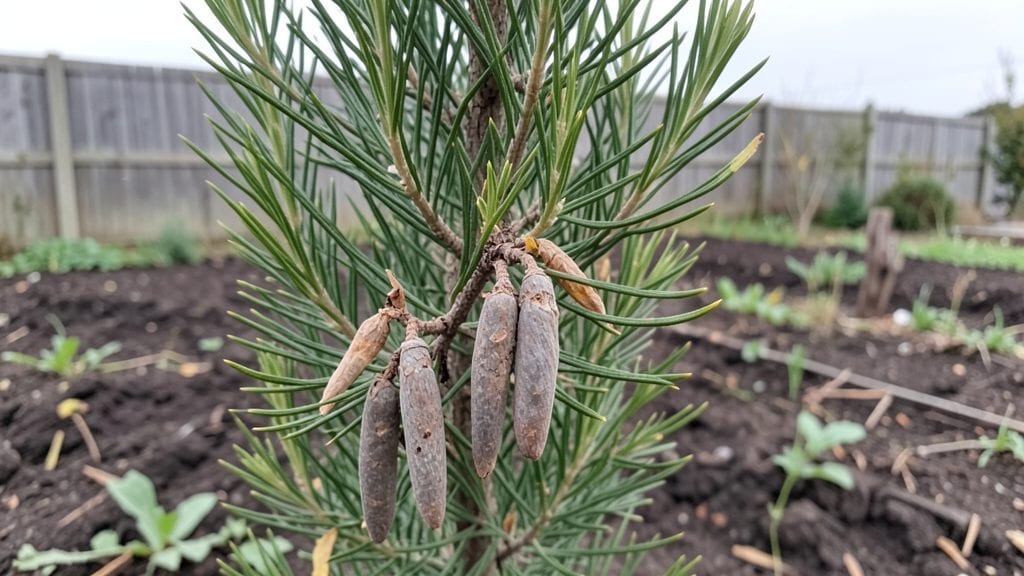
Working with cypress seed pods means unlocking a slow but satisfying way to grow your own privacy screen from scratch. 🌿 The key is patience—these seeds can take months to sprout, but once they do, you’re looking at a lush, evergreen hedge that thrives with minimal fuss.
I’ve learned the hard way that rushing the process leads to disappointment, but following the right steps turns this challenge into a rewarding project.
The first step is harvesting mature seed pods—wait until they turn from green to brown and open slightly. Extracting the seeds requires a bit of care, as they’re tiny and easy to lose.
Once you’ve got them, proper storage (cool and dry) keeps them viable for up to a year, giving you flexibility to start when conditions are ideal. Most people skip stratification, but a quick cold treatment boosts germination rates significantly.
When it’s time to plant, focus on well-draining soil and bright, indirect light—cypress seedlings hate soggy roots. With the right setup, you’ll see those first green shoots in 4-8 weeks, though some stubborn seeds take twice as long.
The payoff? A dense, fragrant hedge that grows 2-3 feet per year and blocks noise and wind like a natural wall.
This method works for both outdoor privacy screens and container-grown specimens, though outdoor plantings will grow much faster. Whether you’re starting a new landscape or filling a shady corner, cypress seed pods offer a low-maintenance way to create lasting greenery. Ready to get started?
📚 In This Guide
- What you need
- Instructions
- Tips and common mistakes
- Wrapping up and next steps
What you need
- ● Cypress seed pods: 10–20 fresh pods (harvested in late fall/winter for best viability). Ensure they’re plump and firm, not dried out.
- ● Growing medium: Peat moss or coconut coir (1–2 gallons)
- ● Perlite or vermiculite (½ cup, for drainage)
- ○ Sand (½ cup, optional for grit)
- ● Containers: Small pots (4–6 inches deep) or seed trays with drainage holes (1–2 per seed pod).
- ● Watering can or spray bottle (fine mist setting for delicate seeds).
- ● Plastic wrap or humidity dome (to retain moisture during germination).
- ● Patience! 😉 Cypress seeds can take months (or even years) to sprout—so plan ahead!
- ○ Gloves (optional but recommended—cypress seeds can be sticky!).
- ● Scissors or pruners (to open seed pods carefully).
- ○ pH testing kit (optional; ideal soil pH: 5.5–7.0 for cypress).
- ● Sunlight access: A bright, indirect spot (e.g., a sunny windowsill or greenhouse).
- ● Outdoor space: A partially shaded, well-draining area for transplanting seedlings (after 1–2 years!).
- ● Seed stratification kit (to mimic winter conditions and speed up germination).
- ● Slow-release fertilizer (like a 10-10-10 blend, sparingly after germination).
- ● Label markers (to track seed pods and planting dates).
- ● Heat mat (if germinating indoors in cooler climates).
Step-by-Step instructions for growing a cypress privacy screen
Here's my battle-tested method for coaxing cypress seeds into sturdy seedlings ready for a lush, long-lasting hedge.
🌱 Step 1: Collect and Stratify the Seed Pods
Harvest mature cypress seed pods when they turn brown and begin opening naturally in late fall. I like to gather pods from multiple trees to ensure genetic diversity. Spread the pods in a single layer on a tray and place them in the refrigerator for 90-120 days—this cold treatment mimics winter and breaks their dormancy.
Check the pods weekly during stratification. You'll know they're ready when the scales begin to loosen and seeds become visible inside. This process is critical—skipping it means waiting years for germination. I mark the start date on the fridge door so I don't forget.
💧 Step 2: Extract and Prepare the Seeds
Once stratified, carefully open the pods and remove the seeds. I use a small knife to gently pry them apart, being careful not to damage the tiny wings. Fill a shallow container with lukewarm water and add the seeds. Let them soak for 24 hours—this softens the outer coating and speeds up germination.
After soaking, drain the water and spread the seeds on a paper towel. Place them in a sealed plastic bag and refrigerate for another 7-10 days. This final cold treatment ensures maximum germination rates. You'll see the seeds plump up slightly—that's your signal they're ready for planting.
☀️ Step 3: Sow Seeds in a Controlled Environment
Fill seed trays with sterile seed-starting mix and moisten it until damp but not soggy. Plant the seeds ¼ inch deep, spacing them ½ inch apart. Cypress seeds are tiny, so I use a toothpick to create small holes and place one seed in each. Cover lightly with additional mix.
Place the trays in a warm, bright location with 70-75°F temperatures. A seedling heat mat helps maintain consistent warmth. Keep the soil consistently moist—cypress seeds need steady moisture to germinate. You'll see the first sprouts in 4-8 weeks, but don't be discouraged if it takes longer.
🌿 Step 4: Transplant Seedlings to Individual Pots
Once seedlings reach 2-3 inches tall and develop their first true leaves, transplant them to 3-inch pots filled with a mix of 50% peat moss and 50% perlite. Handle the seedlings carefully—they're delicate at this stage. I use a small spoon to lift them from the tray to avoid damaging the roots.
Place the pots in a shaded area for the first week to help them adjust. Water gently but thoroughly, ensuring the soil stays moist. After a week, gradually introduce them to morning sun and increase exposure over 2-3 weeks. You'll notice the seedlings becoming sturdier and developing a deeper green color as they acclimate.
⏰ Step 5: Prepare for Outdoors and Harden Off
When seedlings are 6-8 inches tall and show signs of new growth, it's time to harden them off. Start by placing them outside in a sheltered spot for 1-2 hours the first day. Gradually increase their outdoor time over 2 weeks, eventually leaving them out overnight.
Choose a cloudy day to transplant the hardened-off seedlings into their permanent location. Space them 3-4 feet apart for a dense privacy screen. Water deeply after planting to settle the soil around the roots. Cypress trees grow slowly, so patience is key—expect it to take 5-7 years to reach full privacy height.
Tips & tricks for perfect cypress seed germination
Patience is your secret weapon when growing cypress from seed pods—these tricks will help you navigate the slow but rewarding process without frustration.
Stratification Success: The 90-120 day cold treatment in Step 1 is non-negotiable for cypress seeds. I've learned the hard way that skipping this mimics winter's natural dormancy break—without it, germination can take years. Place a small dish of water near your tray in the fridge to maintain humidity, which prevents the pods from drying out during their long cold treatment.
Seed Extraction Technique: When opening the pods in Step 2, work gently but firmly—those tiny wings are delicate. I find using a small butter knife works better than my fingers for prying open the scales without damaging the seeds. After soaking for 24 hours, you'll notice the seeds plump up noticeably; this is your confirmation they're ready for the next cold treatment.
Environmental Consistency: Maintaining that 70-75°F range in Step 3 is crucial for germination timing. If your home runs cooler, place the seed trays on top of a refrigerator (not inside) to create a warm microclimate. A simple seedling heat mat under the trays can make all the difference in achieving that 4-8 week germination window—especially in cooler homes.
Transplanting Without Shock: In Step 4, when moving seedlings to individual pots, I've found that dipping the root ball in a slurry of water and peat moss before planting helps maintain moisture and reduces transplant shock. This simple step gives your delicate seedlings a better chance to establish themselves in their new pots without wilting.
Pro Tips for Cypress Seed Pods
- Patience is your secret weapon when growing cypress from seed pods—these tricks will help you navigate the slow but rewarding process without frustration.
- Stratification Success: The 90-120 day cold treatment in Step 1 is non-negotiable for cypress seeds.
- Seed Extraction Technique: When opening the pods in Step 2, work gently but firmly—those tiny wings are delicate.
Frequently asked questions
Got questions about cypress seed pods?
You’re not alone! Here are answers to the most common queries—from planting to troubleshooting—so you can grow a lush, private screen with confidence.
How long do cypress seed pods take to germinate?
Cypress seed pods are infamous for their slow germination—often taking 6 months to 2 years! Patience is key. Pre-soaking pods in warm water for 24 hours can speed things up slightly, but don’t rush it. Cold stratification (mimicking winter) may also help. Think of it as a marathon, not a sprint!
Can I plant cypress seed pods directly in the ground?
Unlike fussy seedlings, cypress seed pods thrive when planted directly in the soil—no nursery step required. Dig a shallow trench, scatter pods ¼ inch deep, and cover lightly with mulch. Just ensure the area gets full sun to partial shade and keep soil moist (but not soggy) until sprouts appear. Nature does the heavy lifting!
What’s the best alternative if my seed pods aren’t sprouting?
If you’re eager for faster results, consider bare-root seedlings or container-grown cypress saplings from nurseries. While they cost more upfront, they establish quickly and mimic the mature look of seed-grown trees. For a budget-friendly middle ground, try pre-stratified seed pods from specialty growers—they’ve had a head start!
Why are my cypress seed pods rotting or moldy?
Overly wet or compacted soil is the usual culprit. Ensure pods are planted in well-draining soil and avoid waterlogging. If mold appears, improve airflow by spacing pods 6–12 inches apart and reduce overhead watering. A thin layer of sand or perlite mixed into the soil can also prevent rot. Think “dry but damp,” not soggy!
How close can I plant cypress seed pods for a dense privacy screen?
For a tight, fast-growing screen, plant pods 12–18 inches apart in rows spaced 3–4 feet apart. Thinner spacing (6–10 inches) works for hedges but may require pruning as they mature. Remember, cypress trees grow 2–3 feet per year, so give them room to fill in naturally. Patience pays off with a lush, impenetrable barrier!
Wrapping up and next steps
Cypress seed pods offer a unique, low-maintenance solution for creating a lush, evergreen privacy screen that thrives even in slow-growing conditions. Their resilience, drought tolerance, and natural beauty make them a fantastic choice for homeowners looking to add both function and charm to their outdoor spaces.
Whether you're a seasoned gardener or just starting out, these pods are a fantastic investment for long-term landscaping success! 🌿
Ready to transform your yard? Start by gathering your materials, following the planting steps, and watching your cypress trees grow into a stunning, natural barrier. Check out our planting guide for a smooth start—your future privacy screen awaits! ✨