
Picking
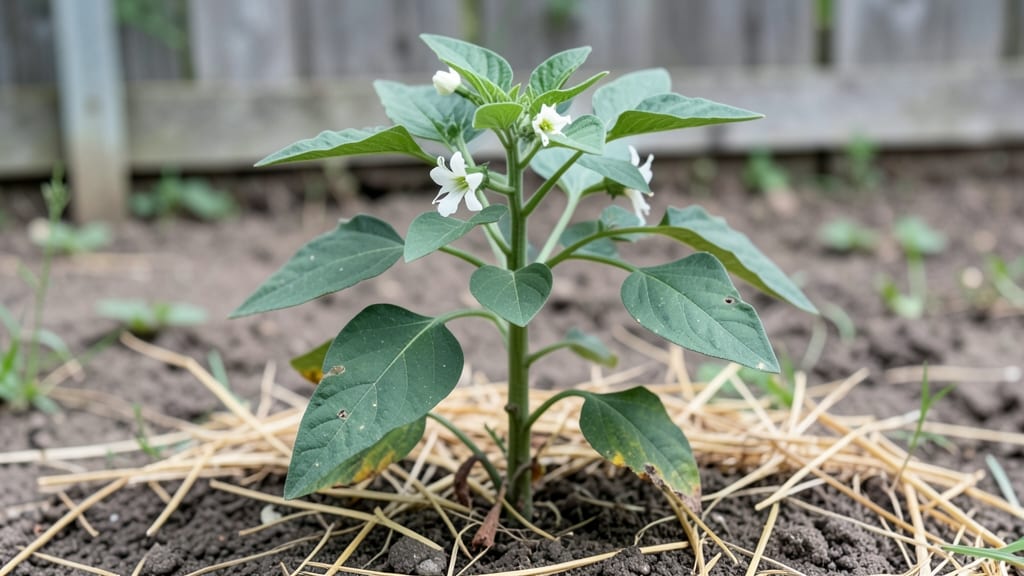
Mastering pepper seedling identification early will spare you the heartache of swapping peppers for tomatoes or eggplants in your garden. 🌱 I’ve spent years watching seedlings grow—and the biggest mistake I see is mixing them up.
The first clue? Pepper leaves are narrower and more pointed, while tomato leaves are broader with jagged edges. Sweet bell pepper seedlings also stay compact, while hot varieties like jalapeños grow faster and taller.
Here’s the game-changer: use your seed packet as a reference. Most packets include a tiny sketch of mature leaves, and comparing that to your seedlings at the 2-3 leaf stage makes identification foolproof.
Jalapeños and habaneros, for example, develop a slight purple tint on the underside of leaves, while bells stay bright green. If your seedlings look leggy or have yellowing leaves, they might be struggling—not just misidentified.
Once you’ve confirmed the type, treat them right: sweet peppers need consistent moisture, while hot varieties tolerate slight drought better. Proper identification means you’ll transplant them at the right time, giving them the care they need to thrive.
By the time they’re ready for the garden, you’ll recognize them instantly—no more guessing games.
This works for any pepper variety, from mild bananas to fiery ghost peppers. The key is paying attention to those early details. Here’s how to spot the differences before it’s too late.
Root Causes Of Misidentification
Accurately identifying pepper seedlings can be tricky, especially when they’re still small and lack distinct features. But why does this happen so often? The answer lies in a mix of biological, environmental, and human factors that can throw off even the most seasoned gardener.
Let’s break down the key reasons your pepper seedlings might be harder to identify than you expected—and how to spot the red flags (literally!).
Pepper seedlings are like shape-shifters in their early stages. Before they develop their signature traits—like leaf shape, color, or growth habit—they often resemble each other more than their mature counterparts. Here’s why:
- Leaf Shape Evolution: Young pepper seedlings typically start with broad, rounded leaves that resemble many other plants, including tomatoes or even some herbs. As they mature, their leaves develop serrations (jagged edges) or lobed structures unique to their variety. For example, a jalapeño might start with smooth leaves but later grow wavy, serrated edges, while a bell pepper could develop broader, more oval leaves.
- Color Confusion: Seedling leaves are often dark green and uniform, making it hard to distinguish between hot peppers (like habaneros) and sweet peppers (like bell peppers). The true color cues—such as purple stems in some varieties or variegation—don’t appear until the plant is 4–6 weeks old.
- Stunted Growth: If seedlings are overcrowded or under stress, they may grow slowly, delaying the emergence of identifying features. A cayenne seedling, for instance, might not show its characteristic narrow, lance-shaped leaves until it’s given proper spacing and light.
Pro Tip: 💡 Use a seedling identification chart or take weekly photos to track changes. Look for the first signs of leaf serrations, stem color, or growth pattern—these are your earliest clues!
Pepper seedlings are delicate and react strongly to their environment. When conditions are off, their true traits can be suppressed or distorted, making identification nearly impossible. Common culprits include:
| Factor | Effect on Seedlings | How to Fix It |
|---|---|---|
| Temperature Fluctuations | Cold stress (<60°F/15°C) can cause purpling of stems and leaves, while heat stress (>90°F/32°C) may lead to yellowing or stunted growth. Both can mask variety-specific traits. | Use a heat mat (65–75°F/18–24°C) and avoid drafts. Move seedlings to a consistent warm spot. |
| Light Deficiency | Leggy, pale seedlings (etiolation) grow tall and weak, delaying leaf development. Their true shape and color may not emerge until they’re several weeks older. | Provide 14–16 hours of grow lights (or a sunny south-facing window) to encourage compact, healthy growth. |
| Over/Under Watering | Too much water causes yellowing leaves and root rot, while too little leads to wrinkled, curled leaves. Both conditions can stunt development and hide identifying features. | Water when the top inch of soil is dry and ensure pots have drainage holes. |
| Nutrient Imbalances | Too much nitrogen = lush but weak growth with delayed flowering. Too little = small, discolored leaves that don’t resemble mature plants. | Use a balanced fertilizer (10-10-10) and avoid over-fertilizing until seedlings are 3–4 weeks old. |
Pro Tip: ✨ If your seedlings look unusually stressed, wait until they’ve recovered for 1–2 weeks before attempting identification. True traits often re-emerge once conditions improve!
Sometimes, the problem isn’t the seedlings—it’s the human element. Mislabeling, incorrect seed packets, or accidental cross-pollination can lead to complete identification chaos. Here’s how it happens:
- Wrong Seed Variety: If you planted seeds from an unlabeled packet or mixed up varieties (e.g., swapping jalapeño seeds for bell pepper seeds), your seedlings will naturally look nothing like what you expected.
- Cross-Pollination: Peppers are self-pollinating, but if you’re growing multiple varieties in close proximity, wind or insects can transfer pollen, leading to unpredictable hybrids with mixed traits.
- Poor Labeling Practices: If you didn’t label seedlings immediately after planting or used fading markers, you might forget which is which—especially if they all look alike at first.
- Heirloom vs. Hybrid Confusion: Heirloom peppers (like Carolina Reaper) may take longer to show true traits compared to hybrids, which are bred for consistency.
Pro Tip: 🎯 Label seedlings with toothpicks and permanent markers as soon as they sprout. Include the variety name, date planted, and expected maturity traits. For extra safety, take a photo of the seed packet before planting!
By understanding these root causes, you’ll be better equipped to spot the early signs of true pepper variety traits—and avoid costly mistakes in your garden. Next up: How to Tell Them Apart Before They Bloom!
Quick Fixes for Seedling Struggles
Got seedlings that aren’t quite what you expected? Whether your peppers are stunted, discolored, or just not thriving, these targeted solutions will help you diagnose and revive them—fast. Below, we’ve mapped common issues to their fixes, plus prevention tips to keep your seedlings happy and healthy.
Cause: Overwatering, poor drainage, or fungal diseases like damping off. Fix:
- 🔥 Pull and Reset: Gently remove seedlings from the soil and inspect the roots. If they’re mushy or black, trim away the damaged parts with sterilized scissors.
- 🍳 Repot in Fresh Mix: Transfer healthy seedlings to a well-draining potting mix (add perlite or vermiculite for aeration). Avoid crowded containers—give each seedling 2–3 inches of space.
- 👨🍳 Fungicide Boost: Dust the soil with cinnamon or apply a diluted hydrogen peroxide solution (1 part 3% H₂O₂ to 4 parts water) to prevent fungal spread.
Prevention Tips: ✨ Water wisely: Keep soil moist but not soggy—water only when the top inch feels dry. ✨ Sterilize tools: Clean scissors and pots with rubbing alcohol before reuse. ✨ Air it out: Improve airflow with a small fan on low setting (4–6 hours/day).
Cause: Insufficient light, overcrowding, or nutrient deficiencies (especially nitrogen). Fix:
- 🌡️ Light Therapy: Move seedlings to a south-facing window or under grow lights (12–16 hours/day). If using LEDs, keep them 2–4 inches above the plants.
- 🎯 Thin Out: Snip off weaker seedlings at the base to reduce competition for light and nutrients.
- 💪 Fertilize Gently: Use a balanced, water-soluble fertilizer (5-5-5 or 10-10-10) at half-strength. Avoid overfeeding—stick to every 2–3 weeks.
Prevention Tips: 💡 Start strong: Use a high-quality seed-starting mix with added compost. 💡 Space early: Sow seeds in individual pots or use seedling trays with dividers. 💡 Rotate daily: Turn pots 180° every day to prevent leaning toward light.
Cause: Phosphorus deficiency (common in fast-growing seedlings) or cold stress. Fix:
- 🔪 Phosphorus Boost: Mix a teaspoon of bone meal or rock phosphate into the soil, or use a liquid fertilizer with higher phosphorus (e.g., 5-10-5 ratio).
- 🌡️ Warmth Upgrade: Keep seedlings in a warm spot (70–80°F during the day). Use a heat mat if night temps drop below 60°F.
- 🍎 Leaf Check: If only older leaves show signs, it’s likely a nutrient issue. If new growth is also affected, consider transplant shock or root damage.
Prevention Tips: ✨ Pre-warm soil: Soak seedling trays in warm water (100°F) for 10 minutes before planting. ✨ Acclimate gradually: Harden off seedlings by exposing them to outdoor temps for 1–2 hours daily, starting at 1 week old.
Cause: Weak seedlings attract pests, especially in greenhouses or humid climates. Fix:
- 🔥 Blast Off: Spray seedlings with a strong stream of water to dislodge pests (do this in the morning).
- 🍳 Soap Solution: Mix 1 tablespoon of mild dish soap with 1 quart of water. Spray directly on pests (avoid overspray on leaves).
- 👨🍳 Neem Oil Barrier: Apply neem oil (1 tsp per quart of water + a drop of soap) every 5–7 days to deter future infestations.
Prevention Tips: 💡 Inspect new plants: Quarantine any new seedlings for 48 hours before introducing them to others. 💡 Encourage predators: Release ladybugs or lacewings if pests persist.
Cause: Excess moisture and poor ventilation (often damping off or powdery mildew). Fix:
- 🔪 Remove Contaminated Soil: Scoop out the top layer of moldy soil and replace it with fresh, dry mix.
- 🍳 Baking Soda Spray: Mix 1 teaspoon of baking soda with 1 quart of water and lightly spray the soil (not leaves).
- 👨🍳 Increase Airflow: Space seedlings farther apart or use a small fan to dry the soil faster.
Prevention Tips: ✨ Use sterile soil: Buy pre-mixed seed-starting soil or sterilize your own (bake at 200°F for 30 minutes). ✨ Pot with drainage: Ensure pots have drainage holes and use saucers to catch excess water.
Pro Tip: 🌡️ When in doubt, transplant! If seedlings are struggling in one container, move them to fresh soil. Healthy roots = happy peppers.
Frequently asked questions
How can I tell the difference between pepper seedlings and tomato seedlings at the earliest stages?
Look for leaf shape and stem texture. Pepper seedlings have narrower, pointed leaves with serrated edges, while tomato seedlings have broader, jagged leaves. Peppers also grow more upright, while tomatoes spread wider. Check the seed packet—pepper leaves often appear in sketches there for comparison.
Why do my pepper seedlings look identical even though I planted different varieties?
Young seedlings often resemble each other until they develop 4-6 true leaves. Hot peppers like jalapeños may show purple stems or undersides earlier, while sweet bell peppers stay uniformly green. Use a seedling ID chart or take weekly photos to track subtle differences in leaf shape and growth rate.
Can I still identify pepper varieties if my seedlings are leggy or stressed?
Stress can delay true traits, but focus on leaf shape and stem color. Wait 1-2 weeks after improving conditions (light, warmth, water) before re-evaluating. Leggy seedlings may need grow lights (14-16 hours/day) to show their natural form. Never transplant stressed seedlings—they won’t recover properly.
What's the best way to label seedlings to avoid mix-ups later?
Use toothpicks + permanent markers right after germination. Include the variety name, planting date, and expected traits (e.g., "jalapeño - purple stems"). Take photos of seed packets before planting as backup. For extra organization, color-code labels by pepper type (green for sweet, red for hot).
How do I know when my pepper seedlings are ready to transplant?
Seedlings are ready when they have 3-4 true leaves, are 3-4 inches tall, and have developed strong stems. Harden them off first by placing outside for 2-3 hours daily for 7-10 days. Transplant on a warm, cloudy day to reduce shock. Avoid transplanting if night temps drop below 55°F—peppers are frost-sensitive.