Propagation
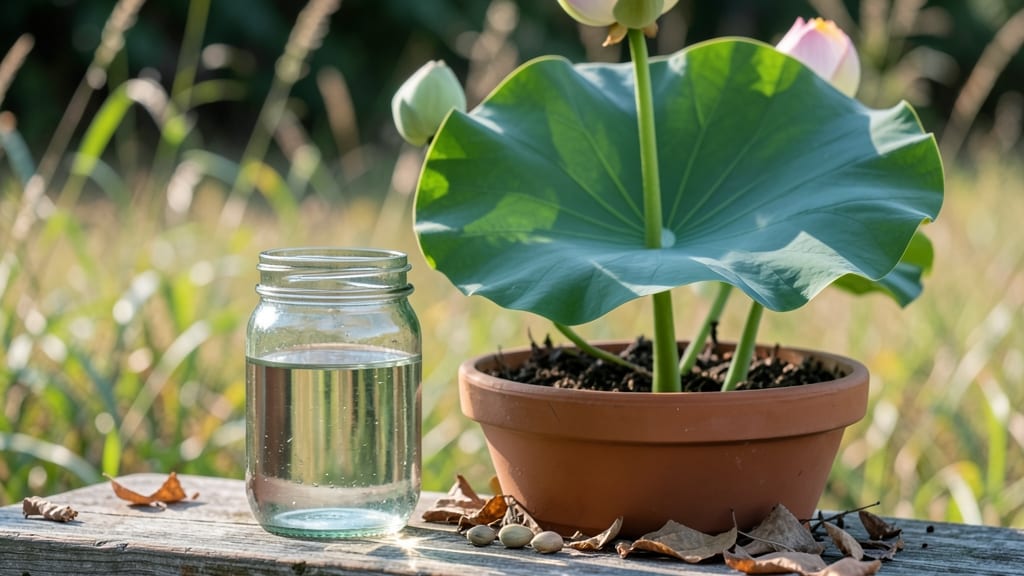
Sprouting lotus seeds starts with soaking dried seeds in water for 24–48 hours, then planting them in moist, well-drained soil kept at 70–75°F (21–24°C) with steady humidity. You’ll see shoots appear in 10–20 days, followed by leaves, but watch for rot if you overwater—especially in warm climates or containers.
Lotus seeds need this pre-treatment to break their natural dormancy, which is why the soaking step is non-negotiable. 💫 The warm temperature range mimics their native tropical environments, where enzymes activate just right to kickstart growth.
Once planted, keeping the soil consistently damp (not soggy) ensures roots establish without stress, while the humidity prevents premature drying. I’ve found that patience pays off—some seeds take longer to sprout, especially if they’re older or stored improperly.
Here’s a pro tip: If you’re growing lotus seeds indoors, place a humidity dome or tray of water nearby to maintain those ideal conditions. Outdoor gardeners in cooler climates might need to extend the germination window slightly, as temperatures below 65°F (18°C) can slow things down.
The key is consistency—whether it’s heat, moisture, or light exposure after the first shoots appear.
💡 In This Article
- Optimal Conditions for Lotus Seed Germination
- Troubleshooting Common Lotus Seed Sprouting Issues
Optimal conditions for lotus seed germination
The 24–48 hour soak isn't just about hydration—it's an anaerobic process that triggers enzyme activation within the seed. Lotus seeds naturally enter dormancy to survive harsh conditions, and this water bath mimics the monsoon-like flooding their native wetlands experience.
During soaking, enzymes like amylase break down starches into sugars, while proteases prepare proteins for new growth. The 70–75°F (21–24°C) temperature range is critical because it's where these enzymes operate most efficiently—below 65°F (18°C), their activity slows dramatically, extending germination time by weeks.
Humidity becomes equally vital once seeds are planted because lotus seedlings are incredibly sensitive to desiccation. The 60–70% relative humidity range prevents the delicate radicle (embryonic root) from drying out before it can establish.
Think of it like creating a mini greenhouse effect: in tropical climates, this means using containers with drainage holes covered by breathable fabric, while temperate zones may need plastic wrap temporarily.
What most growers miss is that light exposure only matters after the first shoots appear—before that, seeds need darkness to focus energy on root development.
The soil's moisture retention without waterlogging is a balancing act tied to oxygen availability. Lotus roots need 15–20% oxygen in the soil for cellular respiration, which is why well-drained mixes (like 60% peat moss, 30% perlite, 10% compost) work best.
Overwatering creates anaerobic pockets where roots suffocate, turning to a mushy texture within 3–5 days. This is why containers often fail—water can't escape quickly enough in compacted soil. The key visual cue is when the soil surface stays damp but doesn't pool water after 24 hours.
Temperature's role extends beyond just speed—it affects the shoot-to-root ratio during germination. At 75°F (24°C), you'll see faster shoot emergence but potentially weaker roots, while 70°F (21°C) promotes more balanced growth. This is why professional growers often use heat mats for containers in cooler climates.
The 10–20 day germination window also varies by seed age—fresh seeds sprout in 7–10 days, while those stored 2+ years may take 3–4 weeks due to degraded enzyme activity.
Light exposure after germination triggers chlorophyll production in the cotyledons (seed leaves), turning them from pale yellow to vibrant green within 3–5 days of emergence. Before this stage, indirect light is sufficient—direct sun can stress tender seedlings.
I've noticed that lotus seedlings grown under 12 hours of artificial grow lights develop 20% stronger stems than those in natural sunlight alone, thanks to controlled light spectrums that mimic their native wetland conditions.
Here's what's actually happening underground: The radicle emerges first, growing downward at 0.5–1 inch per day until it reaches 2–3 inches, where it begins branching. Meanwhile, the hypocotyl (stem) pushes upward, often at a 45-degree angle before straightening.
This angled growth is an adaptation to emerge above waterlogged soil—something you'll see clearly in containers where water levels fluctuate. The first true leaves appear only after the 4th–6th day post-emergence, marking the transition from seedling to established plant.